
Have you ever felt that twinge of vulnerability while scrolling through your social media feed? I know I have. Digital rights aren’t just buzzwords; they’re crucial to our online experiences. As we dive into the world of open-source tools, we’ll explore how they give the power to us to protect our privacy, foster innovation, and build community. From encryption to anonymity tools, let’s uncover the powerful resources at our fingertips and what the future holds for our digital freedoms.
Definition and Importance
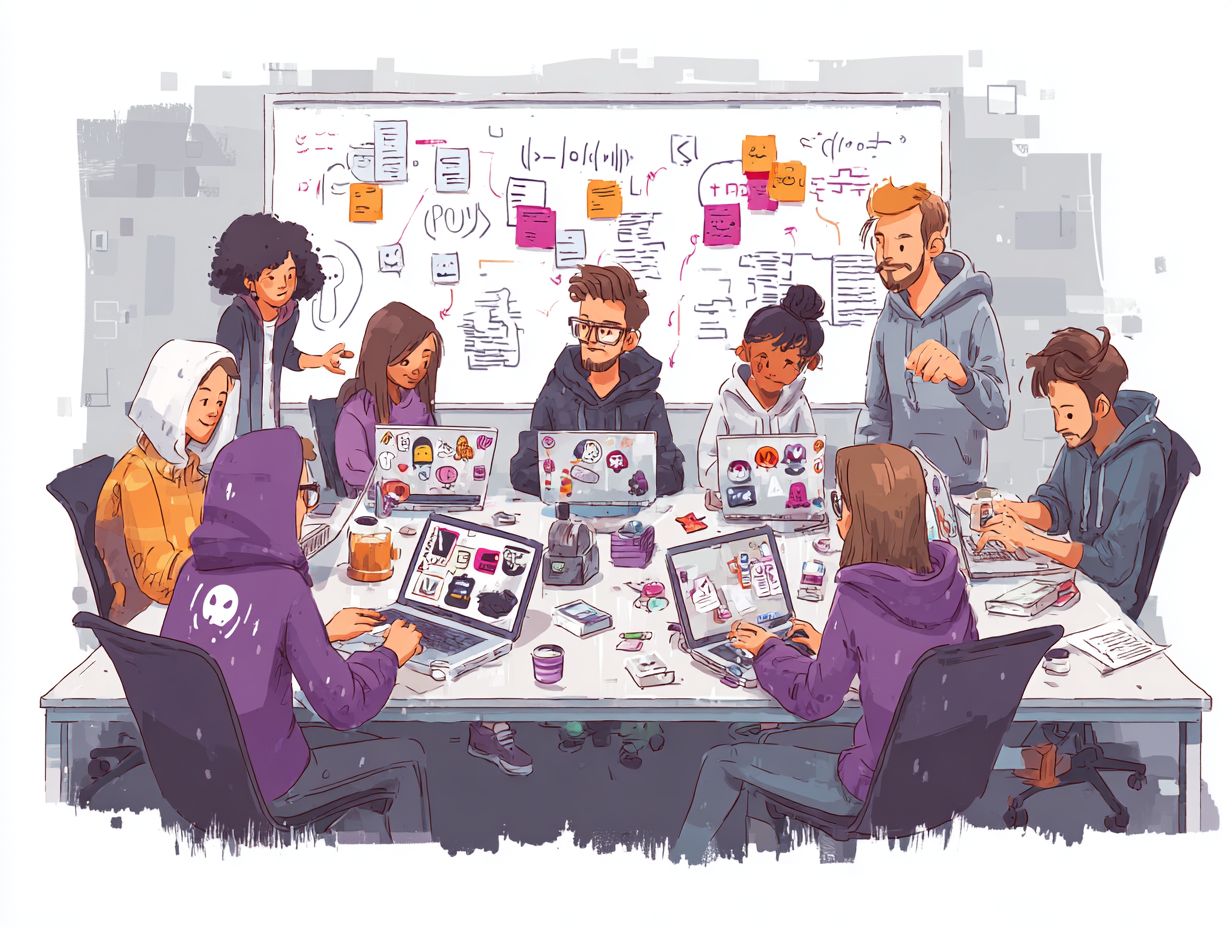
Digital rights are all about giving me the freedom to access, use, create, and share digital content in a safe and secure way. I really appreciate specific rights like data ownership, which means I get to control my personal information, and freedom of expression, which lets me voice my opinions without worrying about being censored.
These rights are super important when it comes to fighting back against digital surveillance because they give the power to me to resist intrusive monitoring. For instance, I like using privacy tools like VPNs or encrypted messaging apps like Signal to keep my communications secure.
Staying aware of my rights helps me advocate for stronger protections, contributing to a digital world that’s open and allows creativity and expression to flourish.
Current Landscape of Digital Rights
As of 2023, I’ve noticed that the landscape of digital rights is changing quickly, shaped by global movements and new laws focused on boosting user privacy and data security. For instance, the General Data Protection Regulation (GDPR) in Europe lays down some pretty strict rules on how data can be collected and how companies need to get user consent, which definitely affects how businesses operate around the world.
Simultaneously, there are movements out there pushing for digital literacy, really highlighting how important it is to understand these rights. I like using tools like Privacy Badger or DuckDuckGo-they help me keep my online presence safe.
Plus, organizations like the Electronic Frontier Foundation (EFF) offer great resources to help me stay informed about these changing rights. This way, I can navigate the digital world with a bit more confidence and knowledge.
Understanding Open-Source Tools
Open-source tools are pretty cool because they’re software solutions where the source code is open for anyone to see, promoting transparency and software freedom.
This really encourages a collaborative vibe in software development and gives users a sense of user autonomy and community development.
What are Open-Source Tools?
Open-source tools really give me the freedom to inspect, modify, and enhance software, which leads to some pretty robust applications that put user autonomy, user empowerment, and community input front and center.
Take GIMP, for example. It’s a powerful image editing program that goes head-to-head with proprietary software like Photoshop. I can customize its features, add plugins, or even work with others to improve it, fostering open-source contributions and ethical technology.
Then there’s Audacity, which I often use for audio editing, especially when I’m working on podcasts or music production. Its open-source nature really encourages me to share tips and tweaks, creating a supportive community around it.
By using these tools, I not only save some bucks but also get to contribute to ethical software development. It feels great to promote transparency and collective growth in the tech world.
Benefits of Open-Source Software
Using open-source software has really opened up a world of advantages for me, from better security to cost savings and a strong sense of community and collaboration.
One of the biggest perks is the often negligible cost-many open-source solutions are completely free! Take tools like GIMP for graphic design and WordPress for website management, which save me from those hefty licensing fees.
I love the community support that comes with these platforms. For instance, the forums for Linux users are packed with helpful folks ready to assist newcomers with troubleshooting.
Plus, software like Moodle is super adaptable; it allows educational institutions to customize their learning environments just the way they want, tailoring features to meet specific student needs without being tied down by proprietary systems.
Key Open-Source Tools for Digital Rights Protection
I’ve come across several key open-source tools that are specifically designed to boost digital rights protection, especially when it comes to encryption and keeping user anonymity intact.
Encryption Tools

I find that tools like VeraCrypt and Cryptomator are great for keeping sensitive data secure from prying eyes. If I want to dive into VeraCrypt, I just head over to its official website to download the software. Once I install it, the wizard guides me through creating a new volume.
I get to pick the encryption algorithm and set a strong password-mixing letters, numbers, and symbols is my go-to move. After I’ve got everything configured, I can mount this encrypted volume just like any regular drive, which is super handy.
Now, while VeraCrypt is solid on security, I have to admit it can be a bit tricky to learn. On the flip side, Cryptomator is much more user-friendly, which makes it perfect for syncing files with cloud services like Dropbox. It might not have all the advanced features of VeraCrypt, but it gets the job done without making my head spin.
Anonymity Tools
I find that anonymity tools like Tor and VPNs such as ProtonVPN are great for keeping my online privacy intact, helping to shield my identity from prying eyes and surveillance.
Setting up Tor is pretty straightforward. I just download the Tor Browser from the official site, install it, and then launch it. Once it’s up and running, it connects me to the Tor network and anonymizes my web activity.
As for ProtonVPN, it’s just as easy. I sign up for an account on their website, download the app, and after installation, I log in and pick a server. This way, my internet traffic gets encrypted, which really helps with my privacy.
Using these tools together significantly lowers the chances of being tracked and having my data collected, as they encrypt my connections and mask my IP address.
Case Studies of Open-Source Tools in Action
When I take a look at how open-source tools are being used in the real world, I see a mix of successes and challenges in protecting digital rights and promoting privacy protection.
It’s interesting to dive into the stories behind these tools and figure out what works well and where things can get tricky.
Success Stories
I love hearing about success stories that show how organizations like the Electronic Frontier Foundation (EFF) have made the most of open-source tools to fight for digital rights, privacy, and internet freedom.
For example, the EFF used the open-source platform SecureDrop to create a secure line of communication between whistleblowers and journalists. This not only boosted user privacy but also helped bring transparency to reporting on sensitive issues.
In a similar vein, the Tor Project is all about championing internet anonymity with its browser, allowing users to surf the web without worrying about being watched.
These tools really highlight how open-source solutions can give the power to communities to protect their digital rights while encouraging collaboration on important advocacy projects.
Challenges Faced
Even though open-source tools come with some great perks, I’ve noticed that they do present a few challenges. Things like technical complexity, limited support, and the need to really engage with the community for collaborative development can make them tricky to navigate.
To tackle these issues, I’ve found a few steps that really help.
- First off, getting involved in forums like GitHub can lead to some amazing insights and quick fixes.
- I also love checking out online tutorials or YouTube videos; they really simplify those complex processes.
- In terms of technical support, tools like Mautic are fantastic because they have an active user base and plenty of documentation.
- Plus, attending local meetups has been a game-changer for me, connecting me with experienced users who share valuable tips and best practices.
Taking these actions has made using open-source tools so much easier and more enjoyable for me.
The Role of Community in Open-Source Projects
I really believe that the community is essential for developing and sustaining open-source projects.
It’s amazing how much innovation and support comes from people coming together to contribute and share their ideas.
Collaboration and Innovation

Collaboration in the open-source community really sparks innovation and supports open access. I love how diverse contributors bring their unique perspectives and skills to the table on projects. A great example of this is the Mozilla Firefox project, where developers, designers, and users come together to co-create features based on everyone’s feedback.
I find tools like GitHub super helpful for this kind of collaboration. They allow anyone, no matter where they are, to pitch in continually. Another fantastic success story is the Linux operating system, which thrives on input from developers across various sectors, each addressing different needs.
What I really appreciate is how these projects actively encourage suggestions through forums and issue trackers. It’s not just about improving their tools; they’re also building strong communities that fuel ongoing innovation.
Community Support and Advocacy
Community support really plays a crucial role in the success of open-source initiatives. It provides me and other users with valuable resources, knowledge, and a strong voice for digital rights and advocacy for online rights.
I’ve found that there are plenty of ways to cultivate this support through digital activism. For example, forums like Reddit or Stack Overflow are great places to ask questions and share solutions, creating a collaborative vibe with collaborative tools.
Then there are chat groups on platforms like Discord or Slack, where I can interact in real time, troubleshoot issues, and learn from others, enhancing my digital citizenship.
Plus, advocacy groups like the Electronic Frontier Foundation (EFF) are doing amazing work to champion digital rights, raising awareness of civil liberties and encouraging community participation. Getting involved in these networks not only boosts my own knowledge but also helps strengthen the overall project through our combined efforts.
Future Trends in Open-Source and Digital Rights Management
As technology keeps moving forward, I can see that the landscape of digital rights will keep evolving with tech democratization, bringing along both exciting opportunities and some challenges for open-source initiatives.
Emerging Technologies and Algorithm Transparency
Emerging technologies like blockchain technology and AI are really changing the game when it comes to digital rights, and I find that pretty exciting. They’re offering up some fresh solutions for privacy protection, data sovereignty, and data ownership.
For example, blockchain’s decentralized systems nature means I can use secure digital contracts that prevent any unauthorized changes, which is a big win for intellectual property rights. I came across companies like Po.et that leverage blockchain to timestamp content, helping to prove ownership and stop plagiarism in its tracks.
On top of that, AI algorithms are pretty impressive-they can analyze user behavior and catch data misuse in real-time, like with tools such as Privacore, enhancing surveillance resistance.
By using these technologies, I can feel more in control of my data, and it helps ensure that I’m complying with privacy regulations and information privacy, all while creating a safer digital space.
Potential Challenges Ahead in Tech Equity
The future of digital rights definitely has its share of challenges, like navigating regulatory hurdles, dealing with evolving privacy threats, and the pressing need for rights awareness among users. To tackle these issues effectively, I believe advocates can take some meaningful steps.
First off, engaging in proactive policy advocacy by teaming up with organizations like the Electronic Frontier Foundation can really amplify their voice in those important regulatory discussions and enhance technology advocacy.
Then, there are digital tools-using things like VPNs and encryption software services is a smart way to keep personal data safe from privacy threats and enhance internet privacy.
Finally, creating educational campaigns that inform people about their digital rights and cybersecurity practices, including digital literacy education, can help foster a more informed public.
By combining these strategies, we can give the power to citizens and boost privacy protection, data ethics, and security tools in this ever-complex digital world.
Frequently Asked Questions on Digital Commons
What are open-source tools and how do they relate to protecting digital rights and enabling equitable access?

Open-source tools are software programs that are developed and distributed with their source code made available for others to use, modify, and distribute, under open-source licenses. These tools can be used to help protect digital rights by providing open and transparent solutions for digital security, privacy by design, and privacy.
What are the advantages of using open-source tools for protecting digital rights and fostering social justice?
There are several advantages to using open-source tools for protecting digital rights. These tools are constantly being improved and updated by open-source communities and developers, making them more secure and reliable. They also allow for customization and can be tailored to specific needs, ensuring code transparency and their code is openly available for auditing to ensure transparency and trustworthiness.
How can open-source tools be used to protect against government surveillance and support anti-surveillance tools?
Open-source tools can be used to encrypt and protect online communications, making it more difficult for government surveillance to access sensitive information, enhancing information rights. They can also help to identify and remove any potential backdoors or vulnerabilities in electronic devices and software that could be exploited for surveillance purposes, promoting user trust.
Can open-source tools be used to protect against censorship, enhance anti-censorship measures, and online restrictions?
Yes, open-source tools can be used to circumvent censorship and online restrictions by providing alternative communication channels or utilizing techniques such as virtual private networks (VPNs) and proxy servers, supporting censorship resistance. These tools allow individuals to access and share information freely and privately, without fear of censorship or restrictions, enhancing access to information.
What role do open-source tools play in protecting digital rights in the workplace and tech for good?
Open-source tools can help protect the digital rights of employees in the workplace by providing secure communication and file sharing options, protecting against unauthorized access to company data, and allowing for anonymity and privacy in online activities, enhancing decentralized systems. These tools can also be used to protect against workplace surveillance and invasive tracking of employee activities, promoting technological sovereignty.
Are there any potential drawbacks to using open-source tools for protecting digital rights and ensuring ethical data use?
While open-source tools have many benefits, there are also potential drawbacks to consider in software audits. These tools may require a higher level of technical knowledge to use and may not always have the same level of support as commercially available software, impacting digital resilience. Additionally, there may be compatibility issues with different systems and devices, and some open-source tools may not be as user-friendly as their commercial counterparts, affecting inclusive technology.
Want to keep exploring the fight for free expression and digital rights? Visit the BertrandPancher.com home page for more in-depth articles, fresh perspectives, and resources on protecting free speech in the modern world.