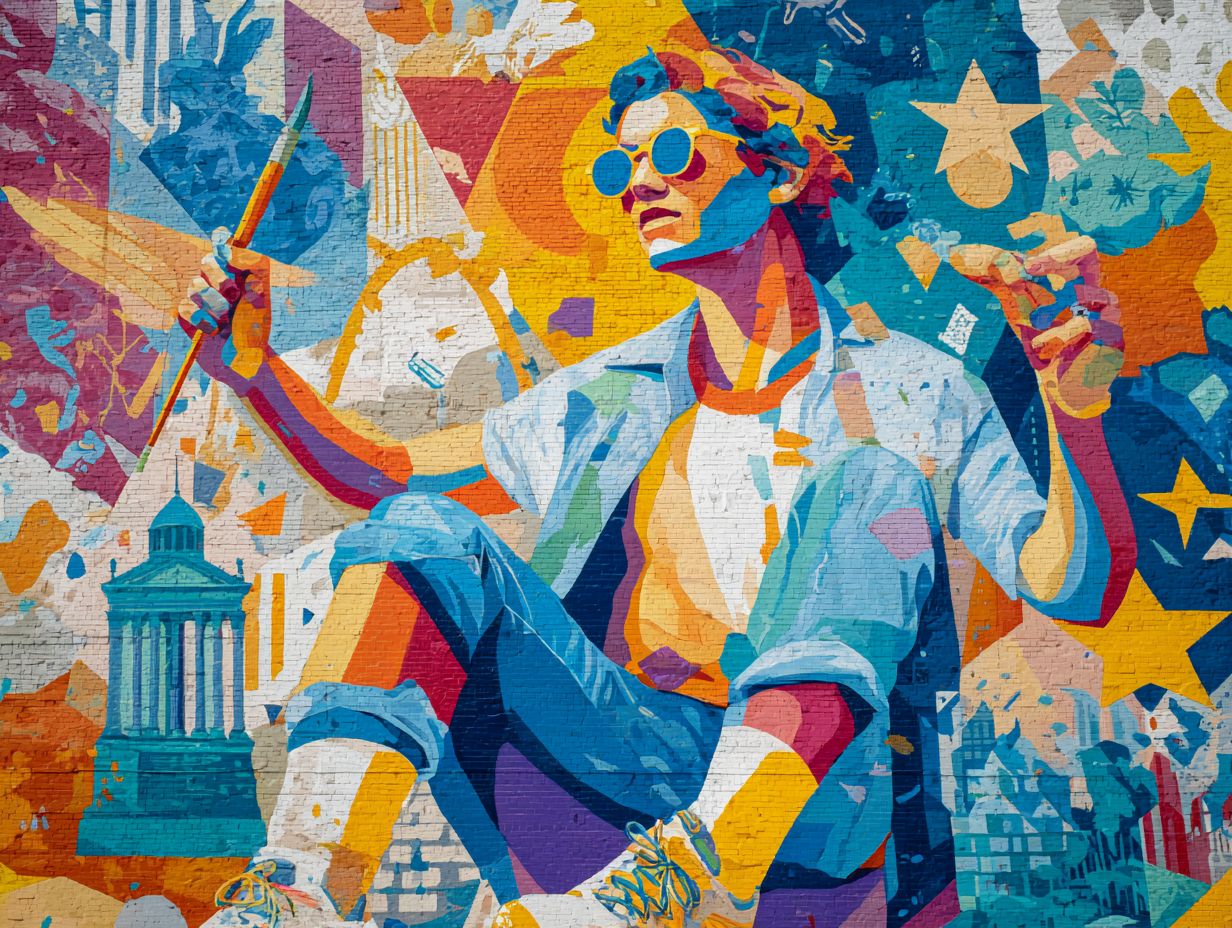
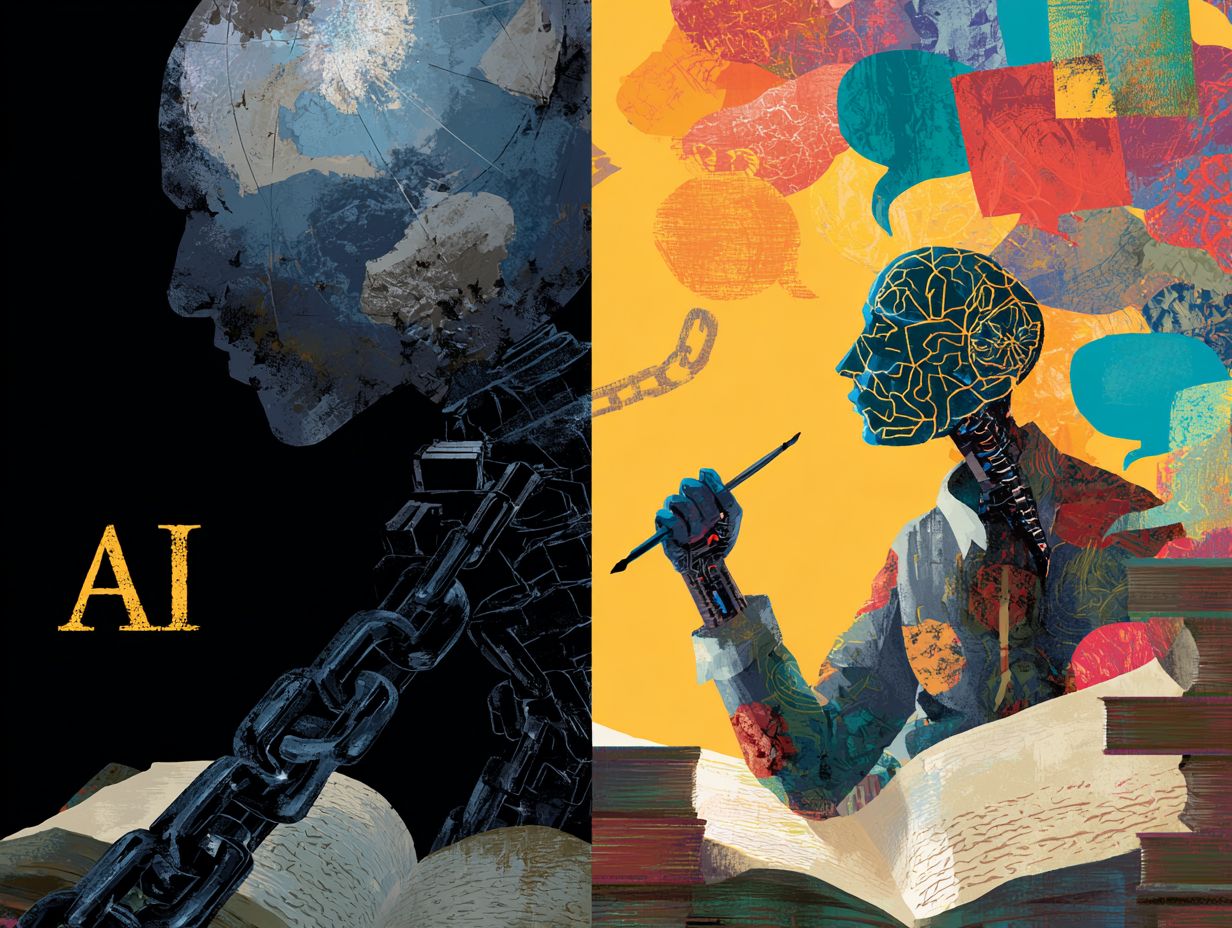
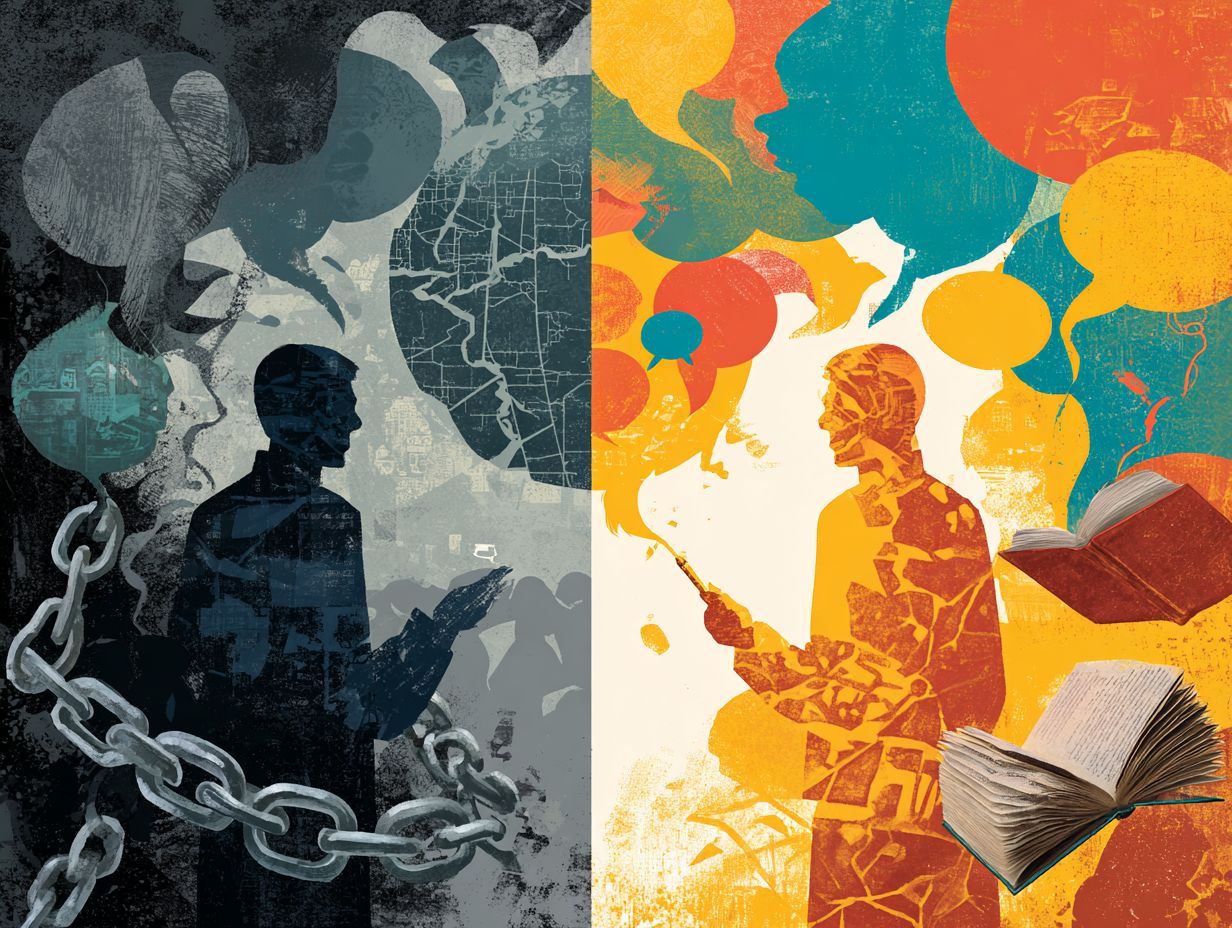
Why Digital Freedom Matters for Every Creator — From Cannabis Advocates to Thick Asian Models Building a Voice Online

creator rights

In every corner of the internet, people are fighting the same uphill battle: the right to exist, express, create, and earn without being crushed by outdated rules or gatekeeping powers. It doesn’t matter whether you’re a medical cannabis patient sharing your story or a digital creator building a loyal following — the struggle for freedom looks surprisingly similar.

That’s because the industries may differ,
but the obstacles come from the same place:
old systems trying to control new voices.

Creators Are the New “Little Guys”

Today’s online creators — especially women, creators of color, and niche communities — face a constant wave of visibility challenges:

For many creators, especially independent models carving out a space online, visibility isn’t just a metric — it’s survival.

That’s exactly why platforms like AsianThickies.com matter. They give underrepresented creators a place to shine, grow, and earn without being drowned out by massive platforms that favor the already famous.

AsianThickies.com highlights and uplifts thick Asian creators — a group often punished by both social media “body standards” and outdated cultural stigma. It’s a reminder that every creator deserves a fair shot, regardless of size, style, background, or algorithmic favoritism.

When We Talk About Freedom, We’re Talking About All of Us

Cannabis advocates want something simple: the right to access plant-based wellness without fear, judgment, or criminalization.

Creators want something equally straightforward: the right to build a livelihood without censorship or arbitrary rules.

Both groups are fighting different versions of the same fight — one that centers on:

  • Autonomy
  • Self-expression
  • Economic opportunity
  • Personal choice

These freedoms shouldn’t have exceptions, loopholes, or secret penalties. They’re supposed to belong to everyone.

Digital Rights ARE Civil Rights

The more our lives move online, the more urgent it becomes to protect the people who rely on digital platforms to earn a living.

When creators are deplatformed without explanation…
When cannabis educators are flagged for “dangerous content”…
When independent voices lose visibility because they don’t match brand-safe templates…

That’s not safety.
That’s censorship dressed up as convenience.

And when certain bodies, cultures, or industries get hit disproportionately — like thick Asian creators navigating beauty biases and cultural stereotypes — it becomes a civil rights issue.

Why Platforms Like AsianThickies.com Matter in This Fight

Asian Thickies.com isn’t just a directory — it’s a statement.

It says:

“You deserve visibility.”
“You deserve an audience.”
“You deserve ownership of your work.”
“You deserve freedom.”

By giving creators a place to shine without censorship or judgment, platforms like AsianThickies become part of the broader civil liberties movement. They amplify voices that big systems often overlook — and they do it without apology.

Freedom Doesn’t Come From Corporations — It Comes From Community

The truth is, real internet freedom won’t come from social platforms, regulators, or tech giants. It comes from people supporting each other, building their own spaces, and refusing to disappear.

That’s what BertrandPancher.com fights for.
And that’s what AsianThickies.com embodies every day — creators stepping into the light, owning their brand, and refusing to be minimized.


If You Believe in Freedom, Support the Creators Who Live It

If you want to see what real creator freedom looks like, explore the community at AsianThickies.com, where thick Asian models and creators finally get the visibility and respect they deserve.

Together, we fight for cannabis patients, creators, and every “little guy” who refuses to be silenced.

This is what freedom looks like — one unheard voice becoming impossible to ignore.

Understanding Privacy, Encryption & Anonymity Rights Today

Understanding Privacy, Encryption & Anonymity Rights Today

Ever felt that twinge of anxiety when sharing thoughts online, fearing online harassment and censorship? I sure have. Privacy and the right to speak anonymously aren’t just tech buzzwords; they’re vital in safeguarding our freedom of expression and preserving our digital rights. In this piece, we’ll dive into the intricacies of encryption and how it acts as our digital privacy shield, explore legal frameworks supporting anonymity, and confront the mounting challenges posed by surveillance and data collection. Join me as we uncover the layers of this essential conversation!

Importance of Privacy in the Digital Age

Importance of Privacy in the Digital Age

For me, privacy isn’t just a nice-to-have; it’s a crucial part of my personal autonomy and freedom. I mean, according to a Pew Research survey, 79% of Americans share this concern about online privacy. And who can blame us? Events like the Cambridge Analytica scandal, where millions of Facebook users had their data snatched up without their consent for political ad targeting, really highlight why we should be worried about data ownership and user consent.

These incidents have sparked a lot of conversations about how data collection can invade our autonomy and threaten our communication privacy. So, I’ve decided to take matters into my own hands and be proactive about protecting my privacy using privacy-enhancing technologies.

I use VPN services like NordVPN, opt for privacy-centric browsers like Brave, and engage in privacy by design practices by checking app permissions.

By doing these things, I can seriously boost my personal data security. Plus, engaging with these tools not only keeps my privacy intact but also helps push for greater transparency in how data is handled.

Overview of Anonymity Rights

I really believe that anonymity rights are crucial because they protect us from unnecessary scrutiny and are fundamental to preserving our communication rights. They give the power to free speech and give whistleblowers the chance to expose wrongdoings without the constant worry of retaliation, ensuring whistleblower protection.

I’ve found tools like Tor and VPNs to be game changers for user privacy. They mask IP addresses and make secure communication a breeze. Just think about it-whistleblowers using Tor can share sensitive information with journalists completely anonymously, protecting their online identity and ensuring anonymity protection. Look at Edward Snowden, for instance; he relied on secure channels to reveal those NSA surveillance practices.

And then there are platforms like Signal, which offer end-to-end encryption, keeping our conversations private and away from prying eyes of authorities. These technologies don’t just protect our personal privacy; they also help create a more transparent society by allowing people to speak out against injustices without fearing any fallout, supporting the right to dissent.

Understanding Encryption

I see encryption as a key technology for keeping my data safe and ensuring secure data transmission. It transforms readable information into a coded format, making it much harder for anyone without permission to access it.

What is Encryption?

Encryption is all about encoding information so that only the people who are supposed to see it can access it, safeguarding information privacy. I use algorithms to secure data whether it’s sitting still or zooming around online.

In terms of common encryption methods, I often hear about AES-256, RSA, and Blowfish.

AES-256 is my go-to for securing sensitive data, like when I’m dealing with online banking or storing important files. It’s strong and efficient, which is just what I need.

Then there’s RSA, which I usually rely on for secure data transmission, especially when it comes to SSL certificates for websites. And let’s not forget Blowfish-it’s quicker than the other two, making it a solid choice for applications that need speed but can live with a bit less security.

Each method has its own purpose, so picking the right encryption is crucial for keeping everything adequately protected and ensuring data sovereignty.

Types of Encryption Technologies

There are two main types of encryption technologies that I think are worth knowing about: symmetric encryption and asymmetric encryption.

Symmetric encryption uses a single key for both encrypting and decrypting data. A great example of this is AES, which is super efficient for quickly encrypting large amounts of data. It’s perfect for things like securing files on my hard drive or encrypting data as it zips through networks.

However, it does have a bit of a drawback when it comes to key distribution since that same key needs to be shared securely between parties.

On the flip side, there’s asymmetric encryption, like RSA, which is commonly used for secure communications, such as SSL certificates in web browsers. This method is better for secure key exchanges since it doesn’t require a shared secret, but it’s slower and not the best choice for encrypting large volumes of data.

Knowing the differences between these two helps me pick the right method for whatever application I’m working on.

The Role of Encryption in Privacy

I find that encryption not only keeps my personal data safe but also helps build trust between me and the services I use.

It makes sure that my sensitive information stays confidential and out of the wrong hands.

How Encryption Protects Data

How Encryption Protects Data

I always think of encryption as my secret weapon for protecting data and maintaining privacy safeguards. It makes information unreadable to anyone who doesn’t have the right key, which is a fantastic way to keep sensitive details safe from cyber threats.

This is especially important when it comes to online transactions and communications, and I often use protocols like TLS (Transport Layer Security) and SSL (Secure Socket Layer) to make sure I’m covered.

Take the Equifax data breach in 2017, for example. It affected 147 million users, and a big part of the problem was their lack of solid encryption practices. On the flip side, companies like Google use end-to-end encryption, which really helps them cut down on risks like that.

To boost my security, I make it a point to implement TLS on my website, regularly update my certificates, and educate my team about how crucial encryption is for safeguarding sensitive information and promoting cyber resilience. It’s all about staying one step ahead!

Encryption and User Trust

I came across a survey by Cybersecurity Insiders that revealed a pretty impressive statistic: 92% of IT professionals believe that encryption really boosts trust in online platforms. It makes sense, right? When strong encryption practices are in place, they help protect sensitive data during transmission and storage.

Take Signal, for example. It’s a messaging app known for its end-to-end encryption, and it’s seen a whopping 400% increase in user downloads over the past year. I think this surge is largely due to their dedication to privacy, which is backed by transparent encryption methods.

For organizations looking to enhance security, they can use encryption tools like TLS for data traveling across networks and AES for data that’s stored away, ensuring secure file sharing. Not only do these measures help meet regulatory requirements, but they also give users peace of mind that their information is safe.

Ultimately, this creates a trustworthy online environment that everyone can feel good about.

Legal Frameworks Supporting Anonymity

I’ve noticed that legal frameworks around the world are working hard to protect anonymity and privacy rights, ensuring privacy regulations are upheld. It’s pretty clear that there’s a growing recognition of how important these principles are to democracy.

International Laws on Privacy Rights

The General Data Protection Regulation (GDPR) really steps up the game when it comes to protecting users in the EU. It boosts privacy rights and sets a high bar for global standards.

With GDPR, I have much more control over my personal data, ensuring data control and user rights. I get rights like access to my data, the ability to correct it, erase it, and even move it around if I want to. For instance, if I want to know how my data is being used, I can just ask, and I should get the details within a month.

On the flip side, there’s the California Consumer Privacy Act (CCPA), which also tightens up privacy rights but doesn’t have the same strict consent rules that GDPR does.

And then there’s Brazil’s LGPD, which shares some principles with GDPR but throws in some local twists that businesses need to consider, especially if they’re operating in multiple regions.

Case Studies of Anonymity in Legal Contexts

Notable cases, like the legal battles surrounding WikiLeaks, really highlight how complicated anonymity can get in our digital world and the legal protections that exist for whistleblowers.

For example, the court’s decisions in cases like Doe v. Gonzales confirmed that people have the right to stay anonymous when they report wrongdoing. This case really drove home the importance of having strong legal frameworks to keep whistleblower identities safe.

I find that tools such as secure communication platforms like Signal or ProtonMail are absolutely essential for safe information sharing.

Organizations should definitely create policies that not only encourage reporting but also make sure anonymity is guaranteed, aligning with privacy policies. This way, whistleblowers can feel secure and protected in their environment. Implementing these strategies can really strengthen the legal protections for anonymity rights.

Challenges to Privacy and Anonymity

Even with all the frameworks we have, I see that privacy and anonymity still face some serious challenges from different groups out there, like governments and corporations, highlighting the need for censorship resistance.

Government Surveillance and Its Implications

Government Surveillance and Its Implications

I can’t help but feel uneasy about government surveillance, especially with programs like PRISM out there, affecting our right to remain silent. It really puts individual privacy at serious risk and often leads to people self-censoring their thoughts and actions.

A 2021 Pew Research study showed that a whopping 81% of Americans are worried about the government tracking their personal info, highlighting concerns over online security and digital surveillance. Honestly, it’s hard not to feel that way when it seems like our online activities are under constant surveillance, raising important issues regarding privacy laws and governmental oversight. It’s no surprise that many of us change our behavior online because of it.

To combat these risks, I’ve started using encryption tools like Signal for private messaging and VPNs like NordVPN to keep my internet activity under wraps, ensuring secure access to my data. Plus, I’ve found that diving into educational resources about digital privacy and digital literacy really empowers me to take charge of my online presence and make smarter choices about my data.

Corporate Data Collection Practices

I’ve noticed that corporations tend to collect massive amounts of data, which sparks some serious debates about user consent, data minimization, and ownership. Just look at companies like Facebook and Google-they’ve been at the center of this discussion.

All this data collection hasn’t come without its problems, either, especially considering data breaches and third-party tracking. Take the Equifax breach in 2017, for instance, where sensitive information from 147 million people got exposed. Yikes, right?

Given these incidents, companies are starting to take a hard look at their privacy policies. Facebook, for example, has revised its data-sharing practices and rolled out stricter user controls. It’s about time, if you ask me, that we consider ethical hacking and the importance of internet privacy.

On a broader scale, with the introduction of GDPR guidelines, companies now have to show explicit user consent before they can collect data. This shift is definitely a win for user rights and corporate accountability. These changes really highlight how important it is to have stronger regulations in place to protect consumer privacy.

Future of Privacy and Anonymity: The Role of Cyber Security

As technology keeps evolving, I can’t help but think that the future of privacy and anonymity will hinge on the new technologies that come out and the advocacy that surrounds them.

It’s fascinating to watch how these developments shape our lives and how we protect our personal information.

Emerging Technologies and Their Impact

I find that emerging technologies like blockchain and AI are pretty exciting, especially when it comes to enhancing privacy and changing the game for data ownership and user consent.

For example, blockchain projects like Evernote and Ocean Protocol really put the power back in users’ hands, letting us control our data with decentralized storage. This means our personal information is encrypted and only accessible to those we trust.

Then there’s AI, which can make consent management a whole lot easier, improving trust in digital communication and adherence to encryption standards. It helps users like me understand and manage what data apps and services are collecting. Tools like ConsentManager and OneTrust offer flexible consent solutions that help ensure compliance with regulations like GDPR.

By bringing these technologies together, organizations can build user trust and protect our privacy in a meaningful way.

Advocacy for Stronger Protections: Promoting Cyber Laws

Organizations like the Electronic Frontier Foundation (EFF) are doing some seriously important work when it comes to advocating for stronger privacy protections and shining a light on digital rights.

Through their campaigns, like “Don’t Delete Cloudflare” and “Fight for the Future,” the EFF has really made a mark, even influencing legislation like the California Consumer Privacy Act (CCPA). These initiatives do a great job of educating both the public and lawmakers about why user consent, internet freedoms, and data protection matter so much.

I also love using tools like the Privacy Badger browser extension, which helps me take control of my online privacy and makes a real difference in protecting my rights. It’s empowering to see how these advocacy efforts not only lead to legislative changes but also inspire individuals to demand more accountability from tech companies and support anonymity networks.

Frequently Asked Questions

What is privacy and why is it important?

What is privacy and why is it important?

Privacy refers to the ability to keep personal information and activities confidential and inaccessible to others. It is important because it allows individuals to maintain control over their personal information and protects them from potential harm or exploitation.

What is encryption and how does it relate to privacy and information security?

Encryption is the process of converting information into code to prevent unauthorized access to it. It is a crucial tool for protecting privacy, as it ensures that only authorized parties can access sensitive information.

What is the right to speak anonymously and its impact on speech rights?

The right to speak anonymously, also known as pseudonymity, is a fundamental freedom that allows individuals to express themselves without revealing their identity. It is important for protecting individuals from potential retribution or discrimination based on their opinions or beliefs.

How does encryption help protect the right to speak anonymously and support anonymity in speech?

By encrypting their communications, individuals can ensure that their identity remains hidden while they exercise their right to speak anonymously. This makes it more difficult for others to track or identify them based on their online activities.

Are there any risks associated with using encryption and cryptography?

While encryption is an important tool for protecting privacy and the right to speak anonymously, there are some risks associated with its use. For example, if encryption methods are not properly implemented or if passwords are not securely managed, sensitive information can still be compromised.

What can I do to protect my privacy and right to speak anonymously?

There are several steps you can take to protect your privacy, identity protection, and right to speak anonymously. These include using strong and unique passwords, regularly updating your software and devices, being mindful of what information you share online, and using encryption tools when communicating sensitive information.

Want to keep exploring the fight for free expression and digital rights? Visit the BertrandPancher.com home page for more in-depth articles, fresh perspectives, and resources on protecting free speech in the modern world.

Tracing Free Speech: From Pamphlets to Digital Platforms

Tracing Free Speech: From Pamphlets to Digital Platforms

Imagine a world where ideas flowed freely, igniting change and sparking revolutions-sounds exhilarating, right? The journey of free speech has always danced hand-in-hand with technology, from the humble pamphlet to the powerful platforms we use today. As we explore this evolution, we’ll uncover how each leap in technology has shaped public discourse, faced censorship battles, and ignited fresh challenges. Join me in unraveling the intricate tapestry of free speech through the ages, because you won’t want to miss where we’re headed next!

The Importance of Free Speech and Technological Evolution

The Importance of Free Speech and Technological Evolution

Free speech is really the backbone of democracy for me; it lets individuals express their ideas, engage in political discourse, and challenge the status quo without worrying about backlash.

This principle feels especially crucial for movements like Black Lives Matter, which cleverly uses social media to amplify voices and get people active.

With hashtags and viral campaigns, folks share their personal stories of systemic injustice, creating a sense of community and building awareness.

Public demonstrations are another powerful way to express dissent, grabbing attention for the issues that matter.

I’ve seen recent protests embody this use of free speech, allowing participants to push for policy changes and demand greater accountability.

So, in my view, free speech is still a vital tool for driving societal change and expressing political opinions today.

Technological Change: A Catalyst for Evolution in Public Discourse

Technological change has always played a huge role in how I communicate, from the printing press all the way to today’s social media platforms, illustrating the evolution of media and speech technology.

I mean, just think about it: the printing press was a game-changer. It made printed materials available to everyone, which really boosted literacy and spread ideas like wildfire. That shift set the stage for later inventions like the telegraph and telephone, which made communication faster and more efficient.

Then there’s the internet and social media-these innovations have completely changed how I interact with others, allowing for instant connections across the globe.

Every time a new technology comes along, it not only makes information more accessible but also shifts how we perceive and share that information. It’s pretty fascinating to see this ongoing evolution in human communication.

The Era of Pamphlets and Their Societal Impact

Pamphleteering was really important for spreading ideas during some key moments in history. It helped shape public opinion and influenced political landscapes in a big way.

Origins of Pamphleteering

Pamphleteering really took off in the 16th century, giving reformers an awesome way to share their ideas far and wide. This movement had a huge impact on the social and political scene, and you can see it clearly in Thomas Paine’s ‘Common Sense’ from 1776.

His pamphlet really nailed the public’s feelings against British rule and made a strong case for independence.

With its straightforward arguments and easy-to-understand language, it got everyday folks fired up, playing a big role in the American Revolution. And let’s not forget about the French Revolution, where pamphlets were also crucial.

Figures like Jean-Paul Marat spread ideas that really stoked public anger toward the monarchy.

By using simple ways to distribute these pamphlets, it became a powerful tool for shaping opinions and sparking action.

Impact on Public Discourse

Pamphlets really played a huge role in shaping public discourse, sparking dialogue and debate among people during important times in history. Take the American Revolution, for example. Pamphlets like Thomas Paine’s ‘Common Sense’ got people fired up for independence and encouraged them to get involved.

These little printed gems helped spread revolutionary ideas, making the public more informed.

Of course, this democratization of information came with its own set of problems. Misinformation was everywhere, with false claims and exaggerated stories that sometimes hurt credibility. While pamphlets gave ordinary folks a voice, they also could lead to division and confusion.

It definitely posed a challenge for finding the right balance between free expression and responsible conversation in a democracy.

The Rise of Print Media

When newspapers came onto the scene, it really changed the game for free speech and mass communication, highlighting media evolution in historical context.

Suddenly, there was a much wider access to information, and public debate became more lively and meaningful.

Newspapers and Their Role in Free Speech and Expression

Newspapers and Their Role in Free Speech and Expression

Newspapers really came into their own as a major force in journalism, shaping public conversation and political expression from the 18th century onward. I’ve always admired landmark publications like ‘The New York Times’ and ‘The Guardian’ for championing civil liberties and transparency over the years.

Take ‘The New York Times,’ for example. It was crucial in publishing the Pentagon Papers back in 1971, bringing to light the government’s secrecy around the Vietnam War. Or look at ‘The Guardian,’ which blew the whistle on the NSA’s mass surveillance practices thanks to Edward Snowden’s revelations in 2013.

These examples really highlight how newspapers play a vital role in promoting free speech and keeping us all informed, even when it means dealing with legal battles and pushback from the government.

Censorship and Regulation Challenges

Even though newspapers are super important, they’ve always had to deal with challenges like censorship and government regulations trying to control the flow of information.

Throughout history, I’ve seen authoritarian regimes use all sorts of tactics to stifle journalistic freedom, whether it’s invoking emergency laws or slapping on licensing requirements. Take the 1950s in the Soviet Union, for example-press freedoms were so restricted that the media was basically under state control.

More recently, countries like Turkey have come under fire for arresting journalists and shutting down media outlets.

These actions really shake public trust in the media and pose a threat to democracy by limiting access to different viewpoints and putting a damper on the scrutiny of government actions.

For me, a free press is essential for holding those in power accountable and ensuring that citizens are well-informed.

The Radio and Television Revolution and Media Literacy

When radio and television came onto the scene, they really changed the game for media. I mean, it completely reshaped how we think about free speech and public engagement.

Broadcasting as a New Medium for Public Engagement

Broadcasting really became a game-changer, allowing for real-time communication and expanding the reach of political discussions to all kinds of audiences. I find it fascinating to think about the impact broadcasting had on public discourse, especially when I look back at Franklin D. Roosevelt’s fireside chats, which kicked off in 1933.

These radio addresses were all about comforting the American public during the Great Depression, and they completely reshaped the relationship between the president and everyday citizens.

Take his first chat, for example. FDR explained the banking crisis in a way that was both clear and compassionate, really putting listeners at ease. This approach built trust and engagement, showing just how powerful broadcasting could be in shaping public opinion and steering political conversations.

It gave people real-time access to information, making them feel more involved in governance and the issues that mattered to society.

Government Regulations and Free Speech

Radio and television have faced some new regulations lately, and it really raises some eyebrows about free speech and who owns what in the media world. The Federal Communications Commission (FCC) is right in the thick of it, keeping an eye on content with policies that try to prevent indecency and promote fairness.

Take the FCC’s Equal Time Rule, for example. It requires broadcasters to give equal airtime to all candidates running for public office. While the intention is to keep political discussions fair, I can see why some people think it might actually limit diverse viewpoints and hinder public debate.

Finding the right balance between regulation and free speech is a tricky business. Media companies are constantly juggling ownership rules while trying to stay independent and compliant. It’s definitely a complex issue worth dissecting.

The Internet and Digital Age: A Shift in Cultural Heritage

I think the Internet has completely transformed how we communicate. It’s given us amazing platforms for free speech and has made it possible for so many different voices to be heard all over the world, underlining the significance of digital literacy and participatory culture.

Emergence of Online Platforms

Emergence of Online Platforms

I’ve noticed how the rise of online platforms like blogs and forums has completely changed the game when it comes to sharing information. It’s pretty amazing how anyone can publish their thoughts and ideas so easily now.

This shift has had a huge impact on traditional media, letting grassroots movements really amplify their voices. Just look at Twitter and Facebook-those platforms have played a crucial role in movements like Black Lives Matter. Activists have used hashtags to organize protests and grab global attention, and it’s powerful to see it in action.

Then there are blogs like Medium, where people can share personal stories that challenge the mainstream narrative. These tools not only help build community engagement but also create space for underrepresented issues to shine. It’s incredible how this reshapes public discourse and inspires real-world action.

Social Media and Free Expression

I find social media to be quite the double-edged sword when it comes to freedom of expression, especially with First Amendment implications. On one hand, it offers amazing opportunities for engagement; on the other, it poses challenges with misinformation.

Take the #MeToo movement, for example, a key moment of grassroots advocacy and voice amplification. It really shows the incredible power of social media to rally widespread support and spark important conversations about sexual harassment. I’ve seen so many individuals give the power toed to share their experiences, and it’s led to some significant cultural shifts.

But then there’s the flip side. Social media can create echo chambers where users mostly interact with people who think just like them, which just reinforces existing biases. And let’s not forget about censorship. Platforms are trying to regulate harmful content, but sometimes they risk going too far.

Finding the right balance between free expression and responsible discourse is definitely a challenge we’re all facing in society today.

Contemporary Challenges

As I navigate the digital landscape, I can’t help but notice the contemporary challenges that are really putting free speech and its practice in society at risk.

Disinformation and Misinformation in the Information Age

The spread of disinformation really threatens public trust and the integrity of free speech in today’s conversations. One glaring example is how false information played a role during elections. Just look at the 2016 U.S. presidential election-misinformation shot through social media like wildfire, shaping how voters viewed things and even how they acted.

To tackle this issue, media literacy programs have popped up, helping people learn how to critically evaluate sources. I often turn to platforms like Snopes and FactCheck.org for fact-checking; they’re great resources for verifying claims.

I also think it’s important to encourage people to report any dubious content they come across. This kind of community vigilance can really help combat disinformation and create a more informed electorate.

Platform Accountability and Censorship

The accountability of social media platforms when it comes to regulating content really makes me think about the balance between free speech and corporate responsibility. I’ve seen several platforms, especially Facebook during the 2020 election, get hit with accusations of censorship, with posts about voting being flagged or even taken down.

This situation raises some big questions about how to tackle hate speech while still preserving our civil liberties and media regulation. Take Twitter, for example; when they decided to suspend accounts spreading misinformation, the reactions were all over the place.

Some people applauded the move to curb harmful content, while others felt it was a threat to free expression.

Every instance highlights the tricky challenge of figuring out where to draw the line on content regulation while making sure users feel their rights are being respected.

Technological Innovations on the Horizon

Emerging technologies like AI and blockchain have the potential to really shake up how we think about free speech, providing us with new tools for expression, civic engagement, and platform accountability. For instance, AI-driven platforms like GPT-4 make it easier for me to craft nuanced arguments and explore a range of perspectives without breaking a sweat.

But it’s not all sunshine and rainbows. Sometimes, content moderation algorithms can accidentally stifle voices by completely missing the context. That’s a bit frustrating, to say the least.

On the flip side, blockchain technology is paving the way for decentralized social media, which gives users more control over their data and a say in how platforms are run, emphasizing digital democracy and participatory technology.

Tools like Minds and Steemit showcase this shift perfectly, allowing users to earn rewards for their contributions while creating a space that really values free speech. It’s all about finding the right balance with these innovations to keep our democratic discourse safe and thriving.

Balancing Free Speech with Responsibility

Balancing Free Speech with Responsibility

I find that the real challenge is striking the right balance between free speech and the need to encourage respectful and constructive dialogue. As an educator, I see how important it is to promote media literacy.

Implementing programs that focus on critical thinking and how to analyze information sources can make a huge difference.

For instance, I love the idea of running workshops that teach students how to evaluate the credibility of news articles and social media posts. It really helps them grasp the nuances of biases and misinformation.

Plus, when we open up discussions about controversial topics in a moderated setting, it allows for diverse perspectives while keeping things civil. This kind of approach not only supports free speech but also fosters a culture of respect and responsibility in our conversations.

Frequently Asked Questions on Free Speech and Technological Change

What is the topic “From Pamphlets to Platforms: A Brief History of Free Speech in Times of Technological Change” about?

The topic is about the evolution of free speech and the impact of technological advancements on how we communicate and exercise our right to free speech, from the time of pamphlets to the current age of social media platforms.

What is the significance of this topic?

This topic is relevant and important because it sheds light on the changes in the way we express our opinions and ideas, and the challenges and opportunities that come with these changes in the digital age.

How has the means of communication evolved from pamphlets to platforms?

In the past, pamphlets were the main form of communication to spread ideas and information, often used for advocacy and thought leadership. With the rise of technology, the internet and social media platforms have become the primary means of communication, enabling a wider reach and faster dissemination of information.

What are the issues surrounding free speech in the age of technological change?

With the rise of social media and digital platforms, issues such as censorship, hate speech, and fake news have become more prevalent and challenging to regulate. This has sparked debates about the boundaries of free speech in the digital world.

How has technology affected the concept of free speech today?

Technology has expanded the ways in which we can exercise our right to free speech. It has also brought new challenges and complexities, such as the influence of algorithms and data privacy, that affect how we express and receive information.

What can we learn from the past in terms of free speech and technological change?

The evolution of free speech from pamphlets to platforms shows the importance of adapting and regulating the use of technology to protect and preserve our right to free speech. It also highlights the need for critical thinking and responsible use of digital platforms for the betterment of society.

Want to keep exploring the fight for free expression and digital rights? Visit the BertrandPancher.com home page for more in-depth articles, fresh perspectives, and resources on protecting free speech in the modern world.

Sailing Free: Thailand’s Ports of Call for Creative Freedom

Sailing Free: Thailand’s Ports of Call for Creative Freedom

In Thailand, the sea isn’t just a scenic backdrop—it’s a living metaphor for freedom. From the bustling marinas of Phuket to the quiet lagoons of Phang Nga Bay, every tide speaks of choice, autonomy, and uncharted possibility. For modern creators and cannabis advocates alike, those waters tell a story that feels strikingly familiar: the quest to live and create on your own terms.

Thailand’s Evolving Landscape of Personal Freedom

Thailand has long been a hub for global wanderers, and in recent years it’s become a focal point for conversations about personal choice and wellness.

  • Cannabis reforms: The country made international headlines by decriminalizing cannabis cultivation and use, opening doors for medical patients and entrepreneurs.
  • Creative economy: From digital artists to independent filmmakers, creators are thriving in Thailand’s growing digital economy.

This combination—progressive cannabis policy and a booming creative scene—makes Thailand more than a vacation paradise. It’s a proving ground for how freedom of lifestyle, wellness, and art can co-exist.

Where the Sea Meets the Screen

Every Thai port of call tells a different story, each with its own flavor of creative energy:

  • Phuket: Home to world-class marinas like Royal Phuket and Yacht Haven. These harbors aren’t just docking points; they’re meeting grounds for filmmakers, photographers, and content creators who use the island’s beaches and nightlife as their canvas.
  • Krabi and Koh Phi Phi: With sheer limestone cliffs and hidden beaches, these locations are tailor-made for cinematic shoots and bold visual storytelling. Whether you’re capturing drone footage or hosting a live stream, the natural drama here inspires a sense of daring and autonomy.
  • Phang Nga Bay: Famous for its emerald waters and quiet lagoons like Koh Hong and Koh Phanak. Perfect for reflection, wellness rituals, and long-form projects that require stillness and time.
  • Koh Samui and Gulf Islands: A more laid-back port with a rich cultural scene, ideal for creators seeking balance between nightlife energy and peaceful retreat.

For a creator or advocate who values freedom of movement and self-expression, these places are more than scenic—they’re strategic.

Cannabis & Creator Rights: Two Sails on the Same Mast

At first glance, cannabis advocacy and digital creator rights may seem like different oceans. But look closer and the currents converge:

  • Freedom from outdated gatekeepers: Cannabis reform challenges decades-old prohibition. Creators challenge opaque social platforms and arbitrary censorship.
  • Economic fairness: Small growers fight for a place in a legal market. Independent artists fight for fair revenue splits and transparent algorithms.
  • Wellness and autonomy: Choosing plant-based healing or sharing uncensored art both reflect the right to govern one’s body and voice.

These are not parallel struggles; they’re parts of the same global movement for civil liberty.

What Thaivelvet Represents

woman in white

Thaivelvet.com stands at the intersection of these ideas, much like BertrandPancher.com’s call for freedom and autonomy.
By highlighting Thailand’s ports of call and creator culture, Thaivelvets best celebrates the very principles that unite cannabis advocates and digital artists:

  • Living and working free of stigma.
  • Creating without fear of arbitrary bans or demonetization.
  • Building a fair economy where individuals, not corporations, chart the course.

Join the Voyage

Whether you’re a sailor chasing the perfect anchorage, a filmmaker searching for new backdrops, or a cannabis advocate defending wellness rights, Thailand offers both inspiration and opportunity.
The Andaman Sea becomes a classroom for autonomy. Each harbor—Phuket, Krabi, Phang Nga, Koh Samui—is an invitation to live out the ideals of freedom and creative self-determination.


Fair winds, clear skies, and open networks.
Let Thaivelvet be your compass as you explore the places, policies, and possibilities that make true independence possible.

Breaking the Silence: How ForbiddenTease.com Challenges Censorship and Champions Free Expression

Young woman in red dress

Across the globe, the right to speak, create, and share ideas is not evenly distributed.
In China, digital creators—especially those exploring adult artistry—face strict government oversight and sweeping online censorship.
In the United States, free speech is constitutionally protected, but creators still wrestle with platform bans, demonetization, and opaque moderation.

At the crossroads of these realities stands ForbiddenTease.com, a bold Chinese directory of OnlyFans models that’s quietly redefining what creative freedom can look like in a tightly controlled digital environment.


The Landscape of Censorship in China

China’s internet is a marvel of connectivity and constraint.
Through its Great Firewall, the state blocks major Western platforms like Twitter, Instagram, and, crucially for many adult creators, OnlyFans itself.
Content that challenges social norms or government policy can be deleted within minutes; creators risk account shutdowns, fines, or worse.

For independent adult artists, these controls create a suffocating environment:

  • Restricted reach: Mainstream promotion through global social media is nearly impossible.
  • Surveillance anxiety: Even encrypted messages may feel unsafe.
  • Financial barriers: Payment gateways are monitored, making it hard to earn or withdraw funds.

This combination of obstacles forces many Chinese creators to stay underground or abandon their work altogether.


How ForbiddenTease.com Pushes Back

ForbiddenTease.com isn’t just a directory of models—it’s a lifeline.
By curating and promoting Chinese OnlyFans creators, it acts as a bridge to the global audience that censorship tries to deny.

Here’s what sets it apart:

  • Visibility: It amplifies creators who otherwise couldn’t break through the Great Firewall.
  • Safe navigation: The platform offers guidance on privacy, payment routes, and digital security.
  • Community & solidarity: It brings together artists and fans, proving that creativity can flourish even under pressure.

In many ways, ForbiddenTease.com is more than a website—it’s a statement of resistance, a declaration that art and intimacy are human expressions that deserve to be shared.


A Tale of Two Freedoms: China vs. the United States

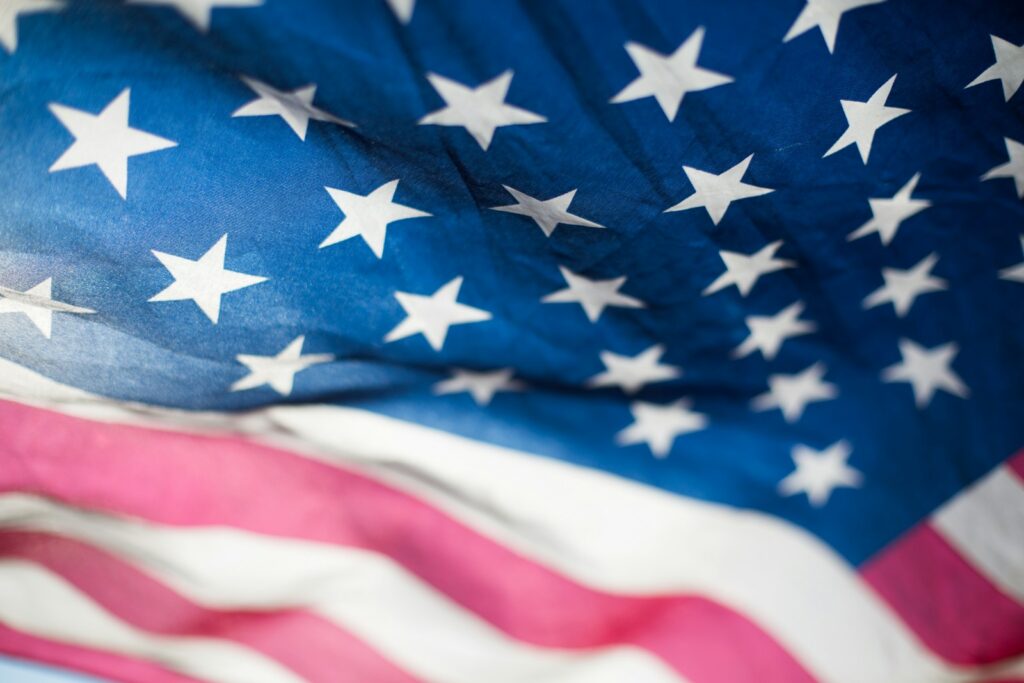
U.S.A. flag

The contrast with the United States is striking.
Here, the First Amendment protects speech from government interference. Creators are free to publish adult content as long as it’s consensual and legal.

But that doesn’t mean American creators face no hurdles:

  • Platforms like Instagram or TikTok can ban or shadowban adult-friendly accounts without warning.
  • Payment processors may refuse to work with adult creators.
  • Algorithmic bias can quietly throttle reach.

In other words, U.S. creators wrestle with corporate censorship rather than government censorship.
It’s a different set of gatekeepers—but still a challenge to autonomy.


Shared Principles, Shared Struggles

Despite the differences, the heart of the issue is the same in both countries:
Who gets to decide what adults can create, share, and earn from?

  • Chinese creators fight the state’s hard wall of prohibition.
  • American creators navigate softer but still powerful corporate barriers.

ForbiddenTease.com highlights this global tension.
By simply existing—and thriving—it proves that creators everywhere deserve platform transparency, economic fairness, and protection from arbitrary suppression, echoing the values of free-expression advocates worldwide.


Why This Matters Beyond Adult Content

Whether you’re a fan of digital art, or a free-speech supporter, the stakes go beyond erotic imagery.
When governments or corporations decide which adult voices to silence, all creative speech becomes more fragile.
Supporting projects like ForbiddenTease.com is about protecting the broader idea that consenting adults should be able to express themselves without fear—no matter where they live.


The Horizon Ahead

The winds of change are slow but steady.
Some Chinese cities are experimenting with creative-industry zones.
Global debates about privacy, decentralization, and blockchain payments hint at future tools for bypassing old gatekeepers.

Until then, the creators featured on ForbiddenTease.com remain on the digital frontlines—charting their own course through stormy waters, much like sailors steering toward a free horizon.


Fair winds to every voice that dares to be heard.
May the courage of creators from Beijing to Brooklyn remind us that freedom of expression is a universal tide—and that no firewall, algorithm, or outdated policy can hold it back forever.

Whistleblower Insights: Heroes or Criminals?

Whistleblower Insights: Heroes or Criminals?

Picture this: a brave soul uncovers a truth that shakes the very foundation of power. Are they a hero, revealing the hidden wrongs, or a criminal, betraying their country? The line between whistleblower and leaker is blurrier than I ever imagined. In this exploration, we’ll dive into the differences, the historical giants who changed the game, and the ethical dilemmas that put these individuals in the public eye. Trust me, you’ll want to stick around for this!

Defining Whistleblowers and Leakers

Defining Whistleblowers and Leakers

I think it’s really important to understand the difference between whistleblowers and leakers. It helps me grasp the complexities of how information is disclosed and the ethical responsibilities that come with it.

Differences Between Whistleblowers and Leakers

Whistleblowers, like me, disclose information to shine a light on wrongdoing, hoping to spark some real reform, while leakers tend to release information without really thinking about the consequences.

Take Sherron Watkins, for example. She exposed accounting fraud at Enron, putting her career on the line to push for change and accountability.

On the flip side, there are leakers like Edward Snowden, who shared classified information, prioritizing the public’s right to know over any potential fallout. When Watkins blew the whistle, she sought legal protection, but Snowden ended up in exile.

Their motivations are pretty different: Watkins is all about promoting transparency within a system, while Snowden is focused on exposing what he sees as systemic injustices on a global scale.

Getting a grip on these distinctions really helps me understand the nuances of how information is shared on society, touching on themes of civic duty and the role of public servants in ensuring ethical governance.

Legal Protections for Whistleblowers

In the U.S., I’ve noticed that there are several laws designed to protect whistleblowers, allowing them to report corporate misconduct without worrying about retaliation or institutional betrayal. Two of the major players in this arena are the Whistleblower Protection Act and the Sarbanes-Oxley Act.

The Whistleblower Protection Act is like a safety net for federal employees, making it illegal for anyone to retaliate against those who expose government misconduct. For example, in 2020, a whistleblower from the Department of Veterans Affairs stepped forward about some serious mismanagement, which ended up sparking significant reforms.

On the other hand, the Sarbanes-Oxley Act broadens these protections to employees of publicly traded companies, promoting corporate ethics and encouraging folks to come forward about financial fraud. In its first decade alone, Sarbanes-Oxley resulted in thousands of reported cases, really ramping up corporate accountability.

It’s great to see these laws in action, helping to create a safer environment for those who dare to speak up.

Historical Context

When I dive into the historical context of whistleblowing, it becomes clear just how crucial these disclosures have been in shaping policies and influencing public perceptions through the years.

Famous Whistleblowers Throughout History

Historical figures like Daniel Ellsberg and Karen Silkwood really show what moral courage looks like for whistleblowers who took a stand against critical injustices.

Take Daniel Ellsberg, for instance. He made headlines back in 1971 when he released the Pentagon Papers, aiming to shine a light on the U.S. government’s misleading reasons for the Vietnam War. His actions set off a wave of protests, and by 1973, over 70% of Americans were against the war.

On the flip side, there’s Karen Silkwood. In the late 1970s, she blew the whistle on unsafe practices at a plutonium processing plant, but tragically, her life was cut short in a mysterious car accident. Her story led to investigations and pushed for stricter regulations on nuclear safety.

Both of them faced serious personal consequences-Ellsberg was indicted, and Silkwood’s legacy went on to fuel activist movements. Their experiences really highlight the risks and profound societal impacts that come with whistleblowing.

Impact of Notable Leaks

Impact of Notable Leaks

Notable leaks, like the Pentagon Papers and WikiLeaks, have really opened the floodgates on government actions and sparked some serious global conversations about accountability.

When the Pentagon Papers dropped, they revealed how the U.S. government was misleading the public about the Vietnam War. That definitely changed public opinion and gave a boost to anti-war movements.

Then there’s WikiLeaks, which in 2010 released a bunch of diplomatic cables that showed some pretty controversial international relations, sparking debates on governmental oversight and freedom of speech. That got people talking about transparency and privacy in government communications.

To really grasp the impact of these leaks, I like to look at metrics like social media engagement. For example, posts that link to these leaks almost always see a surge in shares and comments, which shows there’s a lot of public interest and potential shifts in political discourse happening.

Motivations Behind Whistleblowing

I think whistleblowers are usually motivated by a complicated mix of ethical concerns and personal reasons. They often have a strong sense of justice and a deep-seated fear of corruption that pushes them to speak up.

Ethical Considerations

Ethical whistleblowing really gets me thinking about moral responsibility, especially when it comes to weighing personal gain against the greater good. I know that whistleblowers often face a lot of backlash, but it’s interesting to see that around 70% of the public actually supports them, recognizing how vital transparency is.

Of course, conflicts of interest can pop up, especially if a whistleblower stands to gain something from their revelations. Take, for example, an employee who exposes fraud at their company-if they’re set to receive a financial reward, it’s easy for people to start questioning their motives.

To navigate these tricky situations, I believe we need clear ethical guidelines and organizational policies that put integrity first. This way, we can keep accountability front and center, making sure that the right intentions are in play.

Personal and Professional Risks

Whistleblowers really put themselves on the line, facing some serious personal and professional risks like retaliation, job loss, and social ostracism. It’s pretty alarming that around 65% of whistleblowers end up facing some form of retaliation, which might involve getting demoted, harassed, or even fired.

I mean, just look at high-profile cases like Sherron Watkins, who exposed Enron’s accounting fraud. She faced a lot of backlash even though she did something incredibly brave. Then there’s Edward Snowden, who leaked information about NSA surveillance and ended up in exile. It’s a tough road.

To help manage those risks, it’s super important for whistleblowers to keep detailed records of their findings and seek legal advice, understanding the importance of whistleblower anonymity to really understand their protections under the law. Plus, connecting with support groups can be a game-changer, offering both emotional support and strategic advice during such a challenging time.

Public Perception

My view on whistleblowers and leakers has really shifted depending on what I see in the media and how society talks about them.

It’s interesting how much public perception can change based on the narratives being pushed.

Media Representation of Whistleblowers and Leakers

Media Representation of Whistleblowers and Leakers

Media representation really shapes how we see whistleblowers, often painting them as either heroes or villains. I can see this clearly in the different stories out there, like how Edward Snowden is portrayed in *Citizenfour*. That film really highlights his heroism and moral stance, which is a sharp contrast to the more ambiguous way Julian Assange is depicted in *The Fifth Estate*.

When I look at audience engagement metrics, it’s fascinating to note that films about whistleblowers really catch people’s attention. Take *Citizenfour*, for instance; it not only snagged an Oscar but also scored a 96% rating on Rotten Tomatoes.

Those representations can really sway public opinion, whether it leads to more support or condemnation, and they play a big role in the ongoing conversations about accountability and transparency.

Case Studies of Public Reaction

When I dive into case studies of how people react to whistleblower disclosures, it’s fascinating to see the complexities in our society’s values around truth and loyalty. Take the 2013 Edward Snowden leak, for example. There was a huge public debate going on, with a Gallup poll showing a split: about 50% of people saw him as a whistleblower, while 43% labeled him a traitor.

Then there’s the social media sentiment analysis, which revealed a spike in #ThankYouEdwardSnowden tweets-proof that, amidst all the controversy, plenty of people admired him. Similarly, in 2018, Dr. Christine Blasey Ford’s case stirred up mixed approval ratings. Initially, they hovered around 36%, but as media coverage intensified, those numbers began to climb.

These cases really highlight how context can shape public approval and sentiment, making it clear that we need a nuanced understanding of how people react to these situations.

Legal and Ethical Implications

Whistleblowing comes with a whole lot of legal and ethical implications that can really affect both me as the whistleblower and the organization I’m blowing the whistle on.

Consequences of Whistleblowing

The consequences of whistleblowing can really be huge, affecting not just my life and career, but also the practices within the organization. I know that whistleblowers often face tough challenges like potential legal battles, losing their jobs, going through emotional turmoil, and sometimes even dealing with legal issues.

For example, a study from the Government Accountability Project revealed that nearly 30% of whistleblowers experience retaliation from their employers within the first year due to their exposure of wrongdoing.

Take Sherron Watkins, for instance. She bravely exposed Enron’s fraudulent practices, a notable example in whistleblower case studies, but that led to some serious career setbacks for her, despite her courageous actions in truth-telling.

There are tools like the Whistleblower Protection Act that offer some legal shields, fostering whistleblower advocacy, but the truth is, many whistleblowers still deal with long-lasting effects. It’s clear that there’s a need for better protections and systemic issues to be addressed in various industries.

Debates on National Security vs. Transparency: Political Implications and Public Trust

The ongoing debate about national security versus transparency really highlights the tricky balance and ethical frameworks we need when whistleblowers decide to share sensitive information. Take the Edward Snowden revelations, for example. They raised some serious concerns about government surveillance, an area fraught with government secrets, but also kicked off a lot of conversations about our privacy rights and civil rights.

On one hand, supporters of whistleblowing argue that it’s a big step toward public accountability and a way to protect democracy. They often point to the Protectors of Whistleblowers Act as a safety net for those who speak up, promoting whistleblower effectiveness despite potential moral ambiguity.

On the flip side, critics warn that leaks and information disclosure can really mess things up and even put lives at risk, like we saw with the WikiLeaks release of diplomatic cables and the ethical transparency it challenged.

Public opinion is all over the place on this. A 2023 Pew Research survey showed that 55% of people think whistleblower protections are super important for professional ethics, while 45% are concerned about the risks to national security and intelligence agencies’ operations. It’s clear that finding a balance between these views, considering whistleblower motivations and societal norms, is crucial for lawmakers to figure out.

Frequently Asked Questions

Frequently Asked Questions

What is the difference between a whistleblower and a leaker in terms of ethical responsibility?

While both individuals may reveal sensitive information, the key difference is their motivation and ethical leadership. A whistleblower exposes information to expose wrongdoing or illegal activity, driven by conscience and whistleblower identities, while a leaker may simply share information for their own personal gain, impacting public trust.

What protections do whistleblowers and leakers have under current whistleblower laws?

Whistleblowers are protected by various whistleblower laws, such as the Whistleblower Protection Act, that shield them from retaliation or prosecution for revealing information. These legal implications are crucial in protecting whistleblower narratives. Leakers do not have the same legal protections and may face criminal charges for their actions, reflecting the moral ambiguity in information leaks.

Is it ever justified for a whistleblower or leaker to break the law in pursuit of activism?

This is a highly debated topic in whistleblower stories, with some arguing that exposing illegal activity justifies breaking certain laws as a form of conscientious objection, while others believe that following the law is always the right course of action, highlighting ethical transparency. Ultimately, the decision to break the law should be carefully considered and weighed against the potential consequences, including whistleblower rewards.

Are whistleblowers and leakers always seen as heroes or criminals, given the cultural attitudes?

The perception of these individuals can vary greatly depending on the specific circumstances, political implications, and the views of the public and government, including whistleblower support systems. Some may view them as courageous for revealing the truth, while others may see them as traitors or criminals for betraying their organization, reflecting diverse cultural attitudes.

Can whistleblowers and leakers remain anonymous through source protection?

In some cases, yes. Whistleblowers may be able to remain anonymous by using a secure reporting system or whistleblower networks, such as a hotline, while leakers may choose to use encryption methods to protect their identity and maintain information leaks. However, there is always a risk of being identified and facing consequences, impacting whistleblower organizations.

Are there any positives to having whistleblowers and leakers in terms of societal norms and corporate governance?

While their actions may be controversial, whistleblowers and leakers can bring important information to light and hold organizations and individuals accountable for their actions, challenging abuse of power and promoting social justice. This can lead to positive changes, influencing whistleblowing trends and a more transparent society, enhancing public trust and corporate governance.

Want to keep exploring the fight for free expression and digital rights? Visit the BertrandPancher.com home page for more in-depth articles, fresh perspectives, and resources on protecting free speech in the modern world.
Exploring Student Speech Rights from Campus to TikTok

Exploring Student Speech Rights from Campus to TikTok

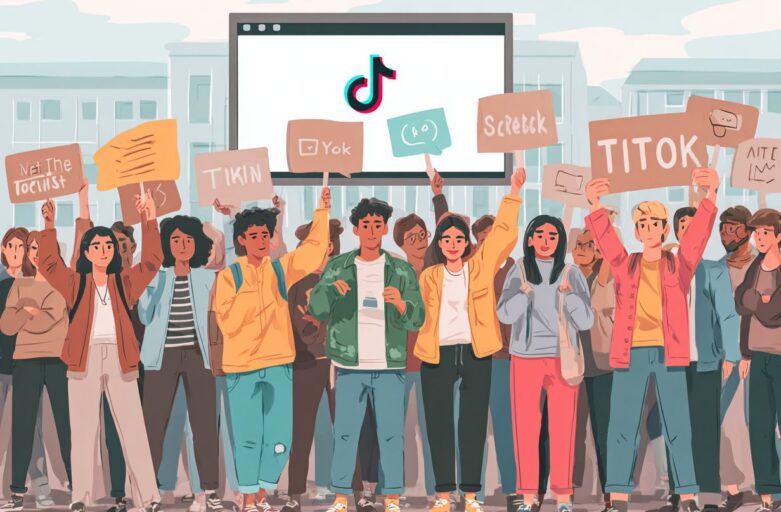
When I scroll through TikTok, I can’t help but think about how students today are using their voices in ways we never imagined. From campus protests to viral videos, the fight for speech rights has evolved dramatically. It’s crucial to explore the legal landscape that shapes these conversations-from landmark court cases to the untamed nature of social media. Join me as we dive into the complexities of student speech rights, and discover how this digital revolution is redefining activism and youth activism.

Definition and Importance

Definition and Importance

Student speech rights are all about my ability to express my views freely in school, and they’re protected under the First Amendment. These rights are super important for creating a culture where academic freedom and responsible digital citizenship can thrive, promoting digital citizenship rights and civic responsibilities.

Take, for example, how schools can set up policies that encourage me and my classmates to dive into discussions on controversial topics while making sure everyone’s voice is heard. Educators can help us understand what our online presence means and promote respectful conversations through workshops that focus on digital literacy and ethical considerations.

Plus, establishing platforms like student forums or debate clubs can really boost our respect for differing opinions. It equips us with the skills we need to navigate conversations in today’s digital world and understand the role of digital rights.

Historical Context of Student Speech Rights

I find it fascinating how the evolution of student speech rights in the U.S. has unfolded through a series of landmark cases.

These cases have really shaped what free expression looks like in educational settings, public university, and defined the boundaries for students.

Landmark Cases and Legislation

I find it fascinating how landmark cases like Tinker v. Des Moines (1969) really set the stage for student rights. This case made it clear that students don’t lose their constitutional rights just because they walk into a school.

It highlighted that they have the right to express themselves, as long as their actions don’t disrupt what’s happening in class.

After Tinker, other cases like Hazelwood School District v. Kuhlmeier (1988) came along and fine-tuned those rights, giving schools the power to regulate activities that they sponsor. Then there’s Morse v. Frederick (2007), which upheld restrictions on student speech promoting illegal drug use. That case really showed there are limits to student expression.

All these cases play a part in shaping how we understand student rights today, including digital age considerations, and they’re crucial for figuring out the current policies and the balance between free speech and school authority.

Evolution Over Time

Over the past fifty years, I’ve seen student speech rights evolve quite a bit, shaped by social movements and changing cultural attitudes toward free expression.

Back in the 1970s, landmark cases like Tinker v. Des Moines really paved the way for students’ rights to free speech, setting a precedent for future activism. These days, we’re still grappling with issues like online expression, political expression, and political protests that continue to challenge those rights.

Modern students like me are using social media platforms such as Twitter and Instagram not just to share our opinions but also to organize movements. Of course, there are hurdles we face, like administrative censorship and legal restrictions.

In response, student organizations are stepping up to advocate for clearer policies that protect our rights, making sure that the spirit of free expression stays alive and well on campuses.

Free Speech on Campus

Free speech on campus is a constantly evolving topic for me. I see how university policies are always trying to find that sweet spot between allowing expression and maintaining community standards.

It’s definitely a tricky balance!

Policies and Regulations

I’ve noticed that many universities have these speech codes that regulate expression, all in an effort to create a more inclusive environment while trying to navigate the tricky waters of free speech protections.

These codes usually cover things like hate speech, harassment, and disruptive behavior. For example, a university might ban any speech that threatens violence or encourages discrimination against certain groups.

But here’s the thing: these regulations can lead to legal challenges because students often argue that their First Amendment rights and communication rights are being infringed upon. It’s a fine line for institutions to walk as they try to balance their commitment to inclusivity with the need to follow constitutional protections. This often sparks ongoing debates and leads to constant revisions of their policies.

Challenges Faced by Students

Challenges Faced by Students

I see that students today face a lot of challenges when it comes to their speech rights, like censorship, backlash over controversial opinions, and pushback from institutions. It’s wild how common these issues are.

Just take a recent university protest against a speaker that turned into a big mess. It really highlighted the clash between free speech, safety, and collective voice in speech forums.

I’ve heard of students getting in trouble for sharing unpopular views on social media, which definitely raises some eyebrows about whether there’s overreach happening with online identity and online reputation. Luckily, there are resources out there for students to help tackle these problems.

For instance, the Foundation for Individual Rights and Expression (FIRE) offers legal support, and there are advocacy groups that encourage dialogue on campus.

I think engaging in open forums can really help foster understanding, build a community, and encourage speech limitations awareness. that respects all kinds of viewpoints. It’s all about finding that balance, right?

The Role of Social Media

I’ve noticed that social media platforms like TikTok have really changed the landscape of youth culture and participatory culture. the game for how students express themselves.

It’s incredible how quickly ideas can spread and how easily they can come together for activism.

Impact of Platforms like TikTok

TikTok has really become a powerful outlet for youth expression, letting me and my fellow students share our perspectives and experiences with a global audience. It’s fascinating how this platform has sparked important conversations in the realm of digital advocacy and virtual activism. on campuses, especially around free speech rights.

For example, when the `Silence is Compliance’ trend went viral, it got many of us advocating for racial and social justice, which even influenced some university policies. Then there’s the `Don’t Say Gay’ hashtag, which mobilized students to challenge some pretty restrictive laws in various states.

These instances show that TikTok doesn’t just give us a voice-it actually encourages community action and pushes institutions to rethink their stances on student expression and rights.

Virality and Student Activism

I’ve noticed that the virality of social media posts can really boost student activism, shining a spotlight on issues like inequality and justice on campuses. Successful movements often make the most of platforms like Twitter and Instagram.

Take the #BlackLivesMatter movement, for example. It gained a lot of momentum on campuses after some powerful viral posts called attention to police brutality.

I find that tools like Canva are super helpful for creating eye-catching graphics or infographics to share on social media-this definitely ramps up engagement. Plus, setting up event pages on Facebook can really rally fellow students for protests or discussions.

By combining high-quality content with smart outreach, student activists can effectively raise awareness and build community support.

Legal Framework Governing Digital Speech

I find the legal framework around student speech in the digital age to be pretty complex.

It’s all about finding that balance between First Amendment rights and privacy concerns, while navigating digital ethics.

First Amendment Considerations

The First Amendment has a big impact on the legal protections for student speech, but how it applies in the digital world is still a hot topic of debate.

I remember reading about landmark cases like Tinker v. Des Moines Independent Community School District from 1969, where the Supreme Court made it clear that students don’t lose their right to free speech just because they’re at school. That case really helped protect non-disruptive expressions of opinion.

Then there’s Morse v. Frederick from 2007, where the Court decided that schools could restrict student speech that promotes illegal activities, like drug use.

These cases show that while students can express themselves online through digital communication, schools still have the right to step in if that speech disrupts the educational environment. So, it’s a good idea for students to be mindful of what they say, especially on digital platforms connected to their schools.

Privacy vs. Free Speech

Privacy vs. Free Speech

As I navigate the world of digital communication, I can’t help but notice the tricky balance between privacy rights and free speech that often leads to some complex legal dilemmas. For instance, I’ve seen how these tensions play out in cases involving school disciplinary actions over social media posts.

Take the situation where a student posts a criticism of a teacher online; schools might argue that this kind of speech disrupts the educational environment.

On the flip side, students often claim their right to free expression, referencing cases like Tinker v. Des Moines. It really feels like schools need to step up and create clearer policies that respect both free speech and privacy.

Educating students about their rights and the possible consequences of their online actions seems essential for navigating this complicated landscape.

Case Studies

When I dive into specific case studies of student movements, I really see how dynamic campus speech rights can be and the clever strategies that students use to make their voices heard.

It’s fascinating to explore how they navigate these issues, utilizing digital platforms’ impact, and fight for their rights.

Successful Student Movements and Influencer Culture

I’ve been really inspired by recent student movements, like the March for Our Lives, which show just how powerful collective expression and digital advocacy can be. Student activists have really tapped into social media platforms like Twitter and Instagram to spread their messages and rally support, showcasing social media influence.

Take the March for Our Lives, for example. Followers rallied around hashtags like #NeverAgain to present a united front, and with tools like Canva, they designed some seriously impactful graphics to share. This is a clear example of content creation and audience engagement at work.

Organizing events through platforms like Facebook Events allowed students to mobilize thousands of people in no time. The result? A noticeable boost in youth voter registration, proving that digital engagement, when paired with real-world action, can lead to significant change and further student rights activism.

Controversial Incidents and Speech Regulation

Controversial incidents, like the protests against invited speakers, really shine a light on the ongoing conflicts around free speech on campuses and the nuances of speech regulation. These events often spark strong reactions from both students and administrations.

Take, for example, a speaker who shares polarizing viewpoints; the reactions can be everything from passionate protests to a solid defense of the speaker’s right to share their ideas, highlighting the tension between freedom of expression and content moderation.

This tension really underscores the need for dialogue and nuanced discourse. I think institutions can play a big role by creating open forums where different perspectives can be discussed while still keeping everyone safe.

By learning from these situations, schools can shape future policies that encourage respect for free speech while also prioritizing student well-being. Finding that delicate balance is key to creating a truly inclusive campus environment that supports equity in speech and cultural discourse.

Trends and Predictions in Digital Democracy and Educational Policies

Emerging trends like digital activism and a growing awareness of rights are really going to shape the future of student speech rights. I mean, just think about it-social media has given students a platform to express their opinions more freely than ever. TikTok, for example, has become a go-to space for activism and technoculture.

Universities are catching on and starting to tweak their social media policies to have a better grasp of the First Amendment. This often means they’re putting clearer guidelines in place about what’s considered acceptable speech on campus.

Tools like Social Sentinel are also stepping in to help schools keep an eye on online conversations while still encouraging respectful dialogue, a form of platform accountability. As these trends continue to develop, I can definitely see a more informed generation stepping up to advocate for strong protections of their speech rights and tackle online harassment.

Frequently Asked Questions on Digital Citizenship Education

What are student speech rights in the digital age?

What are student speech rights in the digital age?

Student speech rights in the digital age refer to the rights and protections that students have when expressing themselves through various forms of digital communication, such as social media platforms, on-campus websites, and online forums. This includes considerations of online privacy and user-generated content.

Do students have the same speech rights online as they do on campus?

Yes, students are generally protected by the First Amendment both on and off campus, including their online speech. However, schools may have some limitations on student speech in certain situations, such as if it causes a significant disruption to the learning environment, highlighting the importance of institutional policies and educational institutions’ role in speech regulation.

How does free speech apply to student use of social media?

Students have the right to express themselves freely on social media platforms, as long as their speech does not violate any school policies or laws. However, schools may have the authority to discipline students for online speech if it causes a substantial disruption or violates the rights of others, raising questions about digital footprints and social responsibility. Thats why some students started their own tok2fans.com accounts and started modeling.

Can schools regulate student speech on TikTok?

Generally, schools cannot regulate student speech on TikTok unless it falls under certain exceptions, such as if it is considered a threat or harassment. However, schools may have the authority to address disruptive behavior or speech that violates school policies, even on TikTok, reflecting the ongoing dialogue between personal expression and expression versus safety.

What should students be aware of when posting on social media?

Students should be aware of potential consequences for their online speech, such as disciplinary action from their school, as well as legal ramifications if their speech is considered defamatory, threatening, or harassment. It is important for students to think carefully before posting anything on social media, understanding the potential legal implications and peer influence it may carry.

Are there any resources for students to learn more about their speech rights in the digital age?

Yes, there are various resources available, including websites and organizations dedicated to protecting student speech rights. Some examples include the Student Press Law Center, the First Amendment Center, and the American Civil Liberties Union (ACLU), which offer insights into speech and technology and digital citizenship education.

Want to keep exploring the fight for free expression and digital rights? Visit the BertrandPancher.com home page for more in-depth articles, fresh perspectives, and resources on protecting free speech in the modern world.

Exploring Free Speech: Art’s Legal Limits and Expression

Exploring Free Speech: Art’s Legal Limits and Expression

Art has an uncanny ability to stir up emotions and provoke thought-sometimes even pushing us right to the edge of what’s legally acceptable. As a lover of both free speech and creative expression, I find myself wondering: when does art cross the line? In this exploration, we’ll dive into the legal landscape that shapes artistic freedom, look at powerful examples of art as protest, and grapple with the controversies that arise when creativity clashes with societal norms. Let’s unpack the fine line between expression rights and censorship together!

Defining Free Speech and Artistic Expression

Defining Free Speech and Artistic Expression

Free speech, which is often protected by the First Amendment, gives me the right to share my opinions without government interference, but there are some legal limits to keep in mind.

These limits cover things like hate speech, which can incite violence or discrimination, and obscenity, which many folks might find offensive based on community standards.

For example, the Supreme Court has this thing called the Miller Test to help determine what’s considered obscene. It looks at whether the average person, using current community standards, would see the work as appealing to prurient interests, lacking serious literary value, and being outright offensive.

Getting a grip on these boundaries is super important for me. It helps me navigate free speech in a responsible way, making sure I can express myself while also keeping the community’s safety and moral values in mind.

Understanding Artistic Expression

Artistic expression is my go-to way of tapping into creativity and exploring the cultural heritage. It’s all about challenging norms while reflecting what’s happening in society and sharing my own perspective, often through social commentary and cultural criticism.

Take Banksy, for example. His provocative imagery really gets people talking about social issues and raises awareness. When I see his work, like ‘Girl With a Balloon,’ I can’t help but feel the deep themes of hope and loss. It really makes me think about my own experiences.

Then there’s Ai Weiwei, whose installations, like ‘Sunflower Seeds,’ make me pause and consider cultural norms. He shines a light on the impact of mass production and invites us to think about the balance between individual and collective identity.

These examples show me that art isn’t just about expressing feelings; it’s also a powerful way to spark conversations in society and encourage us to think more deeply and engage with one another, thereby motivating artistic innovation.

The Legal Framework and Art Law

I find that understanding the legal framework around free speech and artistic expression is really important for navigating the complexities of creating art.

It helps me make sense of the challenges I might face in my work, including legal boundaries and ethical considerations.

Constitutional Protections and Judicial Precedent

The First Amendment gives me the freedom to express myself, practice my religion, gather with others, and petition the government. It really is the backbone of artistic protections here in the U.S.

Some landmark cases, like *Schenck v. United States* in 1919 and *Tinker v. Des Moines Independent Community School District* in 1969, really show just how far these freedoms can reach.

In *Schenck*, the Court decided that speech creating a “clear and present danger” could be restricted, which is an important point. On the flip side, *Tinker* stood up for student expression, making it clear that artistic endeavors-even in schools-deserve constitutional protection.

These rulings really highlight how crucial the First Amendment is for nurturing a vibrant artistic scene, allowing artists like me to express dissent and innovate without worrying about censorship, and setting important judicial precedent.

International Perspectives on Free Speech

I find it fascinating how different countries have their own take on free speech and artistic freedom. Some really prioritize artistic expression, while others have strict rules in place.

For example, in the United States, the First Amendment is like a big thumbs-up for free speech, which allows artists like Ai Weiwei to openly share their political views. But then you look at places like China and Iran, where artists can get into serious trouble for criticizing the government.

Take Jafar Panahi, the Iranian filmmaker, for instance. Back in 2015, he ended up in jail just for making films that the authorities found politically provocative. These examples really highlight the tricky balance between freedom of expression and government control, and they definitely shape the themes and messages that artists decide to put out there, impacting their artistic license.

Art as a Form of Protest and Art Activism

Art as a Form of Protest and Art Activism

I’ve always believed that art is a powerful tool for protest. It allows me to challenge societal norms and advocate for change in a way that words alone sometimes can’t.

Historical Examples of Protest Art and Heritage Preservation

I find it fascinating how historical protest art, like Picasso’s ‘Guernica’ and the Vietnam War memorials, really highlights the power of visual storytelling in raising public awareness.

Take ‘Guernica,’ for example. It was created as a response to the bombing of a Spanish town during the Spanish Civil War, and it stands as a strong symbol against fascism.

Then there are contemporary works like the AIDS Memorial Quilt, which not only honors those lost to the epidemic but also advocates for public health awareness and LGBTQ+ rights.

These pieces go beyond just being art; they spark conversations and drive social change, reinforcing the role of art activism. By connecting art with important social issues, they resonate with people both emotionally and intellectually, often igniting movements that lead to legislative and cultural shifts.

Modern Movements and Their Impact on Social Justice

Contemporary movements like Black Lives Matter really inspire me as an artist to create impactful works that tackle systemic injustices through visual mediums.

Take Kerry James Marshall, for example, whose work is deeply rooted in social justice. He uses vibrant imagery to celebrate African American heritage and identity, shining a light on stories that often get overlooked in art history.

Then there’s Ai Weiwei, whose work, especially pieces like “Sunflower Seeds,” critiques government oppression and champions freedom of expression.

I find it fascinating how social media amplifies these important messages, letting artists reach wider audiences and spark meaningful conversations.

Hashtags like #ArtForChange transform individual expressions into collective movements, encouraging young activists to see art as a powerful form of political commentary. It’s exciting to be part of this dynamic landscape, where digital art and virtual galleries are becoming prominent!

Legal Cases Involving Artistic Expression and Art Law

Legal cases about artistic expression really highlight the constant struggle between creative freedom and societal standards.

It’s fascinating to see how these debates unfold and shape the way art is perceived and created, often impacting intellectual property rights.

Notable Supreme Court Cases and Their Legal Implications

Landmark Supreme Court cases like ‘Tinker v. Des Moines’ and ‘Miller v. California’ have really shaped how I think about artistic expression and the law.

In ‘Tinker v. Des Moines’ (1969), the Court backed up students’ rights to free speech, saying that schools need to show a legitimate reason to limit that expression. On the flip side, ‘Miller v. California’ (1973) set the bar for what counts as obscenity, laying out what qualifies as protected speech.

These rulings still resonate today, especially when we’re diving into debates about social media censorship, artistic installations, street art, and even graffiti.

I see artists referring to these cases all the time in their battles against censorship, standing firm on their First Amendment rights as they navigate the modern challenges of expression across different mediums, including online expression.

Lower Court Decisions and Their Implications for Art Policy

Lower Court Decisions and Their Implications for Art Policy

I’ve noticed that lower court decisions often reflect the community’s standards and values, which really impacts how we perceive and censor artistic expression.

Take, for example, a notable case from 2013 where a gallery decided to pull an artwork that was considered offensive. That sparked quite a debate about censorship and free expression.

Then there was a 2020 ruling regarding a mural featuring political figures that made everyone question the differences between public and private spaces in art. These kinds of decisions shape the legal landscape for artists and also get people talking about what’s acceptable in art.

It’s a tricky balance between artistic freedom and what society deems appropriate, often leading to self-censorship.

Controversial Art and Public Response in Art Institutions

I find that controversial art often sparks some pretty heated debates about censorship and what’s considered acceptable expression in our society.

It really gets people talking!

Censorship and Its Challenges in Art and Politics

Censorship in the arts really creates some tough challenges for all of us. It raises questions about moral standards and community values, and honestly, it can stifle creativity in a big way.

Take the 1989 exhibition “The Perfect Moment,” for example. That showcased the work of artist David Wojnarowicz, but his pieces were removed because they tackled provocative themes around sexuality and AIDS.

Then there’s “Piss Christ” by Andres Serrano, which has also faced a lot of scrutiny. It’s sparked debates about artistic freedom versus community outrage.

These cases show the broader implications for artists like me; we might end up self-censoring or changing our work just to dodge the backlash. In doing so, we limit our creative potential and the rich discussions that art can inspire.

The Role of Public Opinion in Art Criticism

Public opinion really shapes how controversial art is received, and I’ve seen how it affects the way artists deal with societal expectations, often influencing audience reception and interpretation. Take Andres Serrano, for example-his piece “Piss Christ” caused a huge uproar, but it also sparked important conversations about censorship and artistic freedom.

Then there’s Banksy, a known provocateur, who loves to push the envelope and challenge social norms. He uses public art to call out political issues, and his work gets people talking, even if it makes them uncomfortable. It’s fascinating to see how changing public attitudes can either validate or condemn an artist’s message, influencing the cultural discourse.

I’ve noticed that artists today can tap into social media for real-time feedback, enhancing audience engagement. This helps them steer their work to either align with societal views or challenge them, ultimately shaping the public discourse around what they create.

Future of Free Speech in Art

The future of free speech in art really depends on how societal standards evolve and how willing artists are to push back against the status quo with provocative art. With technology advancing at lightning speed, I can use platforms like social media to connect directly with a wider audience and skip over those traditional gatekeepers.

This democratization opens the door for all sorts of bold themes, from mental health to political dissent to climate change, and it feels like we’re seeing a significant shift in cultural conversations and art movements.

Take movements like #MeToo and Black Lives Matter, for example, which have become integral to expressive culture. They’ve had a huge impact on contemporary art, encouraging creators to dive into tough subjects without holding back. Simultaneously, the rise of AI technologies has sparked some interesting debates about authorship, originality, and artistic intent.

As an artist, I find myself navigating these new ethical waters while still making sure my voice is heard loud and clear, maintaining artistic integrity.

Encouraging Dialogue and Understanding

Encouraging Dialogue and Understanding

I really believe that fostering open dialogue about controversial art can help us understand and appreciate the diverse perspectives in our communities, enhancing artistic dialogue. One way I like to facilitate this conversation is by organizing community forums where artists and audience members can interact directly, fostering cultural sensitivity.

I often use platforms like Zoom or find local art spaces to host these discussions, promoting art exhibitions. I think it’s a great idea to invite guest speakers, like art critics or social activists, to provide some context and spark deeper conversations.

I also love implementing workshops that encourage participants to create art inspired by our discussions, which really fosters creativity and personal expression. Tools like Miro are fantastic for collaborative brainstorming, and I find that social media can really amplify these conversations beyond the venue, engaging a wider audience in the mix and exploring performance art.

Frequently Asked Questions

What is free speech and artistic expression, and how do they relate to creative rights?

Free speech and artistic expression are fundamental human rights that allow individuals to express their thoughts, opinions, and ideas without fear of censorship or punishment, safeguarding civil liberties. It encompasses a wide range of forms, including visual art, music, writing, performance, and more.

How can art push legal boundaries and explore the parameters of art?

Art can push legal boundaries by challenging social norms and addressing controversial topics such as politics, religion, and sexuality, often leading to legal challenges. Sometimes, this can result in legal action being taken against the artist or artwork if it is deemed offensive or harmful.

What are the legal limitations on free speech and artistic expression, and how do they relate to obscenity laws?

The legal limitations on free speech and artistic expression vary depending on the country and its laws. In general, there are restrictions on speech that incites violence, hate speech, and obscenity. Additionally, the government can also impose limits on speech that is considered a national security or public safety threat under legislative measures.

Can an artist be held legally responsible for their artwork?

Yes, an artist can be held legally responsible for their artwork if it violates any laws or infringes on the rights of others, such as defamation. For example, if an artwork contains copyrighted material without permission or defames someone, the artist may face legal consequences.

How can an artist protect their right to free speech and artistic expression?

An artist can protect their right to free speech and artistic expression by understanding the laws and regulations that govern their country and making sure their artwork does not violate them. It is also important to have a strong understanding of intellectual property rights and obtain necessary permissions or licenses when using others’ work in their own, respecting private property.

Is it possible for art to inspire change through pushing legal boundaries?

Yes, art that pushes legal boundaries can inspire change by challenging societal norms and sparking important conversations. It can also bring attention to important issues and promote social and political activism. However, artists should also be aware of the potential consequences and consider the impact their artwork may have on others.

Want to keep exploring the fight for free expression and digital rights? Visit the BertrandPancher.com home page for more in-depth articles, fresh perspectives, and resources on protecting free speech in the modern world.

AI: Threat or Ally in Protecting Free Expression?

AI: Threat or Ally in Protecting Free Expression?

Imagine waking up in a world where your every word is monitored, yet at the same time, you have access to a wealth of ideas and voices like never before. That’s the paradox we face with AI today. As I dive into this complex relationship, I’ll explore how AI can both stifle and enhance our freedom of expression. From censorship and surveillance to opening doors for diverse perspectives, the stakes couldn’t be higher. Curious to see where this balance leads us? Let’s unpack it together!

Defining Free Expression

Defining Free Expression

Free expression is all about my right to share ideas without any censorship, and I really believe it’s crucial for democracy, digital rights, and human rights, especially in the online world. In democratic societies, it helps create open dialogue, allowing us to challenge authority and get involved in governance.

But things get a bit tricky with digital communication. The rapid spread of information can boost positive ideas, but it can also spread harmful misinformation. To tackle these challenges, I often turn to tools like fact-checking platforms-think Snopes or FactCheck.org-and I try to get involved in digital literacy programs. These resources help me and others figure out which sources are credible.

Finding that balance is super important. It ensures that everyone gets a chance to be heard while also keeping the information we share online trustworthy and reliable, maintaining digital freedom.

The Role of AI in Modern Society

AI technology is really making waves, and it’s projected to hit a market value of $1 trillion by 2030. It’s playing a huge role in how information spreads across different platforms.

I’ve noticed that the integration of AI in fields like journalism, marketing, and education has really sped up content creation and made it way more personalized. For example, news agencies are now using AI algorithms to curate articles that match what readers prefer, which definitely boosts engagement.

In the marketing world, tools like HubSpot are leveraging AI for predictive analytics, allowing them to tailor campaigns to fit user behavior perfectly.

But there’s a bit of a warning here. Relying too much on AI can lead to misinformation if the algorithms focus more on speed than accuracy. So, while AI is driving innovation, it’s super important to keep a watchful eye to maintain the integrity of public discourse and protect digital expression.

AI as a Threat to Free Expression

I find that while AI brings some amazing transformative capabilities, it also presents some serious threats to the integrity of free expression around the world.

Content Moderation and Censorship

I’ve noticed that automated content moderation systems can sometimes unintentionally stifle free expression. Take YouTube, for example; its algorithm has been known to mistakenly flag independent news channels as inappropriate. This usually happens because the algorithms just can’t grasp the context, which leads to some pretty significant consequences for creators.

For instance, I came across a study showing that videos from independent journalists were flagged over 60% of the time for supposed violations. And the fallout? Demonetization and reduced visibility, which can seriously hit an independent creator’s livelihood and their ability to maintain free speech.

To tackle this issue, I think creators should consider diversifying their platforms-like using Vimeo or Patreon-to reach audiences that aren’t as impacted by these pesky algorithms. Plus, advocating for clearer moderation policies and appealing flagged content can really help protect against these automated mistakes.

Surveillance and Privacy Concerns

Surveillance technologies powered by AI, like facial recognition, really make me pause and think about personal privacy and data protection. I mean, it’s concerning when studies show that about 70% of people in the U.S. disapprove of it.

Many countries are grappling with the legality and ethical implications of AI surveillance, especially concerning privacy and autonomy. Take the European Union, for example; their General Data Protection Regulation (GDPR) has set some pretty strict guidelines around data privacy and consent, which has sparked debates about using facial recognition in public spaces.

In the U.S., San Francisco took a stand and became the first city to ban facial recognition technologies back in 2019, citing concerns over civil liberties. Plus, there are ongoing lawsuits about the use of AI surveillance in schools and by law enforcement that are really getting people talking about how to balance safety with individual rights and digital citizenship.

AI as an Ally for Free Expression

Even though there are challenges, I see AI as a key ally in promoting free expression.

It really helps to make information more accessible and brings a variety of voices to the forefront, enriching public discourse.

Enhancing Access to Information

Enhancing Access to Information

AI tools like chatbots and search algorithms really make it easier for everyone to get the information they need quickly, which is super important for making informed decisions.

For example, Google’s natural language processing algorithms let me ask questions just like I would in a conversation, and that usually leads to much more relevant search results.

Chatbots like Drift or Intercom are fantastic because they provide instant support on websites, helping me find answers to FAQs or product inquiries without any hassle.

Then there’s IBM Watson, which is using AI to sift through massive datasets and uncover insights that would otherwise be buried in all that complex information.

All these technologies work together to improve how we access information, making it simpler to find knowledge and helping us make better decisions along the way.

Facilitating Diverse Voices

AI platforms like Medium really enable me to share a variety of narratives, which helps broaden the range of voices in public discourse, especially for marginalized groups. I love how these platforms use algorithms to shine a spotlight on content from underrepresented authors, ensuring their stories get the visibility they deserve, thus promoting intellectual freedom.

For example, Medium’s tagging system makes it super easy for me to categorize my work, so readers interested in specific topics can easily find diverse viewpoints. Tools like WriteWithAlexa also give me tailored AI assistance, which helps enhance my writing quality and promotes inclusivity.

Plus, by encouraging collaboration through features like comment threads and sharing suggestions, these platforms not only enrich the conversation but also foster a culture of inclusivity, inviting even more voices to join the dialogue.

The Balance of Power

I believe finding a balance in the power dynamics of AI’s influence on free expression is really important for keeping our democratic values and ethical standards intact.

Ethical Considerations in AI Development

I find it fascinating how developing ethical AI frameworks, like the EU’s proposed AI Act, really focuses on ensuring that algorithms are all about transparency and accountability in decision-making.

These frameworks highlight important principles like fairness, privacy protection, and non-discrimination. For example, developers are encouraged to use auditing tools like AI Fairness 360, which helps spot any bias in models before they go live.

I also think it’s crucial to have transparent reporting mechanisms in place so users can grasp how decisions are made. Organizations can boost their efforts by regularly consulting with stakeholders to fine-tune their AI strategies, making sure to consider a variety of perspectives.

By promoting accountability through these approaches, we can better safeguard free expression and uphold societal values as we navigate the age of AI.

Regulatory Frameworks

I’ve noticed that countries are starting to roll out regulatory frameworks to tackle the negative impacts of AI on free expression, like Germany’s Network Enforcement Act. It’s pretty interesting that, alongside Germany, the European Union is proposing the AI Act, which aims to classify AI systems based on their risk levels. This means stricter regulations for those high-risk applications.

Meanwhile, over in the United States, they’re looking into sector-specific guidelines through agencies like the Federal Trade Commission to address issues around bias and privacy. Each of these frameworks has its strengths-like the EU’s thorough risk assessment approach-but they also face challenges, particularly when it comes to ensuring compliance without stifling innovation.

It really highlights how important international cooperation is to effectively protect digital rights on a global scale.

Case Studies

When I look at real-world examples of AI’s role, I see a mix of success stories and cautionary tales, especially when it comes to free expression.

Success Stories of AI Supporting Free Speech

Success Stories of AI Supporting Free Speech

I’ve seen how campaigns like #MeToo have really tapped into AI-driven analytics to amplify voices and rally support for social justice issues, and it’s impressive to see AI’s potential in advocacy.

Take the #MeToo movement, for example. They used sentiment analysis tools like Brandwatch to get a read on public reactions and pinpoint key influencers. This data-driven approach allowed the organizers to craft messages that really hit home, resulting in a massive surge in social media engagement-over 19 million tweets in just a month!

Then there are AI tools like Hootsuite’s Insights, which helped track hashtag usage and connect grassroots voices to bigger media stories. By analyzing engagement metrics and tweaking their strategies on the fly, these campaigns have done an amazing job of sparking a global conversation about harassment and inequality, leveraging digital activism.

Instances of AI Misuse Against Free Expression

I can’t help but notice how instances like the blocking of prominent activists’ accounts show just how AI can be used against free expression, sparking major backlash and protests, affecting speech rights and online discourse.

Take the controversial suspension of climate change activists’ accounts on social media platforms, for example. That move stirred up a storm of criticism and left many calling for more transparency in AI moderation and ethical AI practices.

It’s a real mess when tools like automated content filters, which are meant to cut down on hate speech, end up silencing legitimate voices, leading to speech suppression and affecting opposition. As a result, digital platforms found themselves under pressure from advocacy groups and the public to take a closer look at their algorithms and AI ethics.

In response, Twitter has even introduced appeals processes, allowing users to contest unfair decisions. This shows how important it is to find a balance between moderation and freedom of speech and user rights.

Future Implications

I’m really interested in how the evolution of AI technologies and machine learning will shape the way we express ourselves and engage in public discussions.

It’s fascinating to think about the societal impact it will have on free expression and the conversations we have as a society.

Emerging Technologies and Trends

I’ve noticed that technologies like deep learning and neural networks are really changing the game when it comes to how we create and share information, and it has some serious implications for free expression and AI implications. Just think about AI-driven tools like ChatGPT and Jasper-they’re completely revolutionizing user-generated content and content generation. I can whip up articles, marketing copy, and social media posts in no time at all.

These tools use algorithms that have been trained on huge datasets, which lets them mimic human writing styles pretty convincingly. But with this flood of AI-generated content, I can’t help but worry about issues like authenticity and misinformation campaigns and disinformation.

As these technologies keep evolving, I feel it’s crucial for society to adapt by prioritizing digital literacy and critical thinking and media literacy. We all need to be equipped to tell the difference between what’s real and what’s churned out by machines, ensuring that our communication stays informed in this AI-centric world and digital landscape.

Strategies for Safeguarding Free Expression

I really believe that effective strategies like digital literacy initiatives and community advocacy programs are key to protecting free expression, especially with all the advancements in AI and safeguarding online identity.

One practical approach I think is super effective is launching digital literacy campaigns to educate users about the ins and outs of online censorship and misinformation and AI governance.

For example, hosting workshops that teach critical thinking and fact-checking can really enable people to navigate information better and understand AI regulation.

Community advocacy groups can also step up by organizing events that raise awareness about free speech and freedom of assembly. They can showcase success stories from places where free expression has truly thrived.

Take the ‘Free Speech Week’ initiative, for instance-it gets local communities involved in discussions and actions that support democratic values and the right to express opinions freely and empowered communication technologies.

Frequently Asked Questions

1. How can AI be a threat to free expression?

1. How can AI be a threat to free expression?

AI can be a threat to free expression by filtering or censoring information, creating echo chambers, and amplifying certain voices while silencing others, leading to censorship resistance. This can limit the diversity of ideas and perspectives that are allowed to be heard in the public sphere.

2. In what ways can AI be an ally in the fight for free expression?

AI can be an ally in the fight for free expression by identifying and flagging hate speech and misinformation, ensuring that diverse voices are represented and heard, and providing access to information and resources for marginalized communities and rights protection.

3. How does AI contribute to the spread of fake news?

AI can contribute to the spread of fake news by using algorithms and targeted advertising to promote and prioritize sensational or biased information, making it more likely to be shared and believed by users, affecting conversation moderation. This can create a distorted public discourse and hinder the spread of accurate information.

4. Can AI be programmed to promote certain political agendas?

Yes, AI can be programmed to promote certain political agendas by using user data and algorithms to target individuals with specific messages or manipulate the public’s perception of political issues and influence thought diversity. This can limit the diversity of viewpoints and potentially sway public opinion in favor of a certain agenda.

5. How can AI be used to censor free speech?

AI can be used to censor free speech by automatically flagging and removing content deemed inappropriate or offensive without human oversight, impacting freedom of information. This can lead to the silencing of valid opinions and perspectives, and can be particularly harmful to marginalized groups whose voices are already underrepresented.

6. Is there a way to regulate the use of AI in the fight for free expression?

Yes, there are ways to regulate the use of AI in the fight for free expression, such as implementing transparent and ethical algorithms, providing oversight and accountability for AI systems, and ensuring diversity and inclusivity in the development and use of AI technology and stakeholder engagement. This can help prevent the negative impacts of AI on free expression and promote a more fair and balanced public discourse.

Want to keep exploring the fight for free expression and digital rights? Visit the BertrandPancher.com home page for more in-depth articles, fresh perspectives, and resources on protecting free speech in the modern world.

Open-Source Tools: Key Protectors of Digital Rights

Open-Source Tools: Key Protectors of Digital Rights

Have you ever felt that twinge of vulnerability while scrolling through your social media feed? I know I have. Digital rights aren’t just buzzwords; they’re crucial to our online experiences. As we dive into the world of open-source tools, we’ll explore how they give the power to us to protect our privacy, foster innovation, and build community. From encryption to anonymity tools, let’s uncover the powerful resources at our fingertips and what the future holds for our digital freedoms.

Definition and Importance

Definition and Importance

Digital rights are all about giving me the freedom to access, use, create, and share digital content in a safe and secure way. I really appreciate specific rights like data ownership, which means I get to control my personal information, and freedom of expression, which lets me voice my opinions without worrying about being censored.

These rights are super important when it comes to fighting back against digital surveillance because they give the power to me to resist intrusive monitoring. For instance, I like using privacy tools like VPNs or encrypted messaging apps like Signal to keep my communications secure.

Staying aware of my rights helps me advocate for stronger protections, contributing to a digital world that’s open and allows creativity and expression to flourish.

Current Landscape of Digital Rights

As of 2023, I’ve noticed that the landscape of digital rights is changing quickly, shaped by global movements and new laws focused on boosting user privacy and data security. For instance, the General Data Protection Regulation (GDPR) in Europe lays down some pretty strict rules on how data can be collected and how companies need to get user consent, which definitely affects how businesses operate around the world.
Simultaneously, there are movements out there pushing for digital literacy, really highlighting how important it is to understand these rights. I like using tools like Privacy Badger or DuckDuckGo-they help me keep my online presence safe.

Plus, organizations like the Electronic Frontier Foundation (EFF) offer great resources to help me stay informed about these changing rights. This way, I can navigate the digital world with a bit more confidence and knowledge.

Understanding Open-Source Tools

Open-source tools are pretty cool because they’re software solutions where the source code is open for anyone to see, promoting transparency and software freedom.

This really encourages a collaborative vibe in software development and gives users a sense of user autonomy and community development.

What are Open-Source Tools?

Open-source tools really give me the freedom to inspect, modify, and enhance software, which leads to some pretty robust applications that put user autonomy, user empowerment, and community input front and center.

Take GIMP, for example. It’s a powerful image editing program that goes head-to-head with proprietary software like Photoshop. I can customize its features, add plugins, or even work with others to improve it, fostering open-source contributions and ethical technology.

Then there’s Audacity, which I often use for audio editing, especially when I’m working on podcasts or music production. Its open-source nature really encourages me to share tips and tweaks, creating a supportive community around it.

By using these tools, I not only save some bucks but also get to contribute to ethical software development. It feels great to promote transparency and collective growth in the tech world.
Benefits of Open-Source Software

Using open-source software has really opened up a world of advantages for me, from better security to cost savings and a strong sense of community and collaboration.

One of the biggest perks is the often negligible cost-many open-source solutions are completely free! Take tools like GIMP for graphic design and WordPress for website management, which save me from those hefty licensing fees.

I love the community support that comes with these platforms. For instance, the forums for Linux users are packed with helpful folks ready to assist newcomers with troubleshooting.

Plus, software like Moodle is super adaptable; it allows educational institutions to customize their learning environments just the way they want, tailoring features to meet specific student needs without being tied down by proprietary systems.

Key Open-Source Tools for Digital Rights Protection

I’ve come across several key open-source tools that are specifically designed to boost digital rights protection, especially when it comes to encryption and keeping user anonymity intact.

Encryption Tools

Encryption Tools

I find that tools like VeraCrypt and Cryptomator are great for keeping sensitive data secure from prying eyes. If I want to dive into VeraCrypt, I just head over to its official website to download the software. Once I install it, the wizard guides me through creating a new volume.

I get to pick the encryption algorithm and set a strong password-mixing letters, numbers, and symbols is my go-to move. After I’ve got everything configured, I can mount this encrypted volume just like any regular drive, which is super handy.

Now, while VeraCrypt is solid on security, I have to admit it can be a bit tricky to learn. On the flip side, Cryptomator is much more user-friendly, which makes it perfect for syncing files with cloud services like Dropbox. It might not have all the advanced features of VeraCrypt, but it gets the job done without making my head spin.

Anonymity Tools

I find that anonymity tools like Tor and VPNs such as ProtonVPN are great for keeping my online privacy intact, helping to shield my identity from prying eyes and surveillance.

Setting up Tor is pretty straightforward. I just download the Tor Browser from the official site, install it, and then launch it. Once it’s up and running, it connects me to the Tor network and anonymizes my web activity.

As for ProtonVPN, it’s just as easy. I sign up for an account on their website, download the app, and after installation, I log in and pick a server. This way, my internet traffic gets encrypted, which really helps with my privacy.

Using these tools together significantly lowers the chances of being tracked and having my data collected, as they encrypt my connections and mask my IP address.

Case Studies of Open-Source Tools in Action

When I take a look at how open-source tools are being used in the real world, I see a mix of successes and challenges in protecting digital rights and promoting privacy protection.

It’s interesting to dive into the stories behind these tools and figure out what works well and where things can get tricky.

Success Stories

I love hearing about success stories that show how organizations like the Electronic Frontier Foundation (EFF) have made the most of open-source tools to fight for digital rights, privacy, and internet freedom.

For example, the EFF used the open-source platform SecureDrop to create a secure line of communication between whistleblowers and journalists. This not only boosted user privacy but also helped bring transparency to reporting on sensitive issues.

In a similar vein, the Tor Project is all about championing internet anonymity with its browser, allowing users to surf the web without worrying about being watched.

These tools really highlight how open-source solutions can give the power to communities to protect their digital rights while encouraging collaboration on important advocacy projects.

Challenges Faced

Even though open-source tools come with some great perks, I’ve noticed that they do present a few challenges. Things like technical complexity, limited support, and the need to really engage with the community for collaborative development can make them tricky to navigate.

To tackle these issues, I’ve found a few steps that really help.

  1. First off, getting involved in forums like GitHub can lead to some amazing insights and quick fixes.
  2. I also love checking out online tutorials or YouTube videos; they really simplify those complex processes.
  3. In terms of technical support, tools like Mautic are fantastic because they have an active user base and plenty of documentation.
  4. Plus, attending local meetups has been a game-changer for me, connecting me with experienced users who share valuable tips and best practices.

Taking these actions has made using open-source tools so much easier and more enjoyable for me.

The Role of Community in Open-Source Projects

I really believe that the community is essential for developing and sustaining open-source projects.

It’s amazing how much innovation and support comes from people coming together to contribute and share their ideas.

Collaboration and Innovation

Collaboration and Innovation

Collaboration in the open-source community really sparks innovation and supports open access. I love how diverse contributors bring their unique perspectives and skills to the table on projects. A great example of this is the Mozilla Firefox project, where developers, designers, and users come together to co-create features based on everyone’s feedback.

I find tools like GitHub super helpful for this kind of collaboration. They allow anyone, no matter where they are, to pitch in continually. Another fantastic success story is the Linux operating system, which thrives on input from developers across various sectors, each addressing different needs.

What I really appreciate is how these projects actively encourage suggestions through forums and issue trackers. It’s not just about improving their tools; they’re also building strong communities that fuel ongoing innovation.

Community Support and Advocacy

Community support really plays a crucial role in the success of open-source initiatives. It provides me and other users with valuable resources, knowledge, and a strong voice for digital rights and advocacy for online rights.

I’ve found that there are plenty of ways to cultivate this support through digital activism. For example, forums like Reddit or Stack Overflow are great places to ask questions and share solutions, creating a collaborative vibe with collaborative tools.

Then there are chat groups on platforms like Discord or Slack, where I can interact in real time, troubleshoot issues, and learn from others, enhancing my digital citizenship.

Plus, advocacy groups like the Electronic Frontier Foundation (EFF) are doing amazing work to champion digital rights, raising awareness of civil liberties and encouraging community participation. Getting involved in these networks not only boosts my own knowledge but also helps strengthen the overall project through our combined efforts.

Future Trends in Open-Source and Digital Rights Management

As technology keeps moving forward, I can see that the landscape of digital rights will keep evolving with tech democratization, bringing along both exciting opportunities and some challenges for open-source initiatives.

Emerging Technologies and Algorithm Transparency

Emerging technologies like blockchain technology and AI are really changing the game when it comes to digital rights, and I find that pretty exciting. They’re offering up some fresh solutions for privacy protection, data sovereignty, and data ownership.

For example, blockchain’s decentralized systems nature means I can use secure digital contracts that prevent any unauthorized changes, which is a big win for intellectual property rights. I came across companies like Po.et that leverage blockchain to timestamp content, helping to prove ownership and stop plagiarism in its tracks.

On top of that, AI algorithms are pretty impressive-they can analyze user behavior and catch data misuse in real-time, like with tools such as Privacore, enhancing surveillance resistance.

By using these technologies, I can feel more in control of my data, and it helps ensure that I’m complying with privacy regulations and information privacy, all while creating a safer digital space.

Potential Challenges Ahead in Tech Equity

The future of digital rights definitely has its share of challenges, like navigating regulatory hurdles, dealing with evolving privacy threats, and the pressing need for rights awareness among users. To tackle these issues effectively, I believe advocates can take some meaningful steps.

First off, engaging in proactive policy advocacy by teaming up with organizations like the Electronic Frontier Foundation can really amplify their voice in those important regulatory discussions and enhance technology advocacy.

Then, there are digital tools-using things like VPNs and encryption software services is a smart way to keep personal data safe from privacy threats and enhance internet privacy.

Finally, creating educational campaigns that inform people about their digital rights and cybersecurity practices, including digital literacy education, can help foster a more informed public.

By combining these strategies, we can give the power to citizens and boost privacy protection, data ethics, and security tools in this ever-complex digital world.

Frequently Asked Questions on Digital Commons

What are open-source tools and how do they relate to protecting digital rights and enabling equitable access?

What are open-source tools and how do they relate to protecting digital rights and enabling equitable access?

Open-source tools are software programs that are developed and distributed with their source code made available for others to use, modify, and distribute, under open-source licenses. These tools can be used to help protect digital rights by providing open and transparent solutions for digital security, privacy by design, and privacy.

What are the advantages of using open-source tools for protecting digital rights and fostering social justice?

There are several advantages to using open-source tools for protecting digital rights. These tools are constantly being improved and updated by open-source communities and developers, making them more secure and reliable. They also allow for customization and can be tailored to specific needs, ensuring code transparency and their code is openly available for auditing to ensure transparency and trustworthiness.

How can open-source tools be used to protect against government surveillance and support anti-surveillance tools?

Open-source tools can be used to encrypt and protect online communications, making it more difficult for government surveillance to access sensitive information, enhancing information rights. They can also help to identify and remove any potential backdoors or vulnerabilities in electronic devices and software that could be exploited for surveillance purposes, promoting user trust.

Can open-source tools be used to protect against censorship, enhance anti-censorship measures, and online restrictions?

Yes, open-source tools can be used to circumvent censorship and online restrictions by providing alternative communication channels or utilizing techniques such as virtual private networks (VPNs) and proxy servers, supporting censorship resistance. These tools allow individuals to access and share information freely and privately, without fear of censorship or restrictions, enhancing access to information.

What role do open-source tools play in protecting digital rights in the workplace and tech for good?

Open-source tools can help protect the digital rights of employees in the workplace by providing secure communication and file sharing options, protecting against unauthorized access to company data, and allowing for anonymity and privacy in online activities, enhancing decentralized systems. These tools can also be used to protect against workplace surveillance and invasive tracking of employee activities, promoting technological sovereignty.

Are there any potential drawbacks to using open-source tools for protecting digital rights and ensuring ethical data use?

While open-source tools have many benefits, there are also potential drawbacks to consider in software audits. These tools may require a higher level of technical knowledge to use and may not always have the same level of support as commercially available software, impacting digital resilience. Additionally, there may be compatibility issues with different systems and devices, and some open-source tools may not be as user-friendly as their commercial counterparts, affecting inclusive technology.

Want to keep exploring the fight for free expression and digital rights? Visit the BertrandPancher.com home page for more in-depth articles, fresh perspectives, and resources on protecting free speech in the modern world.