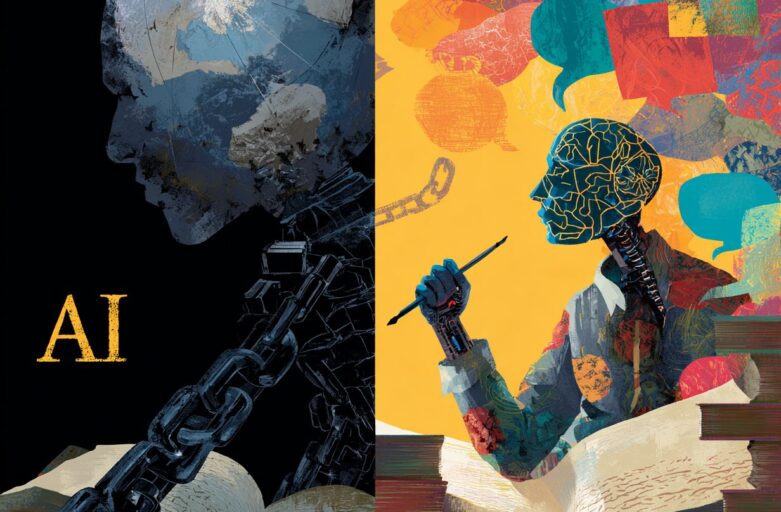
Imagine waking up in a world where your every word is monitored, yet at the same time, you have access to a wealth of ideas and voices like never before. That’s the paradox we face with AI today. As I dive into this complex relationship, I’ll explore how AI can both stifle and enhance our freedom of expression. From censorship and surveillance to opening doors for diverse perspectives, the stakes couldn’t be higher. Curious to see where this balance leads us? Let’s unpack it together!
Defining Free Expression
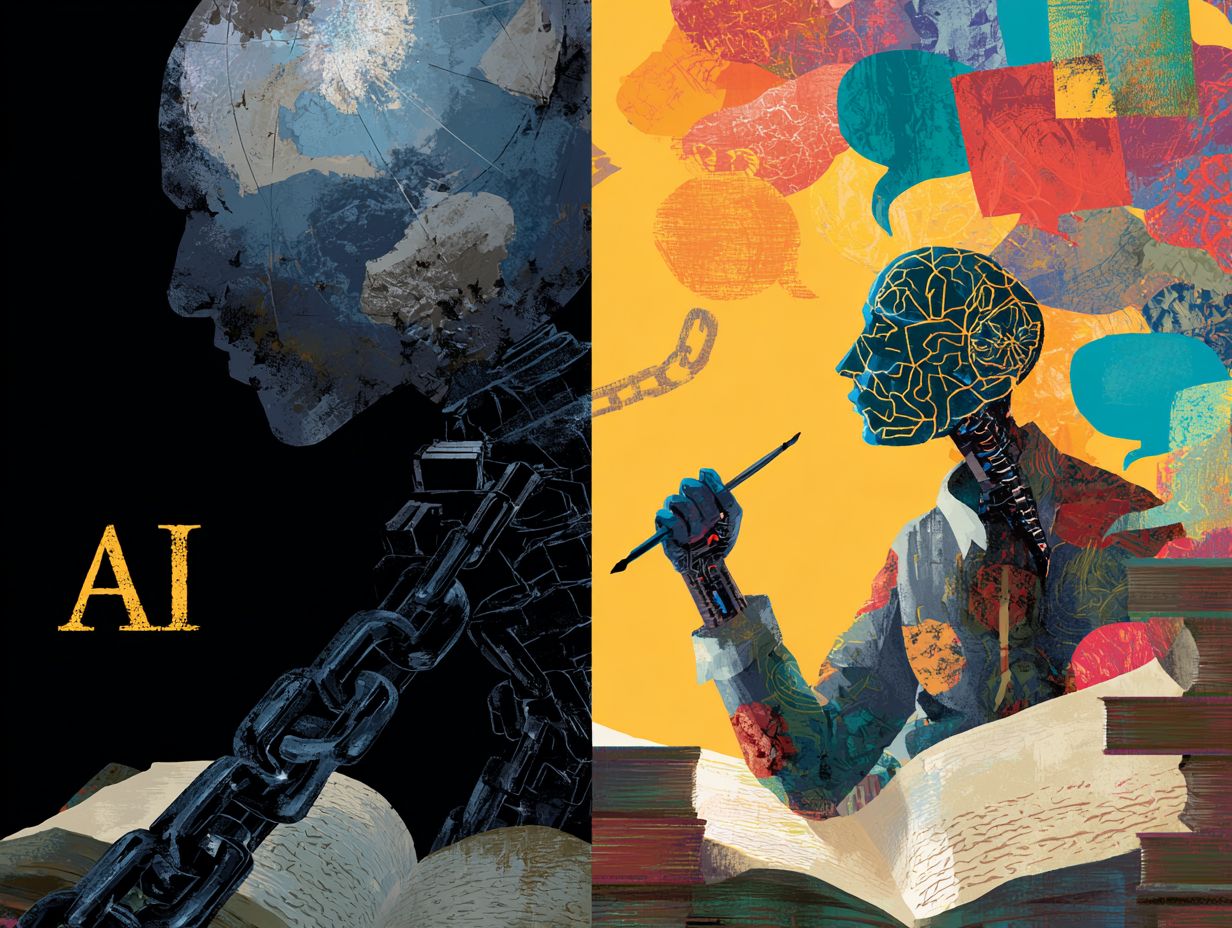
Free expression is all about my right to share ideas without any censorship, and I really believe it’s crucial for democracy, digital rights, and human rights, especially in the online world. In democratic societies, it helps create open dialogue, allowing us to challenge authority and get involved in governance.
But things get a bit tricky with digital communication. The rapid spread of information can boost positive ideas, but it can also spread harmful misinformation. To tackle these challenges, I often turn to tools like fact-checking platforms-think Snopes or FactCheck.org-and I try to get involved in digital literacy programs. These resources help me and others figure out which sources are credible.
Finding that balance is super important. It ensures that everyone gets a chance to be heard while also keeping the information we share online trustworthy and reliable, maintaining digital freedom.
The Role of AI in Modern Society
AI technology is really making waves, and it’s projected to hit a market value of $1 trillion by 2030. It’s playing a huge role in how information spreads across different platforms.
I’ve noticed that the integration of AI in fields like journalism, marketing, and education has really sped up content creation and made it way more personalized. For example, news agencies are now using AI algorithms to curate articles that match what readers prefer, which definitely boosts engagement.
In the marketing world, tools like HubSpot are leveraging AI for predictive analytics, allowing them to tailor campaigns to fit user behavior perfectly.
But there’s a bit of a warning here. Relying too much on AI can lead to misinformation if the algorithms focus more on speed than accuracy. So, while AI is driving innovation, it’s super important to keep a watchful eye to maintain the integrity of public discourse and protect digital expression.
AI as a Threat to Free Expression
I find that while AI brings some amazing transformative capabilities, it also presents some serious threats to the integrity of free expression around the world.
Content Moderation and Censorship
I’ve noticed that automated content moderation systems can sometimes unintentionally stifle free expression. Take YouTube, for example; its algorithm has been known to mistakenly flag independent news channels as inappropriate. This usually happens because the algorithms just can’t grasp the context, which leads to some pretty significant consequences for creators.
For instance, I came across a study showing that videos from independent journalists were flagged over 60% of the time for supposed violations. And the fallout? Demonetization and reduced visibility, which can seriously hit an independent creator’s livelihood and their ability to maintain free speech.
To tackle this issue, I think creators should consider diversifying their platforms-like using Vimeo or Patreon-to reach audiences that aren’t as impacted by these pesky algorithms. Plus, advocating for clearer moderation policies and appealing flagged content can really help protect against these automated mistakes.
Surveillance and Privacy Concerns
Surveillance technologies powered by AI, like facial recognition, really make me pause and think about personal privacy and data protection. I mean, it’s concerning when studies show that about 70% of people in the U.S. disapprove of it.
Many countries are grappling with the legality and ethical implications of AI surveillance, especially concerning privacy and autonomy. Take the European Union, for example; their General Data Protection Regulation (GDPR) has set some pretty strict guidelines around data privacy and consent, which has sparked debates about using facial recognition in public spaces.
In the U.S., San Francisco took a stand and became the first city to ban facial recognition technologies back in 2019, citing concerns over civil liberties. Plus, there are ongoing lawsuits about the use of AI surveillance in schools and by law enforcement that are really getting people talking about how to balance safety with individual rights and digital citizenship.
AI as an Ally for Free Expression
Even though there are challenges, I see AI as a key ally in promoting free expression.
It really helps to make information more accessible and brings a variety of voices to the forefront, enriching public discourse.
Enhancing Access to Information
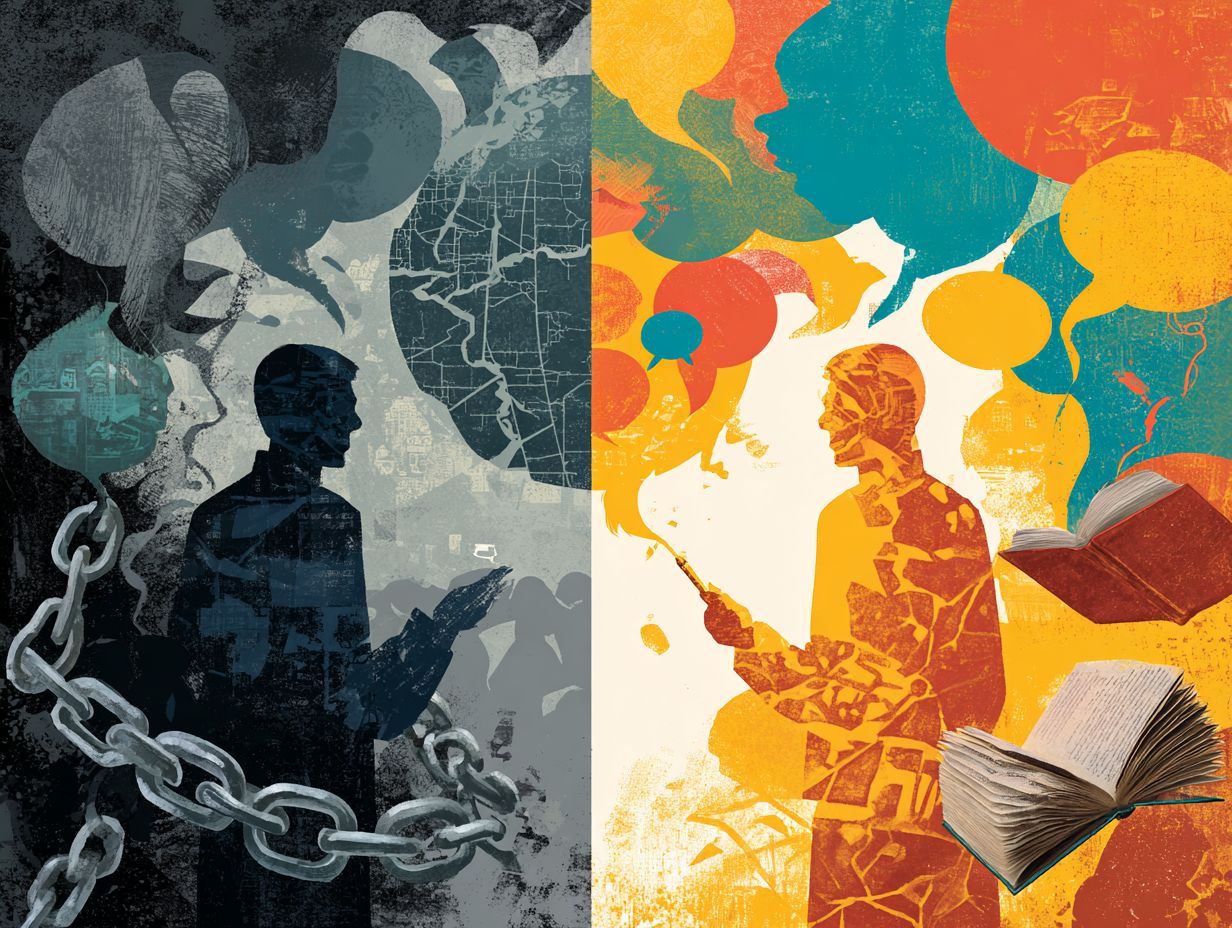
AI tools like chatbots and search algorithms really make it easier for everyone to get the information they need quickly, which is super important for making informed decisions.
For example, Google’s natural language processing algorithms let me ask questions just like I would in a conversation, and that usually leads to much more relevant search results.
Chatbots like Drift or Intercom are fantastic because they provide instant support on websites, helping me find answers to FAQs or product inquiries without any hassle.
Then there’s IBM Watson, which is using AI to sift through massive datasets and uncover insights that would otherwise be buried in all that complex information.
All these technologies work together to improve how we access information, making it simpler to find knowledge and helping us make better decisions along the way.
Facilitating Diverse Voices
AI platforms like Medium really enable me to share a variety of narratives, which helps broaden the range of voices in public discourse, especially for marginalized groups. I love how these platforms use algorithms to shine a spotlight on content from underrepresented authors, ensuring their stories get the visibility they deserve, thus promoting intellectual freedom.
For example, Medium’s tagging system makes it super easy for me to categorize my work, so readers interested in specific topics can easily find diverse viewpoints. Tools like WriteWithAlexa also give me tailored AI assistance, which helps enhance my writing quality and promotes inclusivity.
Plus, by encouraging collaboration through features like comment threads and sharing suggestions, these platforms not only enrich the conversation but also foster a culture of inclusivity, inviting even more voices to join the dialogue.
The Balance of Power
I believe finding a balance in the power dynamics of AI’s influence on free expression is really important for keeping our democratic values and ethical standards intact.
Ethical Considerations in AI Development
I find it fascinating how developing ethical AI frameworks, like the EU’s proposed AI Act, really focuses on ensuring that algorithms are all about transparency and accountability in decision-making.
These frameworks highlight important principles like fairness, privacy protection, and non-discrimination. For example, developers are encouraged to use auditing tools like AI Fairness 360, which helps spot any bias in models before they go live.
I also think it’s crucial to have transparent reporting mechanisms in place so users can grasp how decisions are made. Organizations can boost their efforts by regularly consulting with stakeholders to fine-tune their AI strategies, making sure to consider a variety of perspectives.
By promoting accountability through these approaches, we can better safeguard free expression and uphold societal values as we navigate the age of AI.
Regulatory Frameworks
I’ve noticed that countries are starting to roll out regulatory frameworks to tackle the negative impacts of AI on free expression, like Germany’s Network Enforcement Act. It’s pretty interesting that, alongside Germany, the European Union is proposing the AI Act, which aims to classify AI systems based on their risk levels. This means stricter regulations for those high-risk applications.
Meanwhile, over in the United States, they’re looking into sector-specific guidelines through agencies like the Federal Trade Commission to address issues around bias and privacy. Each of these frameworks has its strengths-like the EU’s thorough risk assessment approach-but they also face challenges, particularly when it comes to ensuring compliance without stifling innovation.
It really highlights how important international cooperation is to effectively protect digital rights on a global scale.
Case Studies
When I look at real-world examples of AI’s role, I see a mix of success stories and cautionary tales, especially when it comes to free expression.
Success Stories of AI Supporting Free Speech
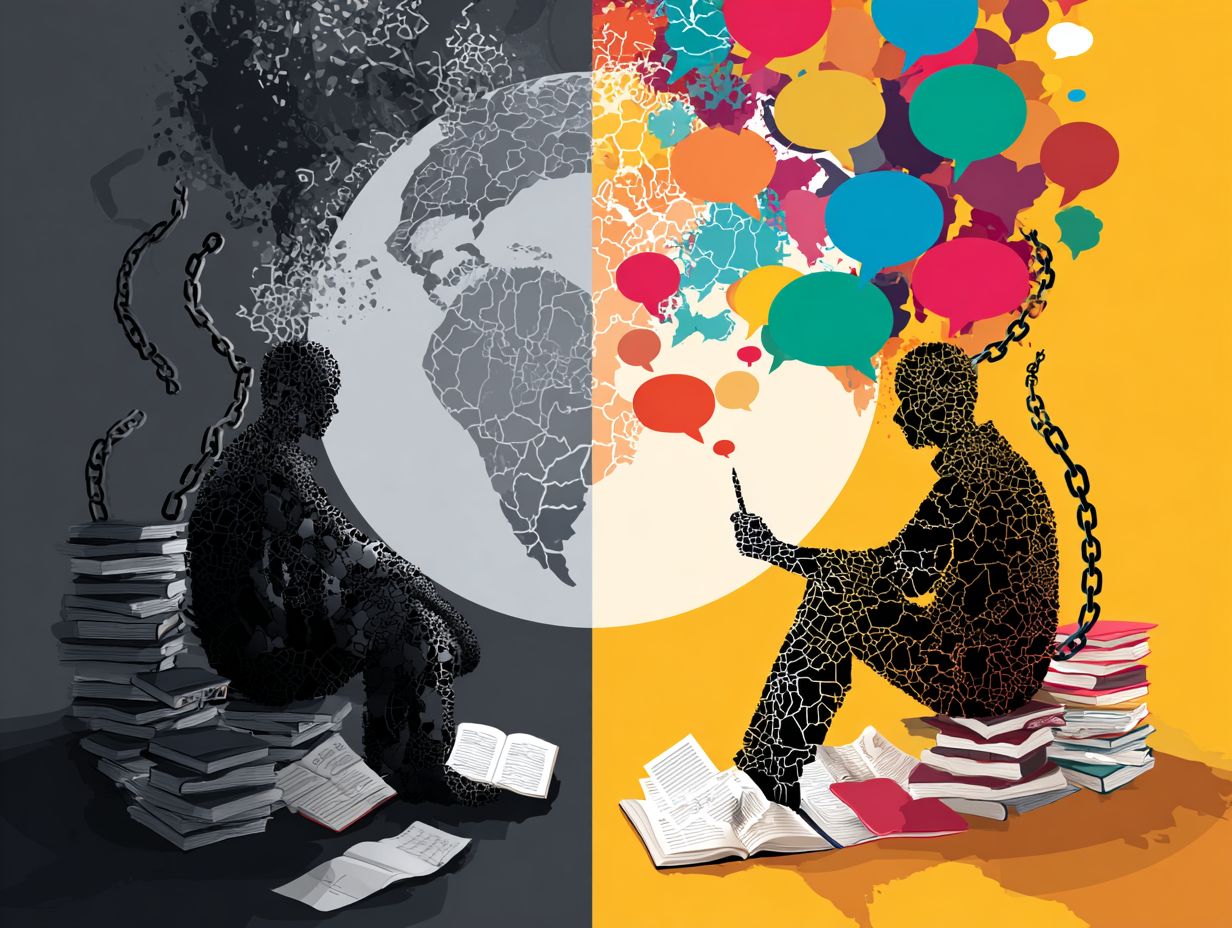
I’ve seen how campaigns like #MeToo have really tapped into AI-driven analytics to amplify voices and rally support for social justice issues, and it’s impressive to see AI’s potential in advocacy.
Take the #MeToo movement, for example. They used sentiment analysis tools like Brandwatch to get a read on public reactions and pinpoint key influencers. This data-driven approach allowed the organizers to craft messages that really hit home, resulting in a massive surge in social media engagement-over 19 million tweets in just a month!
Then there are AI tools like Hootsuite’s Insights, which helped track hashtag usage and connect grassroots voices to bigger media stories. By analyzing engagement metrics and tweaking their strategies on the fly, these campaigns have done an amazing job of sparking a global conversation about harassment and inequality, leveraging digital activism.
Instances of AI Misuse Against Free Expression
I can’t help but notice how instances like the blocking of prominent activists’ accounts show just how AI can be used against free expression, sparking major backlash and protests, affecting speech rights and online discourse.
Take the controversial suspension of climate change activists’ accounts on social media platforms, for example. That move stirred up a storm of criticism and left many calling for more transparency in AI moderation and ethical AI practices.
It’s a real mess when tools like automated content filters, which are meant to cut down on hate speech, end up silencing legitimate voices, leading to speech suppression and affecting opposition. As a result, digital platforms found themselves under pressure from advocacy groups and the public to take a closer look at their algorithms and AI ethics.
In response, Twitter has even introduced appeals processes, allowing users to contest unfair decisions. This shows how important it is to find a balance between moderation and freedom of speech and user rights.
Future Implications
I’m really interested in how the evolution of AI technologies and machine learning will shape the way we express ourselves and engage in public discussions.
It’s fascinating to think about the societal impact it will have on free expression and the conversations we have as a society.
Emerging Technologies and Trends
I’ve noticed that technologies like deep learning and neural networks are really changing the game when it comes to how we create and share information, and it has some serious implications for free expression and AI implications. Just think about AI-driven tools like ChatGPT and Jasper-they’re completely revolutionizing user-generated content and content generation. I can whip up articles, marketing copy, and social media posts in no time at all.
These tools use algorithms that have been trained on huge datasets, which lets them mimic human writing styles pretty convincingly. But with this flood of AI-generated content, I can’t help but worry about issues like authenticity and misinformation campaigns and disinformation.
As these technologies keep evolving, I feel it’s crucial for society to adapt by prioritizing digital literacy and critical thinking and media literacy. We all need to be equipped to tell the difference between what’s real and what’s churned out by machines, ensuring that our communication stays informed in this AI-centric world and digital landscape.
Strategies for Safeguarding Free Expression
I really believe that effective strategies like digital literacy initiatives and community advocacy programs are key to protecting free expression, especially with all the advancements in AI and safeguarding online identity.
One practical approach I think is super effective is launching digital literacy campaigns to educate users about the ins and outs of online censorship and misinformation and AI governance.
For example, hosting workshops that teach critical thinking and fact-checking can really enable people to navigate information better and understand AI regulation.
Community advocacy groups can also step up by organizing events that raise awareness about free speech and freedom of assembly. They can showcase success stories from places where free expression has truly thrived.
Take the ‘Free Speech Week’ initiative, for instance-it gets local communities involved in discussions and actions that support democratic values and the right to express opinions freely and empowered communication technologies.
Frequently Asked Questions
1. How can AI be a threat to free expression?
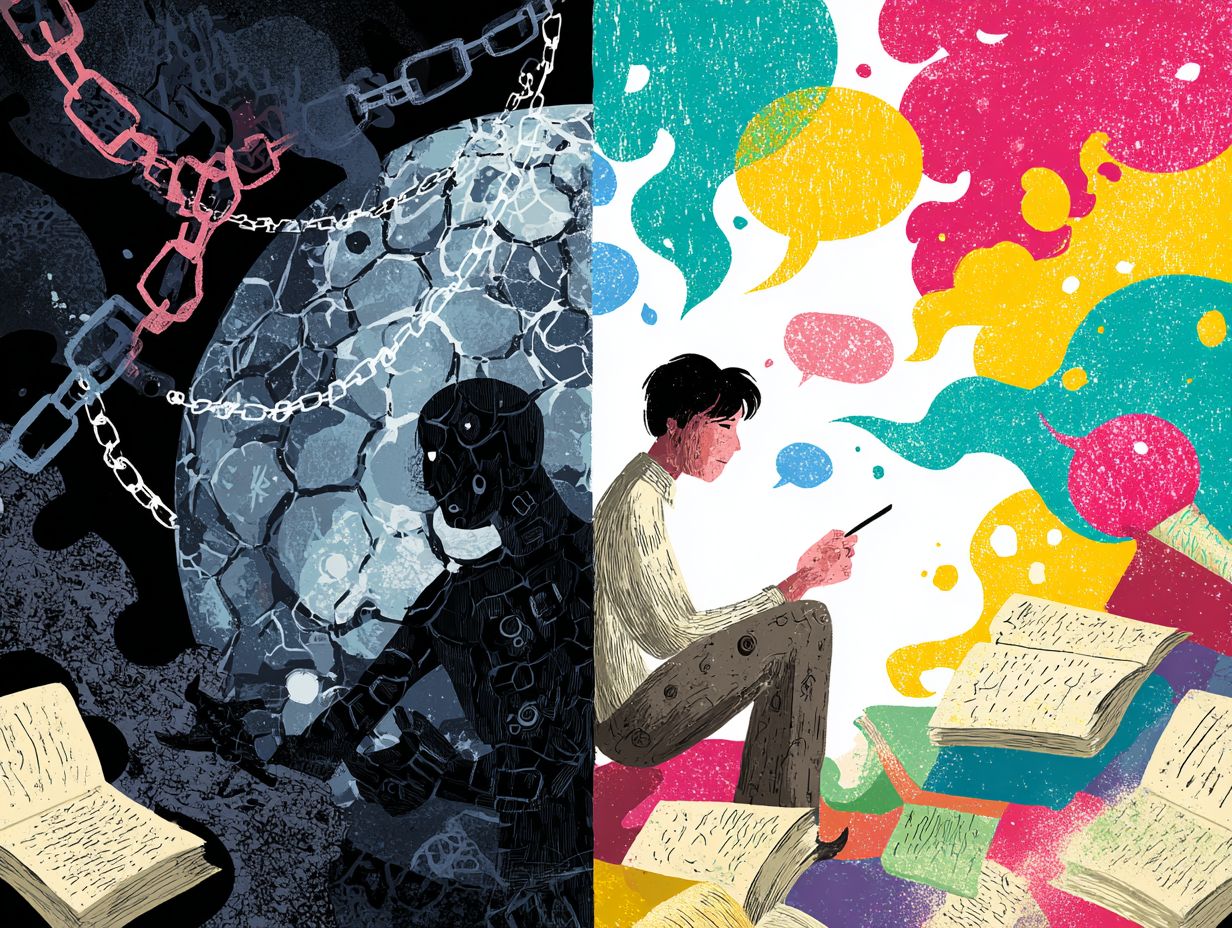
AI can be a threat to free expression by filtering or censoring information, creating echo chambers, and amplifying certain voices while silencing others, leading to censorship resistance. This can limit the diversity of ideas and perspectives that are allowed to be heard in the public sphere.
2. In what ways can AI be an ally in the fight for free expression?
AI can be an ally in the fight for free expression by identifying and flagging hate speech and misinformation, ensuring that diverse voices are represented and heard, and providing access to information and resources for marginalized communities and rights protection.
3. How does AI contribute to the spread of fake news?
AI can contribute to the spread of fake news by using algorithms and targeted advertising to promote and prioritize sensational or biased information, making it more likely to be shared and believed by users, affecting conversation moderation. This can create a distorted public discourse and hinder the spread of accurate information.
4. Can AI be programmed to promote certain political agendas?
Yes, AI can be programmed to promote certain political agendas by using user data and algorithms to target individuals with specific messages or manipulate the public’s perception of political issues and influence thought diversity. This can limit the diversity of viewpoints and potentially sway public opinion in favor of a certain agenda.
5. How can AI be used to censor free speech?
AI can be used to censor free speech by automatically flagging and removing content deemed inappropriate or offensive without human oversight, impacting freedom of information. This can lead to the silencing of valid opinions and perspectives, and can be particularly harmful to marginalized groups whose voices are already underrepresented.
6. Is there a way to regulate the use of AI in the fight for free expression?
Yes, there are ways to regulate the use of AI in the fight for free expression, such as implementing transparent and ethical algorithms, providing oversight and accountability for AI systems, and ensuring diversity and inclusivity in the development and use of AI technology and stakeholder engagement. This can help prevent the negative impacts of AI on free expression and promote a more fair and balanced public discourse.
Want to keep exploring the fight for free expression and digital rights? Visit the BertrandPancher.com home page for more in-depth articles, fresh perspectives, and resources on protecting free speech in the modern world.