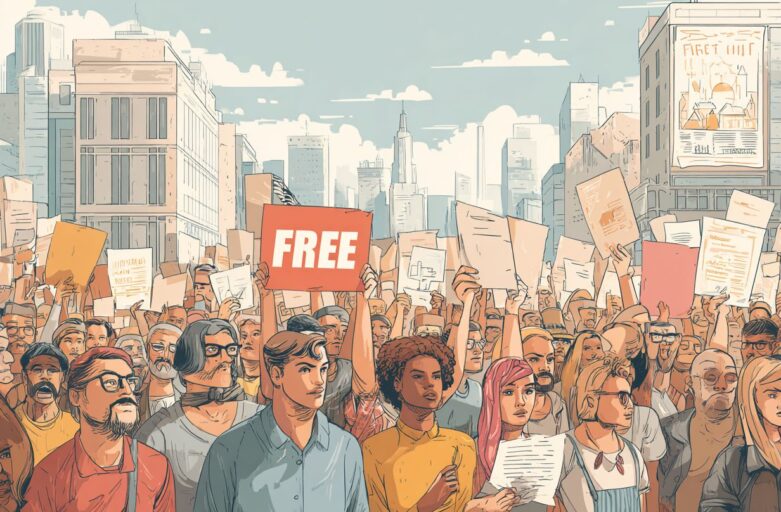
Imagine waking up to a world where your voice is silenced and the stories that shape your community are hidden from view. That’s why understanding the connection between civic engagement, a strong free press, and unfettered speech is crucial. As I dive into how a vibrant media landscape informs us, holds power accountable, and protects diverse opinions, I can’t help but wonder: how can we strengthen our civic participation when these pillars are under threat? Let’s explore this together!
Definition and Importance of Civic Engagement
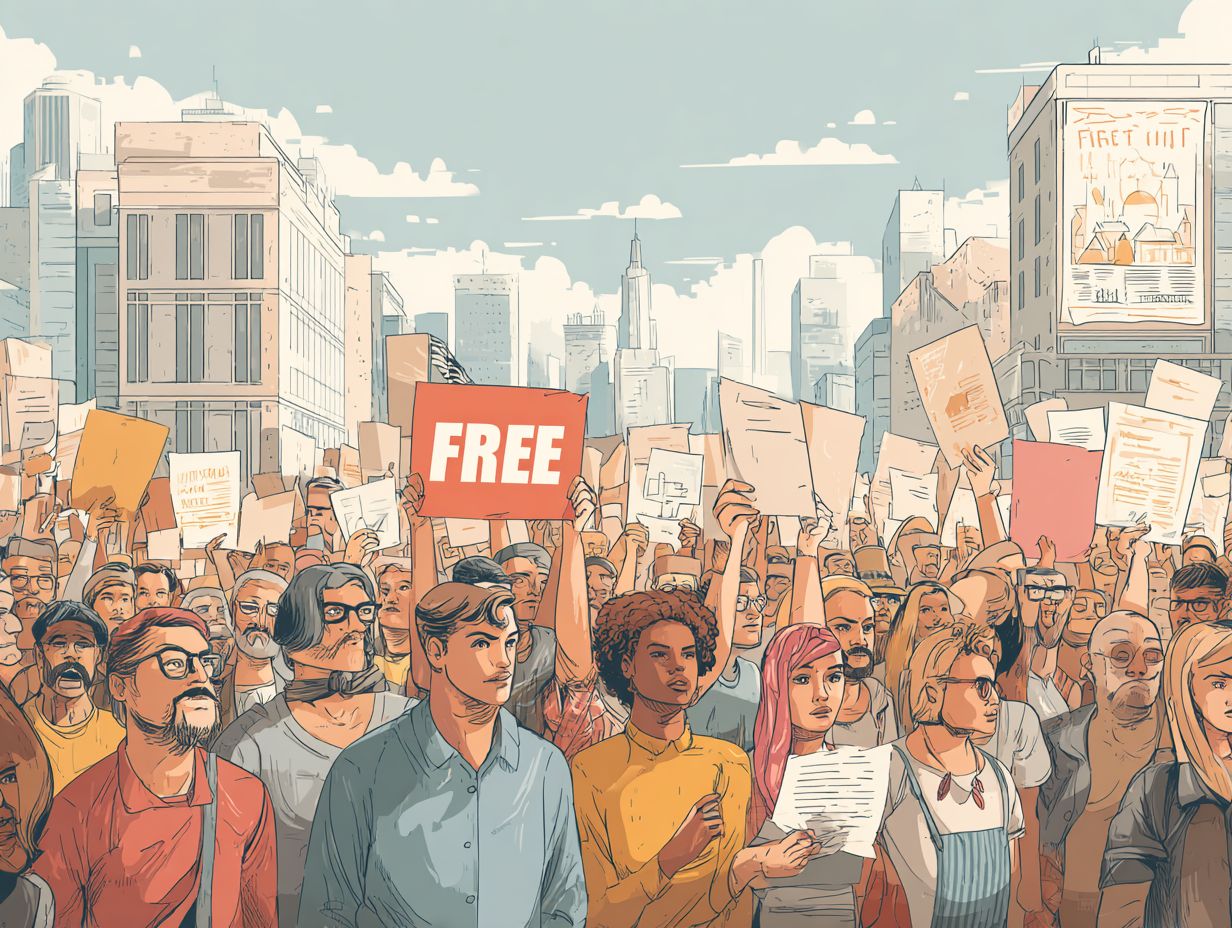
Civic engagement and empowerment are all about how I can get involved in my community and have a say in public policy. It covers everything from voting to advocacy and is super important for promoting political accountability, transparency initiatives, and making sure everyone is well-informed.
For example, I’ve seen studies that show when local organizations actively encourage people to participate, voter turnout can jump by as much as 15%. That really puts a spotlight on the power of grassroots campaigns and community outreach in motivating folks like me to step up.
Using civic technology tools like online surveys or community forums is a great way to understand what people think, and social media platforms help broaden the conversation with updates that keep everyone in the loop.
By sparking discussions and making crucial information accessible, we can create a more informed citizenry and engaged electorate together.
Current Trends in Civic Participation
I’ve been noticing how technology and social media are totally changing the game when it comes to civic participation. Grassroots movements and civic networks are really picking up steam thanks to digital platforms.
Take Change.org, for example; it’s a perfect illustration of this shift. Users can whip up petitions that often snag millions of signatures. I mean, remember that petition against gun violence in 2018? It racked up over 3 million signatures in just a few weeks!
And let’s not forget about Twitter and Facebook. They’ve become powerful tools for spreading awareness and gathering support, letting movements reach a global audience in real time.
Plus, activists can use tools like Canva to whip up eye-catching graphics that really help drive their message home and engage supporters in a fun and visual way.
The Role of a Free Press
I believe a free press is essential for a democratic society. It serves as a watchdog role and keeps the public informed about important issues and government actions.
Informing the Public
I believe ethical journalism plays a vital role in informing the public, helping them make educated decisions about their lives and communities.
Investigative journalism, in particular, is super important when it comes to uncovering corruption and promoting transparency. I think back to the Watergate scandal, where journalists Bob Woodward and Carl Bernstein exposed a cover-up connected to the Nixon administration. Their work ultimately led to President Nixon’s resignation.
This whole situation really underscored the importance of checks and balances in government and reinforced just how crucial the press is in protecting democracy.
By shining a light on these truths, investigative journalism holds powerful entities accountable, builds public trust, and encourages people to get involved. It all contributes to creating a more informed society focused on social justice, and that’s something I really value.
Holding Power Accountable
I really believe that watchdog journalism is crucial for keeping powerful institutions in check by exposing wrongdoing and pushing for transparency. Investigative journalists have a whole toolbox of strategies and techniques to effectively challenge these institutions.
For example, I’ve seen how recent cases of corporate fraud have underscored the value of data analysis and public records.
They often use platforms like ProPublica’s DocumentCloud to organize and analyze documents, which really helps in uncovering discrepancies. Working with whistleblowers can also provide critical insights that might otherwise stay hidden.
Sometimes, journalists bring in legal experts to help them navigate the tricky waters of corporate accountability laws, ensuring that their findings are credible and actionable. This work not only raises public awareness but also sparks the necessary reforms we all want to see.
Unfettered Speech as a Foundation for Freedom of Expression
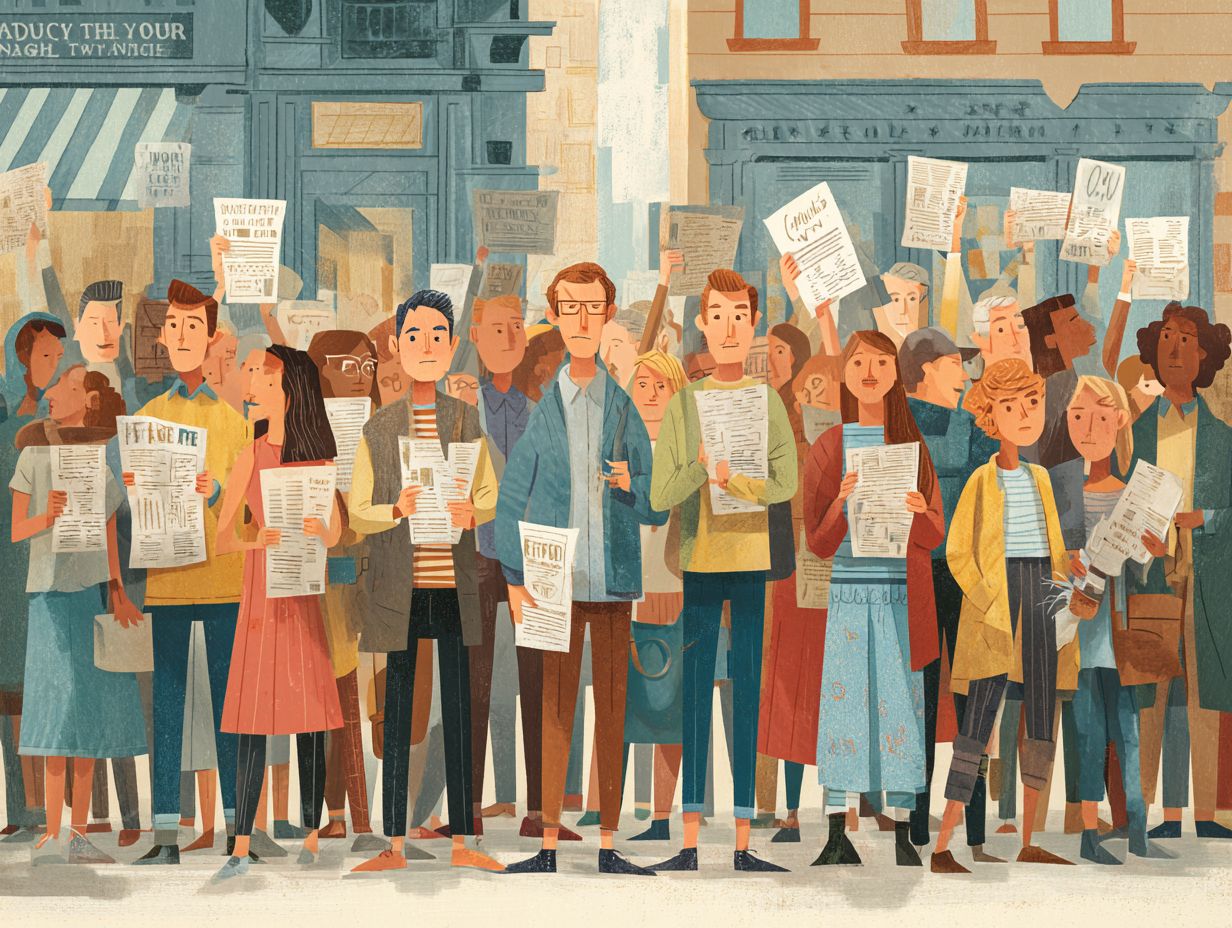
I really believe that unfettered speech is the cornerstone of democracy.
It allows for open dialogue and the sharing of diverse opinions, which truly enriches public discourse.
Encouraging Open Dialogue
I really believe that encouraging open dialogue is key to building understanding and collaboration among everyone in the community. It creates a space for a lively exchange of ideas.
One great way to make this happen is by organizing community forums where residents can share their opinions and concerns directly with local leaders, fostering civic dialogue.
For example, I heard about a town in Oregon that started holding monthly forums, and it actually helped them solve some long-standing issues around public safety.
Town hall meetings, like the ones they have in Boston, are another fantastic way for citizens to connect with officials and share their thoughts on policy changes.
Plus, using platforms like Nextdoor really helps to keep those discussions going online, making sure that every community voice gets heard and valued.
Protecting Minority Opinions
Protecting minority opinions is really important for keeping a balanced public conversation and making sure underrepresented voices don’t get pushed aside, supporting rights advocacy.
I think media organizations can take a few steps to uplift these minority perspectives.
First off, they could set up community advisory boards to help guide editorial decisions and ensure diverse representation. It’s all about hearing from different voices, right? Investing in training for journalists on cultural competency is another great move; it can really help improve sensitivity and awareness in their reporting.
One inspiring example I love is ‘The Marshall Project.’ They do a fantastic job of covering criminal justice issues that affect marginalized groups. Plus, by using multimedia storytelling-think podcasts or visual journalism-organizations can really amplify these voices and engage broader audiences. It’s all about making sure everyone gets heard!
The Interconnection Between Press Freedom and Unfettered Speech
I find that the relationship between press freedom and free speech really goes hand in hand. Both are crucial parts of a thriving democracy, and they support each other in so many ways.
Mutual Reinforcement and Media Freedom
I really believe that press freedom and free speech play a huge role in reinforcing civic responsibility and freedom of information because they keep us informed and enabled to take action in our communities.
When the press shines a light on local issues, it helps raise awareness and can boost civic engagement. Take that 2021 survey, for instance-it showed that places with strong media coverage experienced a 30% increase in voter turnout during elections.
I also see how community forums and online discussions fueled by news articles can spark grassroots initiatives and local advocacy. It’s pretty cool how tools like social media and citizen journalism platforms amplify these conversations, giving more people the chance to voice their opinions and get actively involved in decision-making processes.
Case Studies of Impact
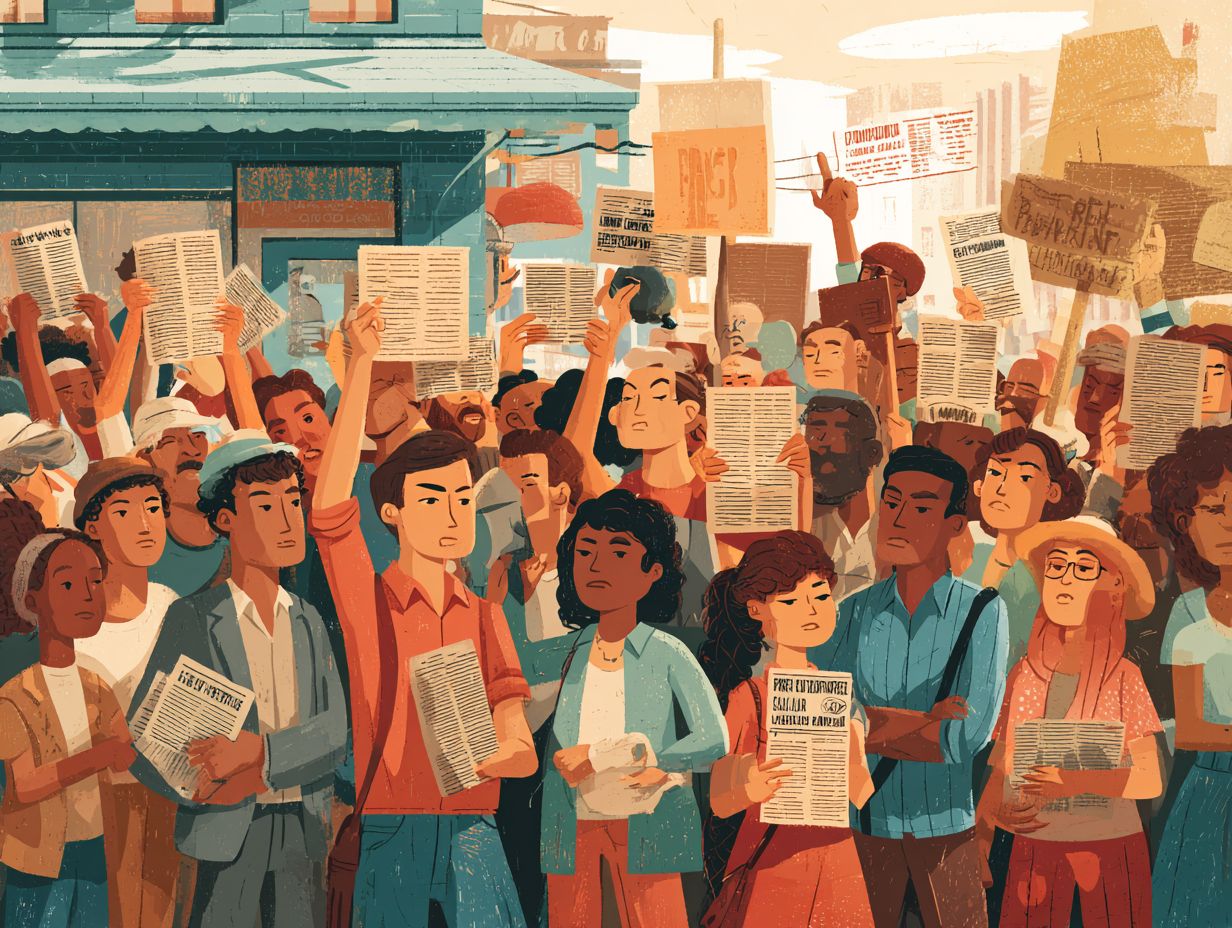
I’ve seen case studies that really show how effective journalism can spark significant social and political change, highlighting just how powerful a free press can be.
Take the #MeToo movement, for instance. It gained a lot of traction thanks to extensive media coverage. Journalists like Ronan Farrow did some serious investigative reporting that uncovered the extent of sexual harassment in Hollywood. This really got people talking and led to changes in workplace policies.
Then there’s the Flint water crisis, which was another eye-opener. The coverage brought to light the systemic neglect and environmental injustice happening there, ultimately pushing for federal intervention and funding for infrastructure improvements.
These examples really demonstrate how dedicated journalism does more than just keep us informed; it can actually drive important changes in policy and shift societal norms.
Challenges to Free Press and Unfettered Speech
Even though I recognize how crucial free press and free speech are, I see that they face a lot of challenges that really threaten their effectiveness in a democratic society.
Government Regulations
I’ve noticed that government regulations can really stifle free speech and press freedom, which ends up leaving the public less informed and reducing accountability.
Take the Foreign Agents Registration Act (FARA), for instance. It requires individuals representing foreign entities to disclose their relationships. While the intention is to boost transparency, it often ends up making life harder for journalists, limiting their ability to cover international issues.
I’ve seen statistics showing that when regulation levels are high, trust in the media drops to just 34%. That definitely signals a link between strict regulations and public skepticism. It’s clear to me that reforming these laws is crucial if we want to maintain a vibrant and independent press that can truly inform citizens.
Corporate Influence on News Media
I see how corporate influence on media can lead to biased reporting and conflicts of interest, which really undermines the integrity of journalism.
Take the recent telecom mergers, like the AT&T-Time Warner deal, for example. These massive companies often seem to care more about profits and shareholder value than about providing diverse and independent reporting.
After that merger, I noticed critics pointing out a potential shift in what gets covered, with narratives often favoring corporate interests. It’s interesting to look at how coverage of important issues, like net neutrality or telecom regulations, can change based on who owns the media outlet.
That’s why I think it’s crucial to engage with a variety of independent media sources. It helps counteract those biases and encourages more meaningful public discussions.
Strengthening Civic Engagement
To really boost civic engagement, I believe communities need to create spaces that invite participation and open dialogue among citizens. One great way to do this is by forming local advocacy groups that focus on specific issues, like sustainability or education.
These groups can harness the power of social media to rally support and share updates, which really cranks up engagement.
For example, I came across a recent study that found communities with active Facebook groups experienced a 30% increase in participation at local town hall meetings. That’s pretty impressive!
Plus, organizing community events like forums or workshops gives citizens a structured way to voice their concerns and helps foster a sense of ownership and active involvement in local governance. It’s all about creating that connection and making sure everyone feels heard.
Advocating for Press Freedom
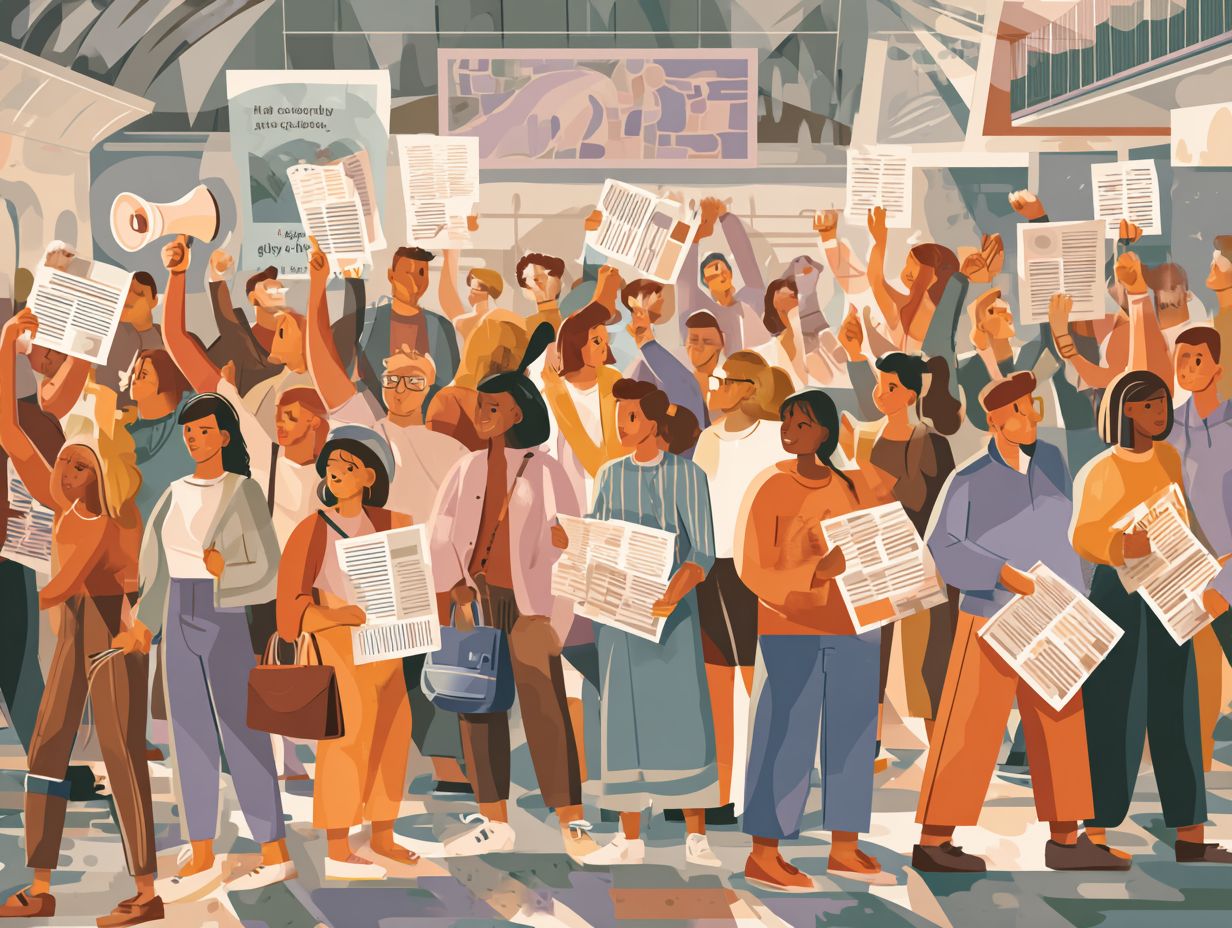
Advocating for press freedom is all about supporting ethical journalism and making sure media organizations are held accountable for their reporting.
One of the best ways I can help out is by donating to non-profit organizations like the Committee to Protect Journalists or Reporters Without Borders. They do amazing work protecting journalists and promoting press freedom around the world.
I also think getting involved in media literacy programs is super important. These programs can really help people develop critical thinking skills, making it easier for them to tell the difference between credible news and misinformation.
Plus, participating in advocacy campaigns like the #FreeThePress movement can be a great way to raise awareness and rally community support for journalists who are facing persecution. By taking these steps, I’m helping to strengthen the foundation of a free and vibrant press.
Frequently Asked Questions
Why is civic engagement important?
Civic engagement refers to the active participation of individuals in their communities and in the democratic process. It is important because it helps to promote a strong and functioning society where individuals are informed, involved, and have a voice in decision-making processes.
What role does the free press play in civic engagement?
The free press serves as a watchdog for the government and provides citizens with accurate and unbiased information. This allows individuals to make informed decisions and hold their leaders accountable, which is crucial for a healthy and engaged society.
How does a strong free press support civic engagement?
A strong free press provides a platform for diverse voices and opinions to be heard. It allows for open and honest discussions on important issues and helps to foster a sense of community and shared responsibility among citizens.
Why is unfettered speech important for civic engagement?
Unfettered speech, or the freedom of expression, is a fundamental right that allows individuals to voice their opinions and participate in public discourse. It is essential for a thriving democracy and encourages citizens to actively engage in their communities and hold their leaders accountable.
What happens when there are restrictions on the free press and unfettered speech?
When the free press is restricted and speech is censored, it can lead to a lack of transparency and accountability in government. This can also stifle public discourse and limit the diversity of opinions and ideas, hindering civic engagement and potentially jeopardizing democracy.
How can individuals support a strong free press and unfettered speech?
Individuals can support a strong free press and unfettered speech by staying informed, actively participating in discussions and debates, and advocating for the protection of these fundamental rights. It is also important to support reputable and trustworthy sources of information.
Want to keep exploring the fight for free expression and digital rights? Visit the BertrandPancher.com home page for more in-depth articles, fresh perspectives, and resources on protecting free speech in the modern world.