Ever felt like your content is getting lost in the shuffle, even though you’re pouring your heart into it? That’s shadowbanning at work, a sneaky tactic that quietly sidelines creators without a word. Understanding why this happens is crucial-it can deeply affect our visibility and mental health. In this piece, I’ll dive into what shadowbanning is, how platforms enforce it, its impact on us creators, and what we can do about it. Let’s uncover the shadows together!
Definition and Overview
Shadowbanning, a form of silent suppression, is when my content gets restricted or hidden from others without me even knowing it, which can really kill my reach and engagement without any heads-up. This whole practice has created quite a stir, especially on social media platforms like Instagram and Twitter.
Take Instagram, for example. They’ve faced a ton of criticism for allegedly limiting the visibility of posts that use certain hashtags or come from accounts not following community guidelines, affecting user engagement and content visibility.
Then there’s Twitter, which has also been in hot water for making tweets from accounts suspected of spamming or breaching their terms of service less visible. This shadow visibility leaves creators puzzled. It’s frustrating when I notice my posts getting fewer likes and comments, and I’m left scratching my head, wondering what went wrong, all without any clear communication from these platforms.
Historical Context
I remember when the whole idea of shadowbanning, a form of content suppression, popped up back in early 2015. It started gaining traction as different platforms tried to tackle harmful content, but in the process, they ended up affecting genuine digital creators like myself.
At first, platforms like Instagram and Twitter used shadowbanning as a sneaky way to limit reach without giving anyone a heads-up.
There were some pretty notable incidents, like the 2017 uproar involving well-known political figures, which kicked off a lot of debates about where to draw the line between censorship and community guidelines.
As social media kept evolving, platforms started to roll out clearer policies, trying to strike a balance between user behavior and how transparent their algorithms were.
This shift made people more vigilant, leading to calls for clearer communication about account restrictions. It ultimately played a big role in shaping the community standards and user expectations we deal with today.
Mechanisms of Shadowbanning
I find it really important to understand how platforms implement shadowbans and the algorithmic bias involved so I can navigate my digital presence effectively.
It’s all about knowing the rules of the game!
How Platforms Implement Shadowbans
Platforms like Instagram and Facebook have these complex algorithms that are on the lookout for content that breaks community guidelines, and honestly, this can lead to shadowbanning and reach restrictions without any heads-up.
These algorithms are pretty smart; they dig into user behavior by checking out engagement metrics like likes, comments, and shares, and they also pay attention to reports from other users. If they spot patterns of negative interactions-like a bunch of people mass reporting someone-they can automatically limit that user’s visibility. So, if my content gets a lot of negative feedback, it might get hidden from my audience thanks to some algorithm magic.
To keep the risk of shadowbanning at bay, I make sure my content fits the community standards, engage genuinely with my audience, and steer clear of any banned hashtags. It’s all about staying in the good graces of the platforms!
Types of Shadowbans
Shadowbans can hit in a bunch of different ways, like drops in engagement, visibility issues, and even hashtag bans, and they definitely affect digital creators in unique ways.
For me, engagement drops show up when I notice fewer likes and comments on my posts, and honestly, it’s pretty frustrating and confusing. Visibility restrictions mean my content isn’t showing up in searches or recommendations, which really puts a damper on audience growth. I’ve had times when my posts felt invisible to potential new followers, and that just stunts my reach. And don’t get me started on hashtag bans-when I can’t appear in hashtag searches, it’s like I’m cut off from connecting with those niche audiences I really want to reach.
To tackle these issues, I make it a habit to regularly check my analytics, actively engage with my audience, and reassess my content strategies every now and then to make sure I’m staying in line with the platform guidelines.
Impact on Creators
I’ve seen how shadowbanning can really hit content creators hard. It can mess with their engagement metrics and take a toll on their overall mental health.
It’s a big deal that often gets overlooked.
Loss of Visibility
I’ve seen plenty of creators talking about how their post visibility just tanks, with engagement dropping by as much as 90% after getting shadowbanned. It’s crazy how much that can hurt. This drop in visibility can happen for a bunch of reasons, like changes in platform algorithms, posting inappropriate content, or going overboard with self-promotion.
Take a fashion influencer, for example-they might find that their posts are only getting a handful of likes instead of the hundreds they’re used to, all because a hashtag got flagged.
To tackle this issue, it’s important for creators like me to dive into the analytics and check out engagement metrics like reach, likes, and comments. Using tools like Hootsuite or Buffer makes it easier to track these numbers over time, so I can tweak my content strategy and get that audience interaction back on track.
Emotional and Psychological Effects
The emotional toll of shadowbanning can be pretty intense. I’ve felt the anxiety, frustration, and isolation that come from seeing my audience interaction drop off. It can be tough to deal with. But I’ve found that there are some actionable steps I can take to combat these feelings.
- First, I like to analyze my engagement metrics to spot any sudden drops in visibility. This helps me tweak my content strategy and get back on track.
- Then, I make sure to connect with my community through direct messages or polls. It really helps to foster those connections and remind myself of my value.
For instance, I remember when artist Sarah Jones shared her experience of losing followers quickly. She decided to start monthly Q&A sessions, and that really reignited her audience’s interest.
I also rely on analytics tools like Hootsuite or Sprout Social to guide my content improvements based on what my audience prefers. It definitely takes some of the emotional weight off when I can see that I’m making progress instead of feeling like I’m failing.
Identifying Shadowbanning
I find it really important to recognize the signs of shadowbanning, especially if I want to regain control of my online presence as a creator and manage my digital identity effectively.
Signs a Creator is Shadowbanned
I’ve started to notice some common signs of shadowbanning, like sudden drops in engagement, my posts disappearing from follower feeds, and hashtags not getting the reach they used to. It’s a bit concerning, honestly.
Here are a few other things I keep an eye out for:
- My follower growth takes a nosedive, even though I’m posting consistently or even more often.
- My posts just don’t show up on the ‘Explore’ page or similar discovery sections.
- I get notifications that some of my posts were removed for supposedly violating community guidelines, and they don’t even give me a reason.
- I can’t tag or engage with certain accounts, which feels really weird.
- My analytics start looking off, showing a huge gap between views and likes.
If I start noticing these patterns, I think it’s time to take a step back and rethink my content and engagement strategies to try and turn things around.
Tools and Methods for Detection
When I’m trying to figure out if I’m dealing with shadowbanning, I rely on tools like Shadowban.eu and Instagram’s own insights. They really help me get a sense of what’s going on. I also check out apps like Senja and Hype Auditor for some solid analytics on my engagement rates and follower growth. Understanding these tools is crucial for content discovery and audience analysis.
Shadowban.eu is pretty user-friendly; it checks my profile against detection algorithms, but it doesn’t dive deep into advanced insights. On the other hand, Instagram Insights is great for gauging how far my posts are reaching, even though it doesn’t specifically say if I’m shadowbanned.
Senja gives me thorough Instagram analytics, but I’ve got to admit, the premium version can be a bit steep. Hype Auditor is cool because it lets me audit the quality of my audience and spot any potential issues, though I have to spend a little more time getting the hang of its features.
Responses from Creators
I’ve noticed that in response to shadowbanning, a lot of creators, including myself, are coming up with strategies to lessen its impact and push for more visibility. Engaging in digital activism and promoting social discourse are key strategies in this effort.
Strategies to Combat Shadowbanning
I’ve found that using strategies like diversifying my content, engaging directly with my audience, and keeping an eye on my analytics can really help mitigate the impact of shadowbanning. Here are some things I’ve considered to further combat shadowbanning:
- I mix up my content formats-throwing in videos, image posts, and stories to connect with different segments of my audience, enhancing content diversity.
- I make it a point to engage directly with my audience by responding to comments and diving into discussions; it really boosts my visibility and audience reach.
- I regularly check my analytics to spot trends in reach and engagement, allowing me to analyze engagement patterns and make adjustments on the fly.
- Collaborating with other creators is another great tactic; it helps me expand my network, and mutual promotion can really enhance visibility and impact my digital footprint.
- Lastly, I always ensure I’m in line with platform guidelines and platform ethics to avoid any unintentional violations that could land me in hot water.
Community Support and Advocacy for Creator Empowerment
Building a supportive community really enables me and other creators to stand up against shadowbanning, helping us foster suppression awareness and take action together.
Take initiatives like #FreeTheFeed and the Creators Alliance, for example-they’ve done a fantastic job of bringing creators together to voice our concerns, which has led to more transparency from platforms and platform transparency initiatives.
These groups even organize virtual town halls where we can share our experiences, brainstorm solutions, and amplify each other’s messages. I’ve found that using tools like Change.org for petitions can really help mobilize our supporters and gain traction in the online dialogue.
By collaborating on social media campaigns, we can create a united front that puts pressure on platforms to tackle shadowbanning more effectively. It’s all about transforming our individual frustrations into a powerful collective narrative, highlighting the importance of social influence.
Future of Shadowbanning and Platform Accountability
The future of shadowbanning really depends on how social media policies and platform policies evolve and how accountable these platforms become towards their users.
Trends in Social Media Policies and Engagement Suppression
I’ve noticed some recent trends pointing towards more transparent moderation practices on social media. For example, TikTok is really getting into user feedback, which enhances the user experience. They’ve rolled out a feature that lets users see why their content didn’t reach as many people as they hoped.
Then there’s Instagram, which is testing out a clearer policy on shadowbanning, addressing creator challenges. Now, creators get notified if their content doesn’t quite meet community guidelines, which is a nice touch. Facebook is getting in on the action too, revamping its appeal process so users can contest decisions more easily.
These changes really show that the industry is moving towards greater accountability and user engagement in content moderation, enhancing the creator experience. It’s great to see these platforms working to create a more trustworthy environment for creators like me.
Potential for Reform in Platform Usage
I’ve noticed that the potential for reform is really picking up steam lately, with creators and advocates calling for clearer guidelines and better communication barriers from social media companies.
Take the #ClearMyShadow campaign, for example. It’s all about holding these platforms accountable and pushing for transparency regarding their shadowbanning criteria and online censorship.
There are some interesting proposals on the table, like requiring platforms to disclose why content gets restricted, addressing suppression tactics, and establishing a standardized appeals process for users who feel wronged.
Organizations like the Electronic Frontier Foundation are really stepping up to advocate for legislative measures to keep these practices in check. By raising public awareness and lobbying for policy changes, they hope to create a fairer digital landscape where users actually understand their rights and how the algorithms affect their content and digital rights.
Frequently Asked Questions on Shadowbanning and Creator Economy
What is shadowbanning?
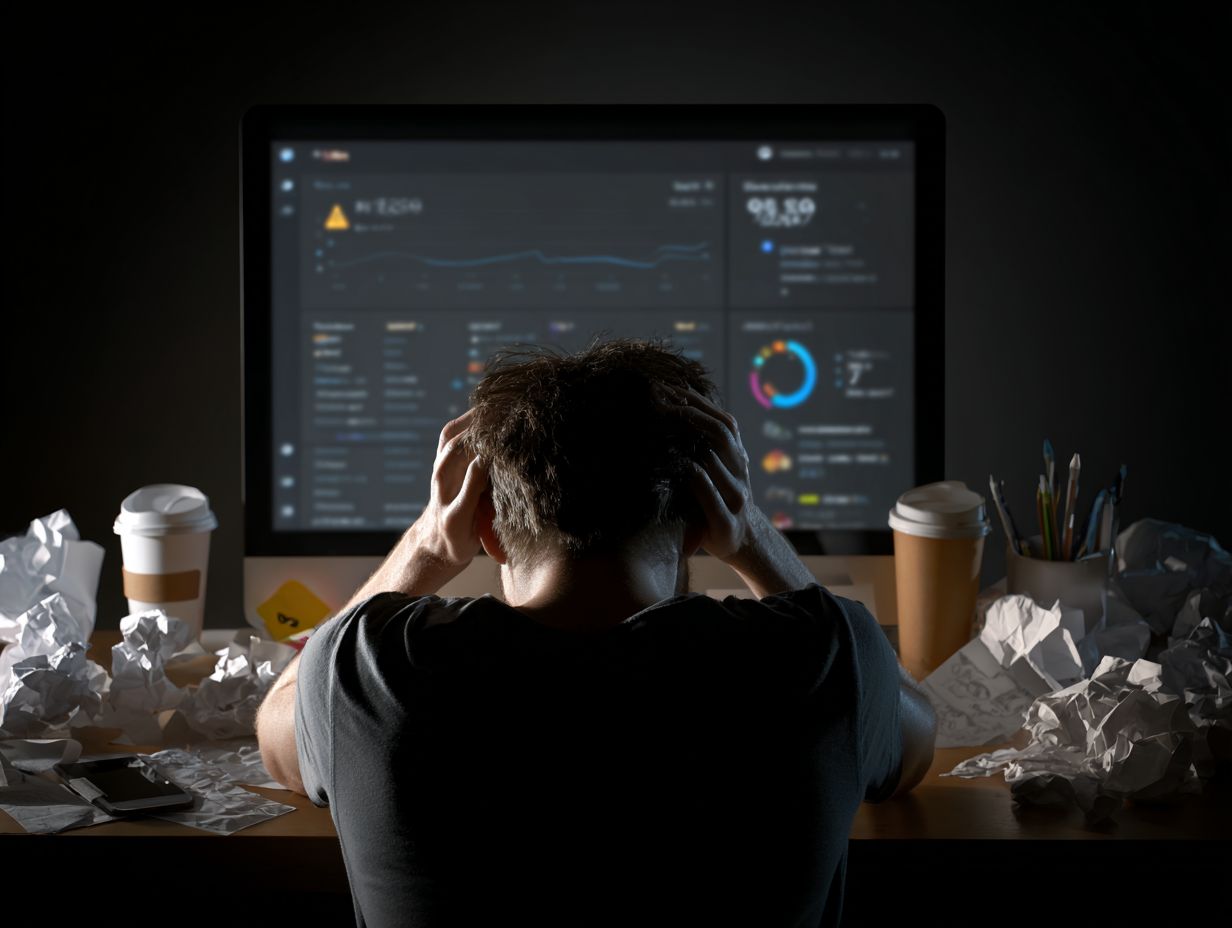
Shadowbanning is a form of silent suppression where a user’s content is hidden or suppressed without their knowledge, making it difficult for other users to see or interact with their posts, affecting their online reputation.
How does shadowbanning work?
Shadowbanning is typically done by social media platforms using algorithms that detect certain keywords or behaviors that they deem as violating their community guidelines. These posts are then hidden from the public, while the user is not notified that they have been shadowbanned, contributing to algorithm manipulation.
Why do social media platforms use shadowbanning?
Social media platforms use shadowbanning as a way to control the content on their platform and prevent spam or inappropriate content from reaching a wider audience. It is also used as a way to combat bots and fake accounts that use certain keywords or behaviors to gain a larger following, impacting visibility shadows.
How can I tell if I have been shadowbanned?
Unfortunately, there is no surefire way to tell if you have been shadowbanned. However, if you notice a significant decrease in engagement or reach on your posts, it may be an indication that you have been shadowbanned, affecting your digital communication and audience dynamics.
Can I appeal a shadowban?
Most social media platforms do not have a direct way to appeal a shadowban. However, you can reach out to their support team and explain the situation. It is important to follow their community guidelines and make sure your content does not violate any rules before reaching out, ensuring user trust.
How can I avoid being shadowbanned?
The best way to avoid being shadowbanned is to familiarize yourself with the community guidelines of the platform you are using and make sure your content follows them. It is also important to engage with other users and avoid using spammy or inappropriate behaviors in your posts, focusing on engagement optimization.
Want to keep exploring the fight for free expression and digital rights? Visit the BertrandPancher.com home page for more in-depth articles, fresh perspectives, and resources on protecting free speech in the modern world.