
Imagine waking up one day to find your favorite independent media outlet shut down, all because a platform gatekeeper changed its rules overnight. It’s a reality many of us are grappling with, and it’s crucial to understand what’s at stake. As we explore the current landscape of independent media, the challenges of monetization, and the exciting opportunities on the horizon, you’ll see how community engagement and emerging technologies could reshape our media future. Stick around-things are about to get interesting!
Definition and Importance

Independent media is all about those news outlets that aren’t under the thumb of major corporations. They provide a vital space for ethical reporting and a mix of content that you might not find anywhere else, promoting media diversity and journalism ethics.
These outlets often whip up a variety of pieces, from investigative journalism and community stories to niche analyses that mainstream media tends to overlook. For example, I might tune into an independent podcast that digs deep into local politics, or flip through a zine that takes a closer look at cultural critiques.
With tools like WordPress or Substack, creators can easily set up their own platforms, and services like Patreon can help them monetize their work by building a loyal subscriber base.
This kind of diversity not only makes public discourse richer but also helps all of us become more informed citizens.
Current Landscape
As of 2023, I’ve noticed that independent media outlets make up about 30% of the digital news landscape, and recent surveys show that audience trust in these platforms is on the rise. It’s pretty fascinating to see this shift, as more people are gravitating toward grassroots journalism platforms like Substack and Medium, where journalists can earn money directly from their audience.
For example, Substack now has over 500,000 paid subscribers across different publications, which really shows the revenue potential out there. I find it interesting how platforms like Patreon let creators offer exclusive content, building a sense of community around their work and enabling cooperative journalism.
With traditional media facing its own set of challenges, these independent outlets are stepping in to fill the gaps. They’re not just providing information; they’re also promoting transparency and amplifying diverse voices to meet the needs of today’s savvy consumers.
Role of Platform Gatekeepers
I can’t help but notice how platform gatekeepers like Google and Facebook really shape the way content gets distributed.
They have a huge impact on what news actually reaches us each day.
Major Players in the Industry
I can’t help but notice how major players like Google, Facebook, and Twitter really dominate the media landscape. They control the algorithms that decide what news gets seen and what gets buried. It’s fascinating how these platforms use complex algorithms to prioritize content based on things like user engagement, relevance, and how fresh it is.
For example, I’ve seen how Facebook’s News Feed algorithm rewards posts that get a lot of interactions. Meanwhile, Google’s search algorithm seems to have a soft spot for fresh and trustworthy sources.
If independent media wants to boost their visibility, they can take a few steps. They can:
- Optimize their web content for SEO
- Leverage social media to engage with their audience
- Make sure they’re playing by these platforms’ rules
I’ve found that tools like Google Analytics are super helpful for tracking engagement metrics and audience analytics. They allow media outlets to tweak their strategies based on what’s working and what’s not, which is essential for building a sustainable presence in the crowded digital space.
Impact on Content Distribution
I’ve noticed that the algorithms of major platforms can lead to a staggering 60% drop in visibility for independent media compared to mainstream outlets. This drop in visibility really affects engagement rates. For example, independent news articles tend to get around 20% fewer interactions on platforms like Facebook, mainly because those pesky algorithms favor bigger media organizations.
To fight back against this, independent outlets can use some smart strategies, like optimizing headlines for SEO and crafting eye-catching visuals to enhance their organic reach, embracing content curation.
Plus, using analytics tools like Google Analytics or BuzzSumo can be a game-changer. They help track audience engagement and pinpoint the types of content that really click with readers, allowing for informed tweaks to strategies over time.
Challenges Facing Independent Media
I find that independent media really struggles with a couple of big challenges, especially when it comes to monetization strategies and standing out in a crowded digital landscape with content discovery.
Monetization Issues
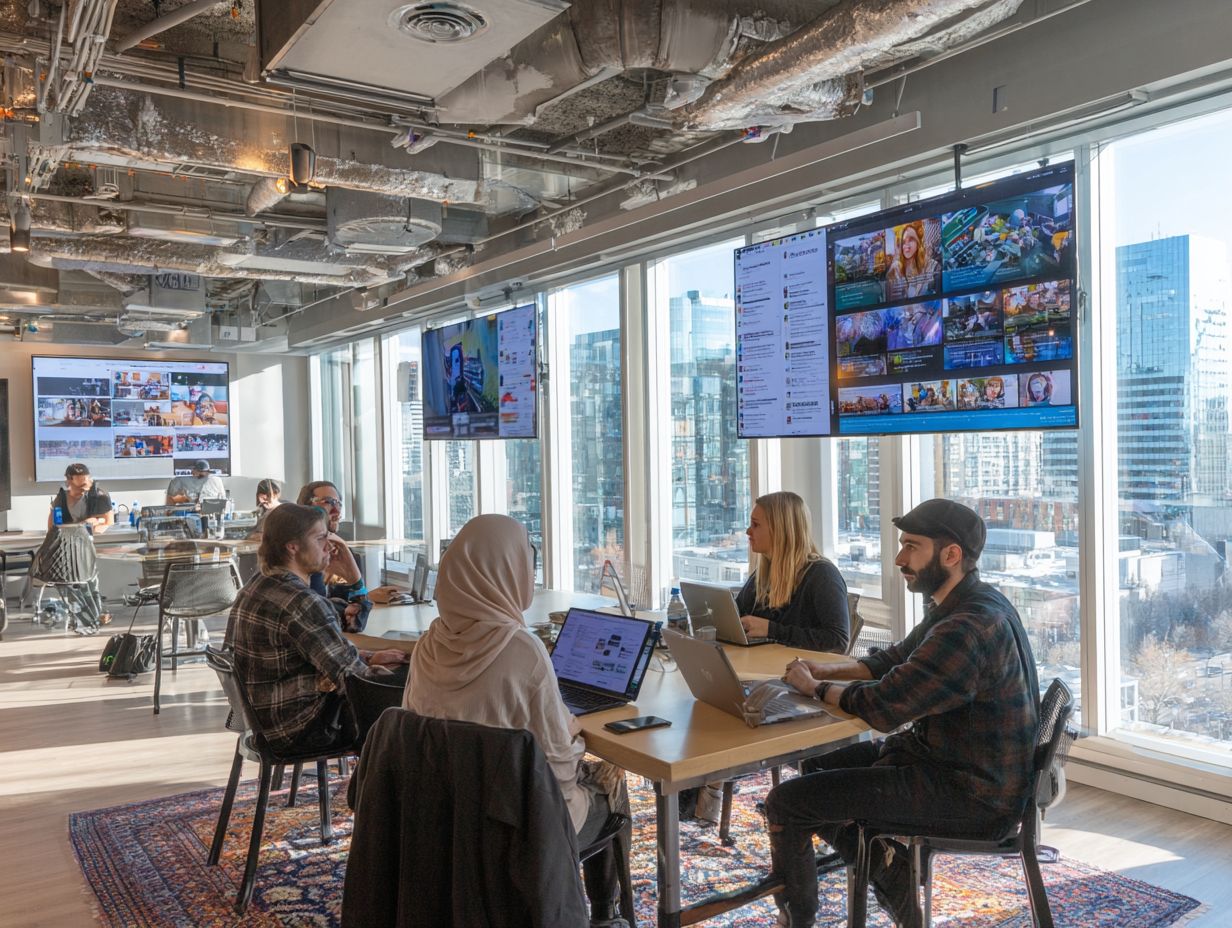
I see a lot of independent media outlets struggling with monetization these days. Many rely heavily on advertising revenue, which has taken quite a hit-down by 40% over the last five years.
To adapt, I think it’s worth considering subscription models like Patreon or Substack, where readers pay for exclusive content.
Take The Athletic, for example. They’ve nailed the subscription service thing by offering in-depth sports analysis that really appeals to dedicated fans, showcasing innovative outreach strategies. It’s a smart way to create a loyal audience.
I also believe in diversifying revenue streams-think about implementing merchandise sales or hosting live events. Using something like the 80/20 rule can help too, where you focus 80% of your efforts on building community engagement and just 20% on generating revenue.
By consistently providing value and fostering a strong community connection, I think it’s totally possible to boost financial stability in this ever-changing media landscape.
Visibility and Reach
Visibility is a big challenge for me because independent media outlets usually have a smaller digital footprint than the bigger players. For example, I came across a 2022 report that said nearly 70% of independent media sites get fewer than 1,000 unique visitors each month. This really highlights why audience engagement metrics, like the average time people spend on my page and bounce rates, are so important for measuring success.
To improve visibility, I can turn to social media platforms. Using tools like Hootsuite helps me schedule posts, and Google Analytics is great for tracking how my audience behaves, facilitating audience engagement through digital platforms.
I’ve also found that collaborating with local influencers or creating shareable infographics can really expand my reach. It’s all about building a loyal readership, even with the noise coming from the larger entities out there.
Opportunities for Growth
Even though there are challenges, I believe that independent media can really tap into emerging technologies and engage with the community to drive growth and sustainability.
Emerging Technologies
Emerging technologies like blockchain technology and AI are really changing the game for content creation and distribution in independent media, making everything more transparent and fostering media accountability.
For example, when I think about using blockchain for content distribution, it ensures that creators, like me, get fair compensation through smart contracts.
Platforms like Steemit are pretty cool because they allow authors to earn cryptocurrency for their contributions, which definitely encourages high-quality content.
Plus, I love how AI-driven tools, like OpenAI’s GPT, can help me whip up article drafts. It saves me time while still keeping my creative juices flowing.
By leveraging these technologies, independent media outlets can not only reach wider audiences but also build trust and authenticity in their reporting. This creates a more engaged and supportive community, which is something we all want to be a part of.
Community Engagement
I believe independent media can really boost audience trust by connecting with communities through citizen journalism and grassroots movements.
One great way to do this is by hosting local events, like forums or workshops, where people can share their concerns. For example, a local newspaper might set up a ‘Meet Your Journalist’ day, allowing community members to interact directly with the reporters.
I also think using social media for storytelling can really enhance transparency. Engaging followers with real-time updates or holding Q&A sessions helps build a connection.
Just look at independent outlets like ProPublica; they’re doing an awesome job by involving citizens in their investigations, creating a sense of shared ownership and accountability in the reporting process.
Future Trends in Media Consumption
As media consumption evolves, I find it really important to understand how audience behavior is shifting. This understanding is crucial for independent media like mine to stay relevant in today’s fast-paced landscape.
Shifts in Audience Behavior
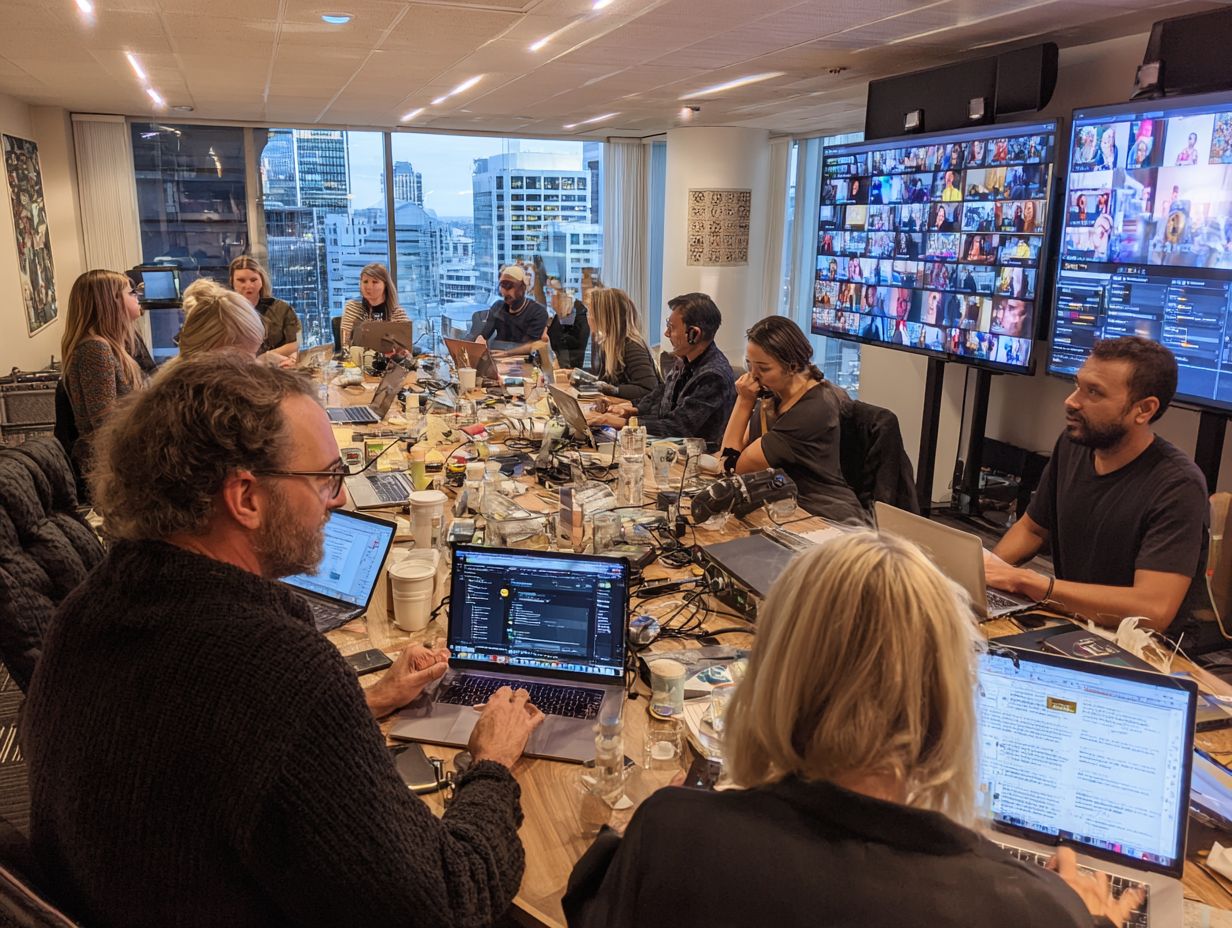
I’ve noticed that recent studies show about 70% of audiences now prefer video content over text, indicating shifts in news consumption. This really changes the game for how independent media needs to share information with visual storytelling.
To keep up, I think independent media outlets should focus on video storytelling. This could mean whipping up short news segments for platforms like Instagram or TikTok, where people are super engaged.
I also see the value in incorporating live streaming for interviews and discussions-it really helps humanize the content and build a stronger connection with the audience. Plus, with tools like Adobe Premiere Rush, quick edits become a breeze, making it easier to produce polished videos without losing too much time.
Taking a close look at viewer analytics on these platforms can also help refine content strategies, making sure everything aligns with what the audience wants, while adapting to global media trends and media challenges.
Decentralization of Media Platforms and the Rise of Alternative Media
Decentralization is really becoming a game-changer for me, letting independent media operate outside those traditional gatekeeping structures. Platforms like Mastodon and PeerTube are great examples of this shift.
With Mastodon, I can create my own server, which helps me connect with niche communities without getting tangled in centralized control.
Then there’s PeerTube, which gives me a decentralized video hosting option. I can host my videos on my own instance while still being part of a larger network. Thanks to protocols like ActivityPub, I can interact across different platforms, which is pretty enableing.
By using these tools, I can build an engaged audience and keep my editorial freedom intact. It’s exciting to see how this is changing the media landscape and making room for diverse voices.
Strategies for Independent Media
I know that implementing effective strategies is crucial for independent media to thrive in today’s increasingly competitive environment.
Building Sustainable Models
I find that sustainable models like subscription-based services can really help independent media outlets create more predictable revenue streams. To set up a successful subscription model, it makes sense to think about offering different tiers.
For instance, a basic subscription could give access to exclusive articles for just $5 a month, while a premium tier at $15 might offer webinars and direct Q&A sessions.
Tools like Patreon are super helpful for managing these subscriptions, allowing creators to offer fun perks like behind-the-scenes content.
Plus, teaming up with crowdfunding platforms like Kickstarter can be a game-changer for getting upfront funding for specific projects, supporting crowdfunding journalism, and building a community around those journalistic efforts.
I’ve learned that consistent engagement and being transparent with subscribers are crucial for keeping them around and growing a loyal audience.
Leveraging Social Media and Communication Channels
I’ve noticed that social media platforms can really boost the reach of independent media, especially when successful outlets engage their audiences with targeted campaigns. To make the most of social media, independent media like mine can adopt some specific strategies.
- First off, using tools like Hootsuite or Buffer is a game changer for scheduling content across multiple platforms. This helps keep engagement consistent. For example, I’ve seen how the independent news site ‘ProPublica’ effectively uses Twitter for real-time updates and interacts with their audience, which really drives their readership up.
- Next, I’ve found that incorporating relevant hashtags can seriously enhance discoverability. Tools like Hashtagify are great for spotting those trending tags that can help get your content noticed.
- Lastly, hosting live Q&A sessions on platforms like Instagram and Facebook is a fantastic way to connect directly with audiences. It not only encourages loyalty but also builds a strong community around the content we create.
Implications for the Future and Technological Advancements
For me, the future of independent media is all about harnessing new technologies to boost accountability and make information more accessible for audiences. To really thrive, independent media outlets like mine need to embrace strategies such as using blockchain for transparent reporting and diving into AI tools for fact-checking.
I find it interesting that platforms like Civil are working to authenticate journalism through decentralized records, which really helps in ensuring credibility. Plus, engaging with audiences on social media and creating interactive content can help build a loyal reader base.
I also love how tools like Substack allow journalists to create subscription models that connect them directly with their audiences. This not only brings in sustainable revenue but also helps maintain editorial independence.
In this shifting landscape, prioritizing ethical reporting methods is going to be crucial for building trust and credibility.
Frequently Asked Questions and Media Literacy

What is Independent Media and Alternative Media?
Independent media refers to media outlets that are not controlled or owned by any specific government, corporation, or other organization. These outlets have the freedom to report on a wide range of topics and offer diverse perspectives without interference or censorship from outside sources.
What are Platform Gatekeepers and Platform Policies?
Platform gatekeepers are large technology companies that control the distribution and access of content on their platforms. This includes social media sites, search engines, and other online platforms that have significant influence over what content is seen and shared by users.
How have Platform Gatekeepers and Media Ownership Affected Independent Media?
In recent years, platform gatekeepers have significantly impacted independent media by controlling the flow of information and limiting the reach of independent media outlets. This has made it harder for independent media to reach audiences and gain visibility, ultimately affecting their ability to compete with larger, more established media outlets.
What is the future of independent media in a world of platform gatekeepers?
The future of independent media in a world of platform gatekeepers is uncertain. While some argue that the rise of social media and other digital platforms has made it easier for independent media to gain exposure, others believe that the dominance of platform gatekeepers has made it increasingly challenging for independent media to survive and thrive.
What are some potential solutions for independent media in a world of platform gatekeepers?
One potential solution for independent media in a world of platform gatekeepers is to diversify their distribution channels and not rely solely on social media platforms for reaching audiences. Another solution is for platform gatekeepers to create algorithms that prioritize and promote independent media content, rather than just content from established media outlets.
How can individuals support independent media in a world of platform gatekeepers?
Individuals can support independent media in a world of platform gatekeepers by actively seeking out and engaging with independent media content, sharing it on their social media platforms, and subscribing to independent media outlets to help financially support their work. Additionally, individuals can advocate for policies that promote a more equal playing field for independent media in the digital landscape.
Want to keep exploring the fight for free expression and digital rights? Visit the BertrandPancher.com home page for more in-depth articles, fresh perspectives, and resources on protecting free speech in the modern world.