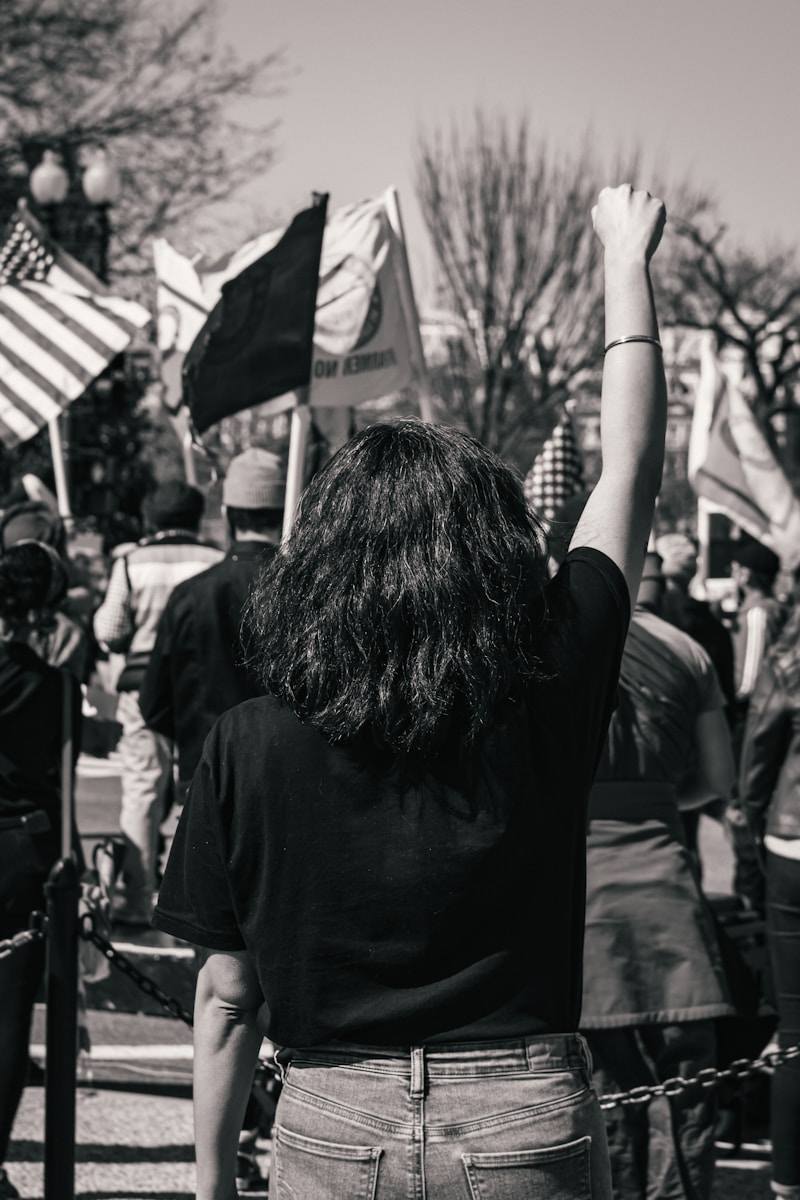
Creators and Cannabis: Building Bridges Between Two Movements

At first, cannabis reform and digital creator rights might seem like separate issues. But they share a surprising amount of common ground. Both communities fight for freedom from outdated gatekeepers — whether that’s prohibition-era laws or restrictive platform policies.

Shared Struggles

Creators and cannabis advocates both face stigma, censorship, and unfair economic barriers. They know what it’s like to have their voices muted or their opportunities limited by systems built to protect the powerful.

Partnership in Advocacy

More cannabis brands are collaborating with digital creators to tell authentic stories. Meanwhile, creators who support cannabis reform are helping to shift public opinion by breaking stereotypes and normalizing use.

Why the Alliance Matters

By joining forces, these groups amplify each other’s struggles and victories. Together, they show that the fight for liberty is not just about one issue — it’s about creating a society where people can live and express themselves freely.

Free Speech and Cannabis: Different Battles, Same Fight

Free Speech and Cannabis: Different Battles, Same Fight


Cannabis and Bodily Autonomy

When someone chooses cannabis for wellness, they’re making a decision about their own body. Yet prohibition-era laws still criminalize that choice in many places, even as scientific evidence and public opinion shift toward acceptance.

Think about what that means: a patient with chronic pain, PTSD, or cancer may find relief in cannabis—but outdated regulations can strip them of safe, legal access. Others may face job loss, housing insecurity, or even incarceration for making a personal health choice.

The fight for legalization is therefore much bigger than lifestyle preference. At its core, it is a demand for bodily autonomy and the right to self-determination. It asks a simple but powerful question: who should decide what goes into your body—you or the state?

For a deeper look at how these issues connect to fairness and social equity, see our Cannabis & Justice section.


Creators and Digital Expression

The same principle extends to the digital world. When a creator shares their art, story, or lifestyle online, they are exercising free speech. But unlike in public spaces, digital platforms are controlled by private companies that set the rules, enforce them unevenly, and often provide little transparency.

Algorithms can bury a voice overnight. A shadowban can erase years of work with no warning. A sudden demonetization can destroy livelihoods without recourse. And too often, the people affected are those who push cultural boundaries—sex workers, cannabis advocates, political dissidents, or marginalized communities using their platforms to speak truth.

For creators, the struggle isn’t only about making content—it’s about having the right to exist online without fear of arbitrary erasure.

We explore these battles more in Digital Freedom, where creators push back against platform overreach.


Shared Struggles, Shared Lessons

On the surface, cannabis advocacy and digital free speech seem worlds apart. But the parallels are striking:

  • Stigma and Silence: Cannabis users have faced decades of demonization, while creators face censorship under the guise of “community standards.”
  • Gatekeepers in Power: Governments dictate cannabis laws; tech giants control online expression. Both act as choke points on individual freedom.
  • Economic Exploitation: In cannabis, corporate monopolies push out small growers and legacy operators. In the digital space, platforms extract profits while leaving creators vulnerable.
  • Grassroots Resistance: Both movements thrive because individuals organize, educate, and demand change from the ground up.

These shared struggles reveal a common truth: whether it’s a government lawbook or a platform’s algorithm, the fight is always about who holds power—and whether that power can be challenged.


Why This Intersection Matters

Seeing these issues as connected helps build stronger coalitions. A cannabis advocate can see their fight for access as linked to the creator’s fight for expression. A creator can understand bodily autonomy as part of the broader defense of civil liberties.

When these communities stand together, they not only amplify their voices but also expose the hypocrisy of gatekeeping systems that suppress freedom in different arenas.

That’s why we built a dedicated section called Where They Intersect—to highlight the ways cannabis reform and creator rights overlap, and to show how much stronger both movements become when they join forces.


Call to Action

Whether you care about plants or platforms, the principle is the same: freedom matters.

The right to choose cannabis is the right to decide what heals you.
The right to create online is the right to decide what defines you.

Both are acts of autonomy—and both deserve protection.

Let’s defend them, across every arena of life.
Creators Deserve Better: Fighting for Free Expression Online

Digital creators are the backbone of modern culture. From YouTubers to OnlyFans models, they’re the ones shaping trends, sparking conversations, and building communities. But here’s the problem: the platforms they depend on too often work against them.

The Gatekeepers of the Internet

Social media platforms hold incredible power over who gets seen, who gets paid, and who gets silenced. A single algorithm tweak can cut a creator’s income in half. A shadowban can make them invisible overnight. And too often, creators have no way to appeal or even understand why it happened. That’s not freedom — that’s control.

The Economics of Creativity

Most creators aren’t millionaires. They’re freelancers, hustling to pay rent and make a living doing what they love. When platforms take massive cuts of revenue — sometimes 30% or more — it leaves creators scrambling. Fair pay means creators should own more of what they earn, not hand it over to billion-dollar tech companies.

Free Speech and Censorship

The issue goes beyond money. Creators who speak about politics, sexuality, or cannabis often face extra scrutiny. Platforms say they enforce “community guidelines,” but too often those guidelines feel arbitrary. What gets censored isn’t always what’s dangerous — it’s what makes gatekeepers uncomfortable.

Call to Action: Creators are culture-makers, not disposable content machines. Stand up for platform accountability and the right to create without fear.

Why Cannabis Reform Is About More Than Getting High

For decades, cannabis has been painted with a single brushstroke: a drug for getting high. But if you look closer, the fight for cannabis reform isn’t just about recreational use — it’s about justice, wellness, and personal freedom.

Criminalization and Inequality

Communities of color have faced disproportionately harsh penalties for possession. Even as legalization spreads, thousands still sit in jail for nonviolent cannabis offenses. Reform means not only legalizing the plant but also expunging records and giving people a fair shot at rebuilding their lives.

Cannabis as Wellness

From easing chronic pain and anxiety to helping cancer patients with nausea, cannabis is a tool for wellness that millions rely on. But outdated laws and fear-based narratives keep patients from the care they need. Reform here isn’t just political — it’s deeply personal.

Building Equity

As cannabis grows into a billion-dollar industry, we can’t ignore who gets left out. Small businesses and legacy growers face mountains of red tape, while large corporations dominate. A just cannabis future means creating pathways for minority entrepreneurs, veterans, and those directly impacted by prohibition to participate and thrive.

Call to Action: Cannabis reform is justice reform. Join us in demanding policies that heal communities, protect patients, and respect freedom.