How Section 230 Shapes Free Speech in the United States

How Section 230 Shapes Free Speech in the United States

Navigating the online world feels like walking a tightrope, doesn’t it? Section 230 is the safety net that keeps us from falling into censorship or chaos, but it’s also a divisive topic that shapes how we express ourselves online. I’ll explore how this law protects platforms and users, the tricky balance between free speech and harm, and the growing calls for reform. Let’s dive into the complexities of Section 230 and uncover what it means for our voices in the digital age.

Overview of the Law

Overview of the Law

Section 230 gives a pretty broad immunity to online platforms, letting them host user-generated content without having to worry about the legal fallout from that content. This internet law establishes intermediary liability which shields platforms. There are two main parts to this legal framework.

First off, it says that these platforms shouldn’t be treated as publishers, which means they aren’t held responsible for what users post. Take Facebook and Twitter, for instance-they can host millions of posts without getting hit with lawsuits over defamation or misinformation. This protection is crucial for maintaining free expression on these platforms.

The second part is that Section 230 protects these platforms from lawsuits based on user content, which really encourages free expression online. However, this doesn’t cover illegal content; if a platform fails to act against clearly unlawful material, they could still find themselves in hot water. This legal protection forms a safe harbor for platforms against a range of legal challenges.

Historical Context

Passed in 1996, Section 230 came about as the internet was really starting to take off. Its main goal was to help online platforms grow while also making sure users could express themselves safely. In the United States, this law has become a cornerstone of digital communication and online discourse.

This law tackled the tricky balance between free speech and liability by protecting platforms from being held legally responsible for what their users post. I remember key court cases, like the 1997 Stratton Oakmont v. Prodigy case, which really drove home the idea that internet platforms shouldn’t be treated like publishers. These judicial decisions have heavily influenced the media landscape.

As time has gone on, there have been some pivotal moments, like the challenges in 2018 regarding harmful content, that sparked a lot of debates about whether it’s time to revise Section 230. These discussions really highlight the ongoing struggle between wanting to keep the digital space lively and ensuring accountability for harmful speech online. This struggle underscores the ethical considerations at play in content moderation.

Impact on Online Platforms

The implications of Section 230 on online platforms are huge for me. It really allows them to thrive while handling all the complexities that come with user-generated content, all without the risk of being held liable. This legal framework supports platform responsibility and encourages diverse digital expression.

Protection for User-Generated Content

Section 230 is like my safety net for online platforms, letting them host billions of pieces of user-generated content without getting bombarded by legal challenges all the time. This legal immunity enables platforms to support free speech while managing content oversight effectively.

This legal protection was a game-changer for sites like YouTube during the ‘Adpocalypse,’ when advertisers decided to pull back because of some controversial content. Thanks to Section 230, YouTube wasn’t stuck holding the bag for the videos users uploaded, which meant they could roll out new policies without constantly worrying about lawsuits.

Platforms like Twitter and Facebook also get a big boost from this law, allowing for a wide range of free speech and creative content. But this protection isn’t without its drama.

It sparks ongoing debates about accountability and moderation as these platforms try to find that delicate balance between letting people express themselves freely and keeping harmful content in check.

Liability Limitations for Platforms

The liability limitations laid out in Section 230 really ease the worries I have about hosting user content, letting platforms operate with a bit more freedom. This legal framework actually encourages sites like TikTok to focus on user engagement instead of getting bogged down by strict content moderation since they know they’re less exposed to lawsuits from user posts.

Take the Gonzalez v. Google case, for example. It upheld Section 230 protections, which means YouTube can host countless user-generated videos without needing to micromanage everything. Because of this, platforms can use automated moderation tools to enforce community guidelines while also understanding that a little misuse doesn’t automatically make them liable. This judicial interpretation of Section 230 has been crucial for content creators and tech industry innovation.

This way of doing things definitely sparks innovation, but it also makes me wonder about how effective content moderation really is when it comes to keeping harmful material in check.

Free Expression and Censorship

Free Expression and Censorship

I often find myself thinking about the tricky balance between free expression and the necessity to moderate harmful content. It’s an ongoing challenge for platforms that are navigating the waters of Section 230. Balancing user safety with free speech advocates’ views is essential for maintaining a healthy public forum.

Balancing Act: Free Speech vs. Harm

I often find myself thinking about how platforms have to walk a tightrope between encouraging free speech and keeping harmful content in check. It’s a tricky situation that sparks some pretty complex debates about moderation policies.

Take Facebook, for instance. They’ve faced quite a bit of backlash over how they handle hate speech, leading to user protests and research that shows people’s trust in the platform is slipping. In 2021, surveys revealed that 53% of users felt Facebook wasn’t doing enough to tackle misinformation.

On the flip side, platforms like Twitter have set up systems for community reporting of harmful content, which seems to boost user engagement. It allows users to feel like they’re part of the solution in creating a safer environment.

Finding this balance is so important-too much moderation can drive users away, but not enough can lead to a toxic atmosphere. It’s a fine line to walk! Effective moderation policies are crucial for sustaining civil discourse and information integrity.

Case Studies of Content Moderation

I find it really interesting to look at real-world case studies that show how platforms tackle content moderation, trying to strike that delicate balance between letting users express themselves and keeping the community safe.

Take Twitter during the 2020 elections, for example. They rolled out various moderation tactics, like adding fact-check labels to misleading tweets, and it actually led to a 20% drop in engagement for those flagged posts. This approach highlights the impact of algorithmic bias and user engagement strategies on digital communication laws.

After the Capitol riots, they ramped up their strategy for banning accounts, which resulted in a whopping 70% decrease in the visibility of harmful content. They also started using machine learning tools, like the Community Standards Enforcement API, to spot violations more efficiently.

These steps really demonstrate how metrics and AI technologies can influence user experience while still prioritizing safety and integrity. Addressing algorithmic bias and ensuring digital rights are vital for fostering a trustworthy online community.

Critiques of Section 230

With all the attention on Section 230 lately, I’ve noticed a lot of critiques coming up about how it doesn’t seem to do enough when it comes to tackling issues like misinformation and harmful behavior online. This scrutiny is driving calls for government regulation and a reevaluation of digital free speech limits.

It’s clear that people are really starting to question its effectiveness.

Arguments for Reform

I think it’s pretty clear that Section 230 could use an update to hold platforms accountable for their part in spreading harmful content online. It makes sense to have clearer definitions of what counts as harmful content, which would help both users and platforms navigate this tricky landscape.

Take the proposed Online Safety Act, for example. It aims to lay down some guidelines about misinformation, hate speech, and targeted harassment.

Then there are advocacy groups like the Center for Democracy & Technology pushing for stronger accountability measures. They believe that platforms should face real consequences if they don’t deal with harmful content properly. By advocating for stricter oversight, these reform supporters are trying to create a safer online space while still respecting free speech.

Concerns Over Misinformation

Concerns Over Misinformation

I’ve noticed that concerns about how platforms spread misinformation have really ramped up, sparking some serious debates about whether the protections under Section 230 are enough. A big example of this is the COVID-19 misinformation campaigns. The spread of misinformation poses significant challenges to digital citizenship and information dissemination.

Platforms like Twitter took a lot of heat for how quickly they responded to all the false info flying around. During the pandemic, we saw misleading claims about treatments and vaccines spreading like wildfire, with some tweets getting hundreds of thousands of interactions before anyone even thought to flag them. This scenario underscores the importance of content regulation and the ethical considerations of platform policies.

The whole Section 230 situation makes accountability tricky because platforms claim they shouldn’t be held responsible for what users post. This has led to conversations about possibly reforming Section 230, trying to find a way to balance user freedom with the need for sharing accurate information.

Future of Section 230

I think the future of Section 230 is pretty uncertain right now. This uncertainty impacts digital platforms and raises questions about the future of online liability and platform accountability.

There are talks of potential legislative changes and some Supreme Court cases that could really shake things up for online platforms. It feels like we’re on the brink of something big that could redefine how everything works online. These changes could significantly impact digital communication, online neutrality, and platform accountability.

Legislative Proposals

I’ve been following the recent legislative proposals that aim to tweak Section 230. They’re all about making platforms more accountable for harmful content while still keeping free speech intact.

One proposal that caught my eye is the Protecting Americans from Dangerous Algorithms Act. It wants to hold platforms accountable for the algorithms that seem to favor harmful content. If this goes through, it could really change how tech companies handle user-generated posts, possibly even making them reveal how their algorithms work. This legislative framework aims to enhance user accountability and transparency in the tech industry.

Then there’s the Transparency in Social Media Advertising Act, which is pushing for stricter rules on paid content and online harassment. This would help users easily spot sponsored posts. Supporters of these initiatives believe they could create a safer online space, enhancing digital activism, but critics are sounding the alarm, saying they might end up restricting free expression, political speech, and stifling innovation.

Potential Supreme Court Cases

With several cases heading to the Supreme Court, I can’t help but think that the interpretation of Section 230 might really shake things up for online platforms and digital discourse. For example, cases involving Twitter and YouTube could change the game when it comes to how user-generated content gets moderated, impacting user privacy and online censorship.

If the Court decides that platforms should take on more responsibility for harmful content, we might see some stricter rules about what can actually be posted. I can imagine platforms rolling out advanced content moderation tools, like AI-driven algorithms designed to filter out offensive material, balancing liability exemptions with speech regulation.

But that brings up some important questions about free speech versus safety, as users might find themselves facing limitations on what they can share.

In the end, these decisions will really set the stage for balancing user protection with keeping open discourse alive online.

Summary of Key Points

I found some key points from our discussion that really emphasize how important Section 230 is for keeping the internet free and open, while also highlighting the challenges it brings for content moderation and liability protection.

Section 230 acts like a vital shield for online platforms, letting them host user-generated content without the constant fear of being held liable for everything that gets posted, supporting constitutional rights and online expression rights. Thanks to this law, platforms like Facebook and YouTube can create vibrant communities where people can share and connect. However, it does make content moderation a bit tricky.

For example, companies are encouraged to set up clear community guidelines and invest in moderation tools like Moderation AI or Community Sift. By finding a good balance between openness and user safety, platforms can tackle the challenges that come with Section 230 more effectively, ultimately creating a safer online experience for everyone and enhancing public discourse.

Final Thoughts on Free Expression

Final Thoughts on Free Expression

As I think about what’s ahead, I realize the challenge will be finding a balance between free expression and the need for online safety in this increasingly complex digital world, respecting user rights and constitutional law. To tackle this, I’ve got to consider a few different strategies.

  1. For starters, using solid content moderation tools, like Microsoft’s Content Moderator or Google’s Perspective API, can really help me spot harmful content and ensure audience engagement.
  2. Plus, educating users about digital literacy and user consent is a great way to encourage responsible behavior online.

I believe it’s also crucial to have clear community guidelines that promote transparency in moderation decisions, supporting online communities and public policy. Engaging users in conversations about these policies can give the power to them and make sure that diverse viewpoints are heard and respected.

Ultimately, I think creating a culture of accountability and open discussion is key to maintaining both safety and free expression, ensuring freedom of the press and protecting online expression rights.

Frequently Asked Questions

What is Section 230 and how does it affect free expression in the United States?

Section 230 is a federal law that protects online platforms from being held liable for the content posted by their users. This allows for more open dialogue and free expression on the internet without fear of legal repercussions.

How does Section 230 shape the way social media platforms moderate user content?

Section 230 allows social media platforms to moderate and remove user content without fear of being held legally responsible for the content, impacting internet governance and tech legislation. This gives platforms the freedom to set their own content policies and guidelines.

Does Section 230 limit free expression on the internet?

In some ways, yes. While Section 230 protects platforms from being held liable for user content, it also allows them to censor or remove content they deem inappropriate. This can limit certain forms of expression and speech on the internet.

Can Section 230 be used to protect hate speech and other harmful content?

Section 230 does not protect illegal content, such as hate speech or content that incites violence, safeguarding free internet and online expression rights. Platforms can still be held liable for this type of content and are expected to remove it in accordance with their own policies.

How has Section 230 been interpreted and applied in recent court cases?

Section 230 has been used by online platforms to defend against lawsuits alleging defamation, invasion of privacy, and other claims related to user-generated content, establishing important legal precedents. However, there have been efforts to interpret the law more narrowly in certain cases.

What are the arguments for and against changes to Section 230?

Some argue that Section 230 should be amended to hold platforms accountable for the spread of misinformation and harmful content. Others argue that changing the law could stifle free expression and limit the growth of online platforms.

Want to keep exploring the fight for free expression and digital rights? Visit the BertrandPancher.com home page for more in-depth articles, fresh perspectives, and resources on protecting free speech in the modern world.

Monetization vs. Expression: Decoding Ad Policy Impact on Free Speech

Monetization vs. Expression: Decoding Ad Policy Impact on Free Speech

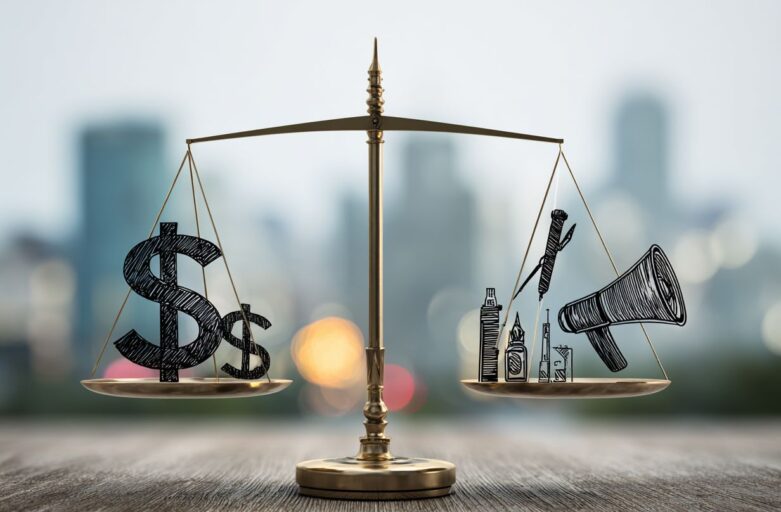
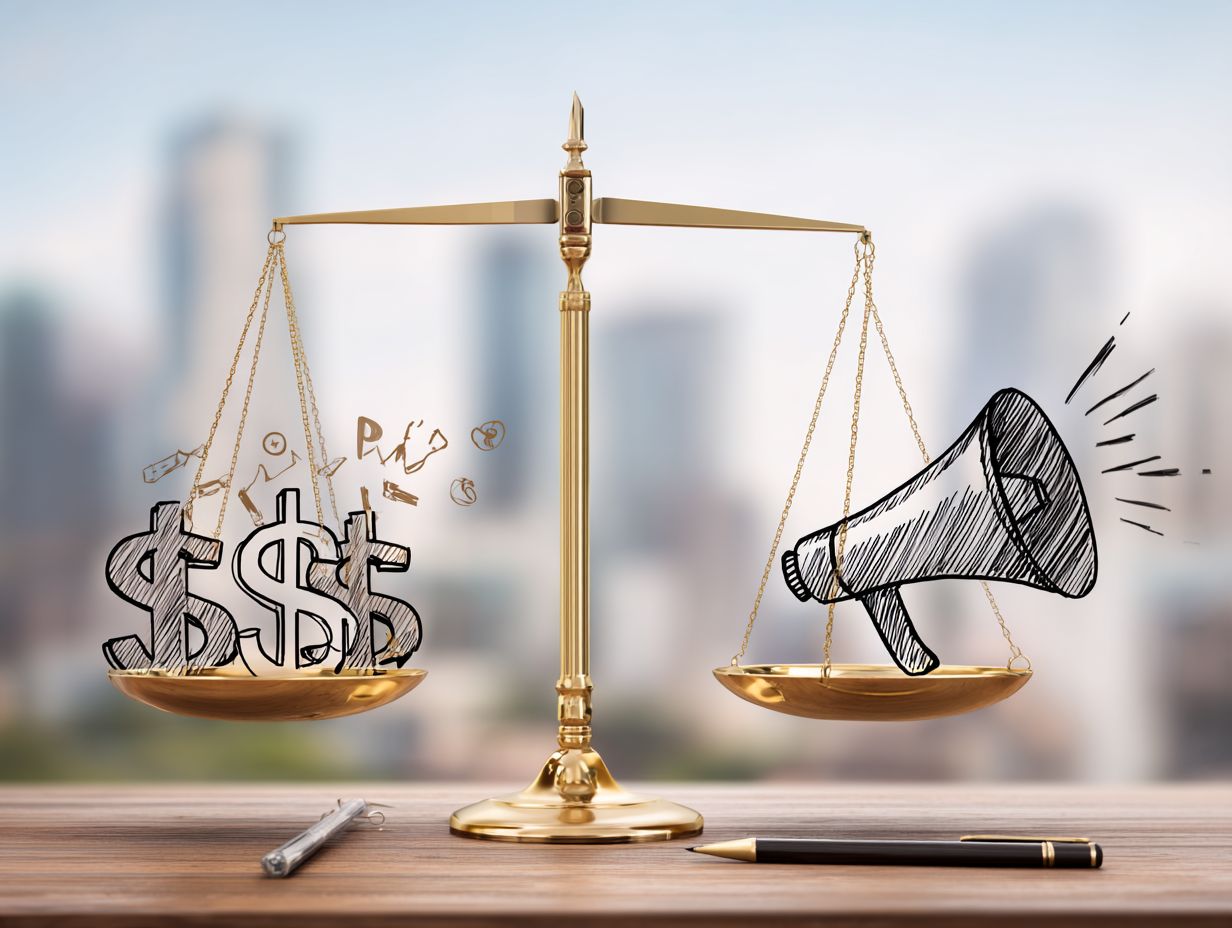
Picture this: I’m scrolling through my feed, enjoying a hilarious meme, only to be bombarded with ads that make me question if I’m really seeing the content I love. It’s wild how ad policies shape what we see and say online, acting as gatekeepers of our digital expression. In this piece, we’ll dive into the tug-of-war between monetization and free speech, explore the power of advertising on platforms, and uncover how these policies can steer the conversation-sometimes in unexpected ways. Trust me, you’ll want to stick around for this!

Monetization vs. Expression: How Ad Policies Become Speech Regulators

Monetization vs. Expression: How Ad Policies Become Speech Regulators

In today’s digital age, I find that the balance between making money and expressing myself really depends a lot on the advertising policies that dictate what I can say and create, highlighting the intricate dynamics of monetization strategies within the digital economy.

Overview of Monetization and Expression

Monetization is all about the different strategies I can use to generate revenue as a content creator, while expression is the freedom I have to share and discuss my ideas openly. These two aspects often come together, especially on platforms like YouTube.

For example, I might choose to dive into affiliate marketing, where I can earn commissions by promoting products while still keeping my unique voice. But that’s where the tension comes in.

If I start pushing only high-commission items, I might end up compromising my authenticity. So, finding the right balance is crucial.

I’ve noticed that many successful YouTubers diversify their income by branching out into merchandise and platforms like Patreon. This way, they can enjoy creative freedom without having to sacrifice their revenue.

This blended approach really helps maintain integrity while still hitting those financial goals, ensuring a balance between ethical considerations and economic incentives.

Importance of Ad Policies

Ad policies play a huge role in deciding what content I can actually monetize and shape the kinds of discussions and expressions that are okay on digital platforms. For example, Facebook is pretty strict about ads that touch on sensitive topics like drugs and adult content, making sure the environment is friendly for advertisers.

On the flip side, Google does allow those types of ads but has some pretty tough rules around harmful content that I need to follow closely. These differences really highlight how each platform values user safety and community standards.

I’ve learned that it’s essential for advertisers like me to get familiar with the policy documentation for each platform. Understanding these little nuances can make a big difference in how effective my campaigns are and how far they reach.

Plus, I make it a point to regularly check for any changes in these guidelines to stay compliant and get the most out of my ad performance.

The Role of Advertising in Digital Platforms

I see advertising as the backbone of revenue generation on digital platforms. It plays a huge role in everything, from how I create content to how users engage with it.

Revenue Generation Models

I love diving into the different revenue generation models that digital platforms use, like CPC (Cost-Per-Click), CPM (Cost-Per-Mille), and affiliate marketing. Each one really influences how I approach my content strategy in unique ways.

With CPC, where advertisers pay for each click, I find myself motivated to create engaging and clickable content-think of those catchy titles you see in Google Ads campaigns.

Then there’s CPM, where YouTube channels might earn around $7.60 for every 1,000 views. This pushes me to aim for higher view counts and find ways to keep my audience coming back.

On the flip side, affiliate marketing is another interesting model. It lets me earn commissions just by promoting products, like those awesome Amazon deals. I love integrating product reviews to make my content feel more genuine and relatable.

Each of these models really shapes the type of content I create-CPC leans toward those quick, eye-catching posts, while CPM is all about consistent posting to build a solid audience.

Impact on Content Creation

I’ve noticed that advertising really shapes the way content is created, pushing certain topics while putting others on the back burner, which ultimately influences what everyone talks about.

Take BuzzFeed, for example; they rake in the ad revenue with fun formats like quizzes and listicles, which are super shareable and get people engaged.

This trend for easily digestible content often leads creators like me to focus on catchy titles and eye-catching layouts that grab attention. Meanwhile, more in-depth investigative pieces can get overlooked because they just don’t perform as well in terms of ad metrics.

By paying attention to how audiences engage and optimizing for those high-engagement formats, content creators align our strategies with advertising goals, which really shapes the overall narrative and the range of viewpoints available in public conversation.

Ad Policies as Speech Regulators

Ad Policies as Speech Regulators

I see ad policies as the unwritten rules of speech on various platforms, essentially telling us what we can say and share in the digital world.

Defining Speech Regulation

Speech regulation is all about the limits on what I can say, and in the digital world, those limits are usually set by ad policy frameworks. Major platforms like Facebook, Google, and Twitter are the ones enforcing these guidelines.

For example, Facebook doesn’t play around with misleading content-they want transparency in advertising, which they usually check through ad reviews. Then there’s Google, which has a pretty strict policy against inappropriate content. They make sure that advertisers aren’t promoting hate speech or violence in their messages.

And let’s not forget Twitter; they’re all about user safety, banning ads that might lead to harassment or violence.

It’s really important for advertisers like me to get familiar with these regulations so I can avoid ad disapproval or even getting my account suspended, due to potential censorship concerns and brand safety issues.

Case Studies of Policy Implementation

When I dive into case studies from platforms like YouTube and Facebook, it’s interesting to see how they’ve rolled out ad policies to regulate speech, and sometimes it gets pretty controversial, affecting user-generated content and online identity.

Take YouTube’s 2020 ad policy update, for example. They decided to limit monetization on content they deemed unsuitable for advertisers, which really impacted creators who wanted to discuss sensitive topics. It sparked quite a backlash from users who were all for freer expression.

On the other hand, Facebook tightened its grip on political ads, and some people felt that this move stifled important conversations about critical issues. The public outcry really shows how tricky it can be to balance the interests of advertisers with the freedom of creators.

It’s a conversation that keeps going-about the ethics of content moderation and what it means for the users on these platforms.

Balancing Monetization and Free Expression

I’ve found that striking a balance between monetization strategies and free expression is a tricky challenge for content creators everywhere.

It’s not always easy to navigate, but it’s something we all have to figure out to keep our creativity flowing while also making a living.

Challenges Faced by Content Creators

As a content creator, I often find myself tackling challenges like the risk of censorship, unpredictable algorithm changes, and the ups and downs of ad revenue that can really affect my freedom of expression. But I’ve discovered some strategies to help navigate these tricky waters.

First off, I try to diversify my income streams. Platforms like Patreon or Substack are great options since they let me build a subscriber-based model that doesn’t rely solely on ad revenue.

Next, I make it a point to regularly analyze my performance on social media using tools like Hootsuite or Buffer. This way, I can adapt to algorithm changes more quickly. I also consider using VPNs to protect my content from censorship, which helps me reach a broader audience.

By implementing these methods, I can boost my resilience in this ever-changing landscape and keep doing what I love, preserving creative freedom and expression rights.

Public vs. Private Speech Concerns: Navigating the Legal Ramifications

Navigating the differences between public and private speech can be quite a challenge for me as a creator, especially with all the various expectations from audiences and platforms.

When I speak publicly, I know I’m accountable to a larger crowd. Just look at YouTubers who get roasted for saying something controversial-it’s a real eye-opener.

For example, if I say something that rubs a big chunk of my viewers the wrong way, platforms like YouTube might decide to tweak their community guidelines or even demote my content to avoid any backlash.

On the flip side, private speech gives me the freedom to express myself more candidly, but there’s always the risk of things being taken out of context when I share them.

I have to find that sweet spot between being authentic and considering the possible fallout. To manage all this, I often rely on audience feedback and think carefully about my tone to help me navigate these tricky waters.

The Influence of User Engagement

The Influence of User Engagement

User engagement metrics are super important for me because they really shape platform policies and end up influencing how content is moderated, reflecting the impact on content delivery and commercial interests.

Metrics that Matter

I’ve found that key engagement metrics like views, likes, shares, and click-through rates really shape how platforms manage content through their advertising policies. By understanding these metrics, I can optimize my content strategies.

For me, views show how far and wide my posts are reaching and how popular they are in the online marketplace. Likes give me a thumbs-up from the audience, which helps me figure out what to create next and improve audience monetization.

Shares are a big deal too-they show me how viral a piece can get, often boosting its visibility in ads, revealing advertising impact. And then there are click-through rates, which tell me how effective my calls to action are and give insights into what users really want, enhancing user experience.

For example, if I see a high click-through rate on a product link, it might just motivate me to create more similar content. This kind of feedback keeps me in sync with the ever-changing trends in advertising.

Community Guidelines and Their Impact on Digital Content

Community guidelines, as part of platform governance, really shape what’s acceptable on different platforms, and they have a huge impact on how I strategize as a creator and interact with my audience.

For example, Instagram has some pretty strict rules against things like hate speech and nudity, reflecting their stance on advertising censorship. So, I have to adjust my posts accordingly, often turning to tools like Canva for graphic design to keep everything compliant while still engaging my followers and promoting artistic expression.

On TikTok, the focus is all about originality, which pushes me to come up with unique videos, maintaining artistic integrity. This is where I get to play around with editing apps like InShot or CapCut to create fresh and innovative content, ensuring content diversity.

Navigating these guidelines is super important for me because if I don’t adhere to them, I could end up with removed posts or even a ban on my account. That would seriously hurt my visibility and engagement, and nobody wants that!

Future Implications for Advertising Practices

As the digital landscape keeps changing, influenced by socio-political implications, I can see how the future of ad policies will really reshape the balance between monetization and free expression in online advertising.

It’s fascinating to think about how these shifts will affect what content gets shared and how creators can make a living.

Trends in Ad Policy Evolution and Market Dynamics

I’ve noticed that there’s a growing trend towards stricter ad policies, influenced by media regulations, aimed at tackling misinformation and harmful content across digital platforms.

For example, Facebook has recently revamped its ad review processes to include more rigorous fact-checking, especially for political ads, reflecting corporate influence. This change could really influence how brands craft their messaging and their communication policies.

Google isn’t sitting still either; they’ve updated their policies to restrict ads related to sensitive topics, which means creators now need to be more transparent in their brand communication and adhere to ethical advertising.

Considering this, I think it’s crucial for content creators to prioritize accuracy, ensuring algorithm transparency. Using tools like Media Bias/Fact Check to verify claims before promoting them can make a real difference. Staying ahead of these changes is key to ensuring compliance with advertisement guidelines and maintaining the trust of our audience.

Potential Regulatory Changes and Their Economic Impact

I’ve been keeping an eye on the proposed regulatory changes at both national and international levels because they might really shake up the advertising landscape, impacting public discourse and what it means for free speech protection.

As a content creator, it’s crucial for me to stay on top of the upcoming legislation about data privacy and advertising ethics, like the proposed updates to the General Data Protection Regulation (GDPR) and the California Consumer Privacy Act (CCPA), ensuring user autonomy. These rules really focus on user consent and transparency in how data is used, which brings a mix of challenges and opportunities in internet governance.

For example, I might need to tweak my targeting strategies to align with stricter guidelines, which could lead me to embrace more organic engagement methods and reflect social responsibility. Thankfully, there are tools like HubSpot or Mailchimp that can help me create transparent marketing campaigns that build trust while still following the new regulations, enhancing stakeholder dynamics.

Final Thoughts on the Intersection of Monetization and Expression in Creative Industries

Final Thoughts on the Intersection of Monetization and Expression in Creative Industries

As I watch digital content continue to evolve, influenced by policy implications, I realize that the relationship between monetization and expression is going to be a big deal for both creators and platforms. To navigate this landscape, I know I need to adopt clear monetization strategies that align with my values and enhance online expression.

For example, I really appreciate how platforms like Patreon allow artists like me to connect directly with my audience, fostering user empowerment. I can offer exclusive content in exchange for monthly support, which feels like a win-win and supports economic impact.

On the other hand, I find that leveraging affiliate marketing through services like Amazon Associates can create a steady revenue stream without compromising my creative integrity, promoting freedom of speech.

I also pay close attention to the ever-changing ad policies on platforms like YouTube, considering advertising practices. By understanding and adapting to these changes, I can maintain my monetization opportunities while fostering a transparent relationship with my viewers and ensuring stakeholder interests.

Staying informed and being adaptable is really essential for my long-term success.

Frequently Asked Questions

1. What is the difference between monetization and expression when it comes to ad policies?

Monetization refers to the process of making money from ads, while expression refers to the free expression of ideas and opinions, highlighting artistic expression. Ad policies can affect both, as certain rules and regulations may limit what can be monetized and expressed through ads, considering market regulations.

2. How do ad policies become speech regulators?

Ad policies can become speech regulators when they dictate what can and cannot be said or shown in advertisements, reflecting speech limitations. This can limit the free expression of ideas and opinions, and potentially censor certain types of speech, considering ethical dilemmas.

3. Is it legal for ad policies to regulate speech?

Ad policies, like any other form of regulation, must comply with relevant laws and regulations, considering legal frameworks. Depending on the country and context, regulating speech through ad policies may be deemed legal or illegal, impacting intellectual property.

4. How do monetization and expression intersect within ad policies?

Monetization and expression can intersect within ad policies in various ways, considering platform accountability. For example, certain types of content may be prohibited from being monetized, while others may be allowed but have restrictions on their expression, reflecting advertising ethics.

5. Can ad policies be used as a form of censorship?

In some cases, ad policies may be used as a form of censorship if they limit the types of speech or expression that can be advertised, considering advertising impact. This can be a controversial issue, especially when it comes to political or social beliefs, affecting socio-political implications.

6. What role do advertisers play in shaping ad policies?

Advertisers often have a significant influence on ad policies, as they are the ones funding the ads, highlighting corporate influence. Their preferences and values can heavily impact what is allowed or prohibited in ad content, and ultimately shape the overall ad policies and stakeholder interests.

Want to keep exploring the fight for free expression and digital rights? Visit the BertrandPancher.com home page for more in-depth articles, fresh perspectives, and resources on protecting free speech in the modern world.

Independent Media’s Future Amid Platform Gatekeepers: 2025 Insights

Independent Media’s Future Amid Platform Gatekeepers: 2025 Insights

Imagine waking up one day to find your favorite independent media outlet shut down, all because a platform gatekeeper changed its rules overnight. It’s a reality many of us are grappling with, and it’s crucial to understand what’s at stake. As we explore the current landscape of independent media, the challenges of monetization, and the exciting opportunities on the horizon, you’ll see how community engagement and emerging technologies could reshape our media future. Stick around-things are about to get interesting!

Definition and Importance

Definition and Importance

Independent media is all about those news outlets that aren’t under the thumb of major corporations. They provide a vital space for ethical reporting and a mix of content that you might not find anywhere else, promoting media diversity and journalism ethics.

These outlets often whip up a variety of pieces, from investigative journalism and community stories to niche analyses that mainstream media tends to overlook. For example, I might tune into an independent podcast that digs deep into local politics, or flip through a zine that takes a closer look at cultural critiques.

With tools like WordPress or Substack, creators can easily set up their own platforms, and services like Patreon can help them monetize their work by building a loyal subscriber base.

This kind of diversity not only makes public discourse richer but also helps all of us become more informed citizens.

Current Landscape

As of 2023, I’ve noticed that independent media outlets make up about 30% of the digital news landscape, and recent surveys show that audience trust in these platforms is on the rise. It’s pretty fascinating to see this shift, as more people are gravitating toward grassroots journalism platforms like Substack and Medium, where journalists can earn money directly from their audience.

For example, Substack now has over 500,000 paid subscribers across different publications, which really shows the revenue potential out there. I find it interesting how platforms like Patreon let creators offer exclusive content, building a sense of community around their work and enabling cooperative journalism.

With traditional media facing its own set of challenges, these independent outlets are stepping in to fill the gaps. They’re not just providing information; they’re also promoting transparency and amplifying diverse voices to meet the needs of today’s savvy consumers.

Role of Platform Gatekeepers

I can’t help but notice how platform gatekeepers like Google and Facebook really shape the way content gets distributed.

They have a huge impact on what news actually reaches us each day.

Major Players in the Industry

I can’t help but notice how major players like Google, Facebook, and Twitter really dominate the media landscape. They control the algorithms that decide what news gets seen and what gets buried. It’s fascinating how these platforms use complex algorithms to prioritize content based on things like user engagement, relevance, and how fresh it is.

For example, I’ve seen how Facebook’s News Feed algorithm rewards posts that get a lot of interactions. Meanwhile, Google’s search algorithm seems to have a soft spot for fresh and trustworthy sources.

If independent media wants to boost their visibility, they can take a few steps. They can:

  • Optimize their web content for SEO
  • Leverage social media to engage with their audience
  • Make sure they’re playing by these platforms’ rules

I’ve found that tools like Google Analytics are super helpful for tracking engagement metrics and audience analytics. They allow media outlets to tweak their strategies based on what’s working and what’s not, which is essential for building a sustainable presence in the crowded digital space.

Impact on Content Distribution

I’ve noticed that the algorithms of major platforms can lead to a staggering 60% drop in visibility for independent media compared to mainstream outlets. This drop in visibility really affects engagement rates. For example, independent news articles tend to get around 20% fewer interactions on platforms like Facebook, mainly because those pesky algorithms favor bigger media organizations.

To fight back against this, independent outlets can use some smart strategies, like optimizing headlines for SEO and crafting eye-catching visuals to enhance their organic reach, embracing content curation.

Plus, using analytics tools like Google Analytics or BuzzSumo can be a game-changer. They help track audience engagement and pinpoint the types of content that really click with readers, allowing for informed tweaks to strategies over time.

Challenges Facing Independent Media

I find that independent media really struggles with a couple of big challenges, especially when it comes to monetization strategies and standing out in a crowded digital landscape with content discovery.

Monetization Issues

Monetization Issues

I see a lot of independent media outlets struggling with monetization these days. Many rely heavily on advertising revenue, which has taken quite a hit-down by 40% over the last five years.

To adapt, I think it’s worth considering subscription models like Patreon or Substack, where readers pay for exclusive content.

Take The Athletic, for example. They’ve nailed the subscription service thing by offering in-depth sports analysis that really appeals to dedicated fans, showcasing innovative outreach strategies. It’s a smart way to create a loyal audience.

I also believe in diversifying revenue streams-think about implementing merchandise sales or hosting live events. Using something like the 80/20 rule can help too, where you focus 80% of your efforts on building community engagement and just 20% on generating revenue.

By consistently providing value and fostering a strong community connection, I think it’s totally possible to boost financial stability in this ever-changing media landscape.

Visibility and Reach

Visibility is a big challenge for me because independent media outlets usually have a smaller digital footprint than the bigger players. For example, I came across a 2022 report that said nearly 70% of independent media sites get fewer than 1,000 unique visitors each month. This really highlights why audience engagement metrics, like the average time people spend on my page and bounce rates, are so important for measuring success.

To improve visibility, I can turn to social media platforms. Using tools like Hootsuite helps me schedule posts, and Google Analytics is great for tracking how my audience behaves, facilitating audience engagement through digital platforms.

I’ve also found that collaborating with local influencers or creating shareable infographics can really expand my reach. It’s all about building a loyal readership, even with the noise coming from the larger entities out there.

Opportunities for Growth

Even though there are challenges, I believe that independent media can really tap into emerging technologies and engage with the community to drive growth and sustainability.

Emerging Technologies

Emerging technologies like blockchain technology and AI are really changing the game for content creation and distribution in independent media, making everything more transparent and fostering media accountability.

For example, when I think about using blockchain for content distribution, it ensures that creators, like me, get fair compensation through smart contracts.

Platforms like Steemit are pretty cool because they allow authors to earn cryptocurrency for their contributions, which definitely encourages high-quality content.

Plus, I love how AI-driven tools, like OpenAI’s GPT, can help me whip up article drafts. It saves me time while still keeping my creative juices flowing.

By leveraging these technologies, independent media outlets can not only reach wider audiences but also build trust and authenticity in their reporting. This creates a more engaged and supportive community, which is something we all want to be a part of.

Community Engagement

I believe independent media can really boost audience trust by connecting with communities through citizen journalism and grassroots movements.

One great way to do this is by hosting local events, like forums or workshops, where people can share their concerns. For example, a local newspaper might set up a ‘Meet Your Journalist’ day, allowing community members to interact directly with the reporters.

I also think using social media for storytelling can really enhance transparency. Engaging followers with real-time updates or holding Q&A sessions helps build a connection.

Just look at independent outlets like ProPublica; they’re doing an awesome job by involving citizens in their investigations, creating a sense of shared ownership and accountability in the reporting process.

Future Trends in Media Consumption

As media consumption evolves, I find it really important to understand how audience behavior is shifting. This understanding is crucial for independent media like mine to stay relevant in today’s fast-paced landscape.

Shifts in Audience Behavior

Shifts in Audience Behavior

I’ve noticed that recent studies show about 70% of audiences now prefer video content over text, indicating shifts in news consumption. This really changes the game for how independent media needs to share information with visual storytelling.

To keep up, I think independent media outlets should focus on video storytelling. This could mean whipping up short news segments for platforms like Instagram or TikTok, where people are super engaged.

I also see the value in incorporating live streaming for interviews and discussions-it really helps humanize the content and build a stronger connection with the audience. Plus, with tools like Adobe Premiere Rush, quick edits become a breeze, making it easier to produce polished videos without losing too much time.

Taking a close look at viewer analytics on these platforms can also help refine content strategies, making sure everything aligns with what the audience wants, while adapting to global media trends and media challenges.

Decentralization of Media Platforms and the Rise of Alternative Media

Decentralization is really becoming a game-changer for me, letting independent media operate outside those traditional gatekeeping structures. Platforms like Mastodon and PeerTube are great examples of this shift.

With Mastodon, I can create my own server, which helps me connect with niche communities without getting tangled in centralized control.

Then there’s PeerTube, which gives me a decentralized video hosting option. I can host my videos on my own instance while still being part of a larger network. Thanks to protocols like ActivityPub, I can interact across different platforms, which is pretty enableing.

By using these tools, I can build an engaged audience and keep my editorial freedom intact. It’s exciting to see how this is changing the media landscape and making room for diverse voices.

Strategies for Independent Media

I know that implementing effective strategies is crucial for independent media to thrive in today’s increasingly competitive environment.

Building Sustainable Models

I find that sustainable models like subscription-based services can really help independent media outlets create more predictable revenue streams. To set up a successful subscription model, it makes sense to think about offering different tiers.

For instance, a basic subscription could give access to exclusive articles for just $5 a month, while a premium tier at $15 might offer webinars and direct Q&A sessions.

Tools like Patreon are super helpful for managing these subscriptions, allowing creators to offer fun perks like behind-the-scenes content.

Plus, teaming up with crowdfunding platforms like Kickstarter can be a game-changer for getting upfront funding for specific projects, supporting crowdfunding journalism, and building a community around those journalistic efforts.

I’ve learned that consistent engagement and being transparent with subscribers are crucial for keeping them around and growing a loyal audience.

Leveraging Social Media and Communication Channels

I’ve noticed that social media platforms can really boost the reach of independent media, especially when successful outlets engage their audiences with targeted campaigns. To make the most of social media, independent media like mine can adopt some specific strategies.

  1. First off, using tools like Hootsuite or Buffer is a game changer for scheduling content across multiple platforms. This helps keep engagement consistent. For example, I’ve seen how the independent news site ‘ProPublica’ effectively uses Twitter for real-time updates and interacts with their audience, which really drives their readership up.
  2. Next, I’ve found that incorporating relevant hashtags can seriously enhance discoverability. Tools like Hashtagify are great for spotting those trending tags that can help get your content noticed.
  3. Lastly, hosting live Q&A sessions on platforms like Instagram and Facebook is a fantastic way to connect directly with audiences. It not only encourages loyalty but also builds a strong community around the content we create.

Implications for the Future and Technological Advancements

For me, the future of independent media is all about harnessing new technologies to boost accountability and make information more accessible for audiences. To really thrive, independent media outlets like mine need to embrace strategies such as using blockchain for transparent reporting and diving into AI tools for fact-checking.

I find it interesting that platforms like Civil are working to authenticate journalism through decentralized records, which really helps in ensuring credibility. Plus, engaging with audiences on social media and creating interactive content can help build a loyal reader base.

I also love how tools like Substack allow journalists to create subscription models that connect them directly with their audiences. This not only brings in sustainable revenue but also helps maintain editorial independence.

In this shifting landscape, prioritizing ethical reporting methods is going to be crucial for building trust and credibility.

Frequently Asked Questions and Media Literacy

Frequently Asked Questions and Media Literacy

What is Independent Media and Alternative Media?

Independent media refers to media outlets that are not controlled or owned by any specific government, corporation, or other organization. These outlets have the freedom to report on a wide range of topics and offer diverse perspectives without interference or censorship from outside sources.

What are Platform Gatekeepers and Platform Policies?

Platform gatekeepers are large technology companies that control the distribution and access of content on their platforms. This includes social media sites, search engines, and other online platforms that have significant influence over what content is seen and shared by users.

How have Platform Gatekeepers and Media Ownership Affected Independent Media?

In recent years, platform gatekeepers have significantly impacted independent media by controlling the flow of information and limiting the reach of independent media outlets. This has made it harder for independent media to reach audiences and gain visibility, ultimately affecting their ability to compete with larger, more established media outlets.

What is the future of independent media in a world of platform gatekeepers?

The future of independent media in a world of platform gatekeepers is uncertain. While some argue that the rise of social media and other digital platforms has made it easier for independent media to gain exposure, others believe that the dominance of platform gatekeepers has made it increasingly challenging for independent media to survive and thrive.

What are some potential solutions for independent media in a world of platform gatekeepers?

One potential solution for independent media in a world of platform gatekeepers is to diversify their distribution channels and not rely solely on social media platforms for reaching audiences. Another solution is for platform gatekeepers to create algorithms that prioritize and promote independent media content, rather than just content from established media outlets.

How can individuals support independent media in a world of platform gatekeepers?

Individuals can support independent media in a world of platform gatekeepers by actively seeking out and engaging with independent media content, sharing it on their social media platforms, and subscribing to independent media outlets to help financially support their work. Additionally, individuals can advocate for policies that promote a more equal playing field for independent media in the digital landscape.

Want to keep exploring the fight for free expression and digital rights? Visit the BertrandPancher.com home page for more in-depth articles, fresh perspectives, and resources on protecting free speech in the modern world.
Will Free Expression Survive AI Moderation’s Next Wave?

Will Free Expression Survive AI Moderation’s Next Wave?

When I scroll through my feed, I can’t help but wonder: are our thoughts safe in the hands of AI systems and how they impact digital rights? As technology evolves, so does the challenge of maintaining free expression and digital citizenship amid rising AI moderation. This matters because the delicate dance between safeguarding speech regulation, community standards, and ensuring content diversity is becoming more complex. Let’s dive into how AI technology is reshaping this digital landscape, the risks of overreach, and the potential solutions that could help us reclaim our voices.

Defining Free Expression

Defining Free Expression

I believe that free expression is the cornerstone of democracy. It give the power tos me and everyone else to voice our opinions without worrying about censorship or backlash.

In today’s digital world, platforms like social media, blogs, and forums make it easier for us to share our thoughts and let diverse voices shine in online communities. Of course, with this freedom comes the responsibility to engage in respectful discussions.

For example, while these platforms might have policies in place to reduce harmful speech, I can still advocate for my digital freedom and rights advocacy by using tools like petitions or public campaigns. Keeping an eye on things with tools like Google Alerts helps me stay updated on any censorship efforts that might be affecting my community.

In the end, striking a balance between free expression and responsible usage is crucial for keeping our democratic society vibrant and thriving.

The Role of AI in Moderation

I find that AI moderation tools like Google Jigsaw and Microsoft Content Moderator can handle millions of posts every day, which is pretty impressive, but they definitely have their challenges.

While these tools lighten the load for human moderators with human oversight, they’re not perfect. For instance, Google Jigsaw uses machine learning to spot hate speech and harassment, but sometimes it misclassifies certain contexts, which can raise concerns about free speech.

On the other hand, Microsoft Content Moderator checks out text, images, and videos, but it relies on pre-trained models, which means it can miss some of the more subtle expressions of sentiment. That’s why it’s so important to use these tools alongside human oversight.

Regularly reviewing flagged content with discourse analysis helps catch those pesky false positives and negatives. Plus, establishing clear guidelines for moderation can really create a more balanced approach.

Current Landscape of AI Moderation

I see that the current landscape is a blend of established platforms and new tools, all trying to strike a balance between moderation challenges and free expression.

Popular AI Moderation Tools

Regarding AI moderation, I find myself considering some key players like Community Sift, Hive Moderation, and Sift Science, each bringing something different to the table.

Community Sift starts at $99 a month and is all about community management. It lets me engage authentically while filtering out harmful content, which is a huge plus.

Then there’s Hive Moderation, which comes in at $100 a month and is perfect for larger enterprises. It uses advanced machine learning algorithms to scale and adapt to various contexts, making it super flexible.

I can’t forget Sift Science, which has customizable pricing and focuses on fraud detection and risk management. This tool is a lifesaver for e-commerce platforms like mine that need real-time insights.

Ultimately, picking the right tool really comes down to my specific needs. I need to think about scalability, my budget, and what kind of content I want to moderate.

Case Studies: Successes and Failures

When I dive into real-world case studies, it’s fascinating to see the successes and pitfalls of AI moderation in action. Take Facebook, for example-they managed to implement AI moderation quite effectively, leading to a 23% reduction in hate speech over just six months. They really nailed it with their deep learning algorithms that can analyze context and user behavior.

On the flip side, Twitter ran into some serious issues with spam bots, which caused a 40% increase in reported spam tweets during the same timeframe. Their approach relied on basic keyword filtering, which just wasn’t flexible enough to keep up with the evolving tactics of spammers.

These different experiences really drive home the point that continuous algorithm refinement and bias detection are crucial, and understanding context in content moderation is key for achieving effective results.

Challenges to Free Expression

Challenges to Free Expression

Even though I see the advantages of AI moderation, I can’t help but notice there are some pretty significant challenges that could threaten free expression online.

Overreach and Censorship Risks

I find that overreach in moderation practices can really lead to some unfair censorship, with platforms often playing it safe and pulling down legitimate content.

There are a few notable examples that really highlight this problem. Take, for instance, what happened in 2020 when Facebook removed a post from an activist group pushing for racial justice because they claimed it violated community standards. It was pretty eye-opening.

Then there was YouTube, which got a lot of heat for deleting videos that discussed COVID-19 misinformation, even when those videos included valid scientific data. Those kinds of actions have serious consequences; they can stifle important conversations and make free speech feel less free.

I think users might start feeling hesitant about sharing their thoughts, worried that overly strict moderation will silence them. That fear can really limit the variety of perspectives we need in democratic discourse.

Bias in AI Algorithms

I’ve noticed that AI algorithms are often trained on biased data sets, leading to ethical considerations in moderation and disproportionately impacting certain groups. This kind of bias shows up in various ways, like when political opinions from minority groups get suppressed while the dominant narratives are allowed to thrive.

Take Facebook, for example. It faced a lot of criticism for how it handled content related to anti-racism protests. Posts from activists were frequently flagged as violating policies, while counter-demonstrations seemed to slip under the radar.

To tackle this issue, I think platforms should use more diverse training data, regularly audit their systems for bias, and welcome user feedback to fine-tune their algorithms. Plus, transparency reports can help rebuild trust by keeping users informed about moderation decisions.

Potential Solutions

Regarding tackling the challenges of AI moderation, I believe we need some innovative solutions that really focus on transparency and keeping humans in the loop.

Transparency in AI Systems

I’ve found that implementing transparency measures, like open algorithms and clear guidelines, can really boost user trust in moderation systems. To make this happen, organizations can look at frameworks like Google’s AI Principles, which focus on accountability, ethical use, and giving users control.

I think it’s a great idea to start by documenting how your algorithm makes decisions, sharing case studies on moderation outcomes, and giving users the option to appeal decisions.

It might also be helpful to conduct regular transparency reports that outline moderation frameworks, trends, and any adjustments made to algorithms over time. These practices not only clarify how things work but also create a feedback loop to improve the overall system, helping to foster a community that feels engaged and valued.

Human Oversight in Moderation

Human Oversight in Moderation

I believe that adding human oversight to AI moderation is a great way to reduce biases and ensure that content is treated fairly.

To make this work smoothly, platforms can take a tiered approach. For example, when AI flags sensitive content, it can first go to a trained team that understands context and intent.

I’ve seen this successfully put into practice by platforms like Facebook and Twitter. They blend AI algorithms with human reviewers to tackle problematic content effectively.

Plus, using tools like Hive and Modulate helps in detecting those nuanced issues with algorithmic bias, while the human moderators bring in that essential context that AI often misses.

This way, we can ensure that the evaluation process is balanced and fair.

Future Implications

As AI moderation continues to evolve, I realize that its future implications for legal frameworks, public trust, and technology impact will be more important than ever.

Legal Frameworks and Policies

I find it really interesting how emerging legal frameworks, like Europe’s Digital Services Act, are stepping up to hold platforms accountable for their moderation practices, promoting platform accountability. This legislation, which is set to kick in by 2024, actually requires platforms to reveal their content moderation algorithms and procedures.

Take Facebook and Twitter, for example; they’re now expected to lay out clearer guidelines on how they flag and remove content. And here’s the kicker: if they don’t comply, they could face hefty fines-up to 6% of a company’s global revenue.

That’s a serious incentive for tech giants to figure out how to balance user safety with free expression. It’s a tricky challenge, but it might just redefine online conversations and lead to a lot more transparency in how content moderation works.

Public Perception and Trust

I’ve noticed that public perception of AI moderation really influences how much users trust and engage with digital platforms. Research shows that when platforms are transparent about their AI moderation processes, user confidence goes up.

For instance, a survey from the Pew Research Center found that 70% of participants appreciate clear explanations of how AI makes its decisions, which boosts user engagement.

I also think that incorporating user feedback mechanisms is super important for ensuring AI accountability. Platforms that actively ask for user input on their moderation experiences tend to have higher trust ratings and support content integrity.

Plus, creating training environments where users can see AI simulations in action can really help demystify the technology, making it feel more familiar and acceptable, enhancing public discourse. Open communication and involving users can seriously help bridge that trust gap and promote speech diversity.

Frequently Asked Questions

What is the next wave of AI moderation and how will it impact free expression?

What is the next wave of AI moderation and how will it impact free expression?

The next wave of AI moderation refers to the increasing use of artificial intelligence and machine learning algorithms to moderate online content. This can have a significant impact on free expression and online safety as these algorithms may not always accurately interpret and assess content.

Why is AI moderation becoming more prevalent?

AI moderation is becoming more prevalent due to the increasing amount of user-generated content being shared online, making it difficult for human moderators to keep up. Additionally, companies are using AI moderation as a cost-effective solution to manage large volumes of content while adhering to ethical AI standards.

Can AI moderation completely replace human moderators?

No, AI moderation cannot completely replace human moderators. While AI can help with the initial screening and categorization of content, human moderators are still needed to make final decisions and understand the context of the content, ensuring speech protection.

What are some potential risks of relying on AI moderation?

One potential risk is censorship, where AI algorithms may remove content that is not actually violating any rules, impacting digital expression. There is also the risk of bias, as AI algorithms can pick up on existing biases in data and make decisions accordingly. This can lead to the suppression of certain voices and perspectives, undermining social responsibility.

How can we ensure that free expression is protected in the age of AI moderation?

It is important for companies that use AI moderation to be transparent about their processes and have clear guidelines for content moderation and data privacy. They should also regularly review and audit their algorithms to identify and address any biases, promoting algorithmic transparency. Users can also report any instances of censorship or biased moderation to raise awareness, fostering user rights.

Are there any alternatives to AI moderation for managing online content?

Yes, there are alternative approaches such as community moderation, where users can report and flag content, and then a team of human moderators can review and make decisions, supporting online communication. Another approach is to involve users in the moderation process, allowing them to moderate and flag content themselves, enhancing civic engagement.

Want to keep exploring the fight for free expression and digital rights? Visit the BertrandPancher.com home page for more in-depth articles, fresh perspectives, and resources on protecting free speech in the modern world.

Why Free Speech Online Deserves Constitutional Protections in the Digital Public Square

Why Free Speech Online Deserves Constitutional Protections in the Digital Public Square

Imagine strolling through a bustling marketplace, where every voice matters and ideas collide freely. That’s the essence of the Digital Public Square, yet today, it feels more like a crowded room where some voices are silenced. As social media platforms grapple with censorship and misinformation, the question looms: should our online speech enjoy the same constitutional protections as it does in the physical world? Join me as we explore this urgent issue and uncover the stakes for free speech in our digital lives.

The Concept of the Digital Public Square

The Concept of the Digital Public Square

I think of the digital public square as those online spaces where people come together to chat about ideas, kind of like the old-school public forums.

But it’s interesting because this concept comes with its own set of unique challenges and opportunities.

Defining the Digital Public Square

At its core, I see the digital public square as a collection of online platforms where we can all freely share our ideas and opinions, whether it’s on social media, forums, or blogs. This space is super important for democracy because it gives diverse voices a chance to be heard.

Take Twitter, for example-it’s great for sparking instant conversations about current events. Then there’s Reddit, which is perfect for diving deep into specific topics that really interest me.

To get in on the action, I think it’s important to engage thoughtfully by sharing articles, leaving comments, and sharing what I know.

I’ve found tools like Hootsuite to be a lifesaver when it comes to managing my various social media accounts. They make it so much easier to jump into conversations across different platforms.

Ultimately, by nurturing this digital square, we can help create a more informed and connected society.

Historical Context of Free Speech

Understanding the historical evolution of free speech in America, especially the First Amendment, really helps me make sense of the current debates about online expression and digital rights.

There have been some key milestones along the way that really stand out.

  • For instance, the 1919 Supreme Court case Schenck v. United States introduced the “clear and present danger” test, which basically limited speech if it could cause potential harm.
  • Then there was the 1969 ruling in Tinker v. Des Moines, which confirmed that students still have free speech rights in school, as long as they’re not disrupting learning.
  • And let’s not forget the landmark decision in New York Times Co. v. Sullivan (1964), which set a pretty high bar for proving libel against public figures.

All these cases show how we’re constantly trying to find a balance between protecting free speech and dealing with its impact on society.

Current Landscape of Online Speech

I’ve noticed that today’s online landscape is really dominated by social media platforms. They play a huge role in amplifying voices, but it’s interesting how much scrutiny they face over their content moderation policies.

Social Media Platforms

Platforms like Facebook and Twitter feel like the public squares of today, but their content moderation practices often stir up debates about censorship and user rights. It’s a tricky situation for them, trying to figure out what counts as acceptable speech while also keeping harmful content at bay.

For example, I know that Facebook uses a mix of human moderators and AI systems to review posts and make sure they meet community standards.

But this approach raises questions about bias and transparency. Meanwhile, Twitter has been trying out user reporting tools and transparency notices to help explain their moderation decisions.

In the end, finding the right balance between letting users express themselves and ensuring community safety is a complicated and ongoing struggle for these social media giants.

Government Regulations

Government Regulations

I find that current government regulations aimed at tackling hate speech, misinformation, and online harassment on social media really raise some important questions about how to balance safety with free expression.

For example, take the Digital Services Act in Europe-it requires platforms to step up their content moderation and be more transparent about their algorithms. But this comes with some real concerns about user privacy and the risk of stifling legitimate discussions.

On the flip side, there are proposed restrictions in the U.S. Congress that push for stricter liability for platforms, which could lead to over-censorship.

It’s crucial for users like me to get familiar with these regulations and understand our rights, like the ability to contest content removal or account suspensions. Staying informed is key if we want to actively participate in this ever-changing digital landscape.

Challenges to Free Speech Online

I see various challenges, like censorship and the spread of misinformation, really threatening the integrity of free speech in online spaces.

It’s concerning how these issues can impact open conversations and the exchange of ideas.

Censorship and Content Moderation

Censorship, especially when it comes to content moderation, really makes me think about who’s calling the shots on what counts as appropriate speech online and what criteria they use to decide what gets removed.

I’ve seen some pretty significant examples of this lately. Take 2020, for instance-Twitter flagged posts from various political figures for spreading misinformation about COVID-19, which sparked a lot of debates about bias and transparency.

Then there’s Facebook, which got a ton of criticism for deleting content related to the Black Lives Matter protests. That raised some serious eyebrows about how their policies seem to apply inconsistently at times.

I’ve found that tools like CrowdTangle and other analytics platforms can really help track these censorship patterns. They provide valuable insights into how often content gets flagged and the overall impact across different platforms.

Disinformation and Misinformation

The rise of misinformation campaigns has really complicated the online speech landscape, making it tough for us to figure out what’s true and placing a heavier responsibility on platforms to protect us.

To tackle misinformation effectively, digital platforms need to take a multi-faceted approach. They should invest in advanced algorithms that can spot false narratives by analyzing patterns and sources. Plus, enhancing user education through interactive content about media literacy is crucial.

I’ve noticed platforms like Facebook and Twitter have teamed up with organizations like PolitiFact to fact-check claims, which is a step in the right direction. Encouraging transparent reporting mechanisms also allows users to flag misleading content, helping maintain community standards without infringing on user rights.

In the end, finding a balance between proactive measures and educational initiatives is essential for all of us.

Constitutional Protections and Digital Speech

To make sense of today’s complicated world of online communication, I think it’s really important to take another look at the constitutional protections that keep free speech safe, especially the First Amendment.

First Amendment Overview

First Amendment Overview

The First Amendment gives us a wide range of speech protections, but when it comes to digital platforms, things get a bit murky and hotly debated. Nowadays, courts often consider the context behind online speech.

Take the landmark case of Packingham v. North Carolina, for example; the Supreme Court acknowledged that social media acts as a public forum that’s crucial for free expression.

This puts platforms like Facebook and Twitter in a tricky spot-they have to find the right balance between moderating content and not stepping on our free speech rights. Then there’s Section 230 of the Communications Decency Act, which protects these platforms from being held liable for user-generated content, making everything even more complicated.

It’s a constant tug-of-war, with advocates and critics going back and forth about how to protect speech while also keeping harmful content in check in our ever-evolving digital world.

Legal Precedents

Legal precedents, like the famous case of Packingham v. North Carolina, really highlight the tricky situation courts find themselves in when trying to apply free speech principles to our digital world.

In Packingham, the Supreme Court decided that a North Carolina law preventing certain sex offenders from using social media went against the First Amendment. This ruling was a big deal, emphasizing that the internet has become a vital space for public discussion, much like the traditional public squares we used to gather in.

Then there’s the case of Knight First Amendment Institute v. Trump, where the court shot down the idea of blocking users on social media. This clearly shows that courts are starting to realize they need to adapt free speech protections to keep up with changing technologies.

These rulings point to a need for careful examination of any regulations that might limit digital expression, which could have a lasting impact on how future cases are handled.

Potential Solutions and Recommendations

Tackling the tricky issues around online free speech is no easy feat, especially in the context of digital culture and technological innovation.

It really calls for some fresh policy ideas and a team effort between tech companies and lawmakers.

Policy Proposals

I think proposed regulations, like clearer definitions of harmful content and better transparency in moderation practices, could really enhance the current state of online speech regulation through effective internet governance. Implementing regular audits of content moderation algorithms would give us a chance to hold platforms accountable and address algorithmic bias.

For example, if they had to publicly share data on moderation outcomes, it could really shed light on any biases and inconsistencies, fostering algorithmic transparency.

Establishing independent review boards would be another great way to address arbitrary content removals by offering a clear appeal process, ensuring community guidelines are adhered to. Plus, platforms could consider a tiered approach to content sensitivity, where lower-risk content gets lighter moderation, enhancing user empowerment in digital communication.

All of these measures could help strike a balance between protecting free speech and maintaining a safe online environment, promoting digital citizenship.

Role of Technology Companies

I really think technology companies have a big responsibility to create an environment that not only respects free speech but also effectively tackles harmful content, advancing their ethical responsibilities. To balance these two important aspects, I believe there are three key strategies they can use:

  1. First, establishing clear and transparent content moderation policies is essential. This way, users know exactly what’s acceptable, reflecting public interest and social responsibility. For example, Twitter has guidelines that clearly outline its stance on hate speech and misinformation, supporting digital equality.

  2. Second, enabling users with customizable content filters is a game changer for digital inclusion. It lets people take control of their own experience. Platforms like Facebook do this well by allowing users to tweak their privacy settings and filter out unwanted interactions.

  3. Lastly, investing in AI tools for real-time monitoring can be really effective. This approach helps quickly identify and address harmful content, and I’ve noticed that YouTube has started adopting this strategy to enhance community safety, fostering speech diversity.

Frequently Asked Questions

Frequently Asked Questions

What is the digital public square?

The digital public square refers to the online space where individuals can freely express their opinions, exchange ideas, and participate in public discourse, nurturing democratic values.

Why is online free speech important?

Online free speech is important because it allows individuals to freely express their thoughts and ideas, hold their governments accountable, and participate in a global conversation, supporting digital activism.

Do online free speech rights deserve constitutional protections?

Yes, online free speech rights deserve constitutional protections because they are essential for maintaining a free and democratic society in the digital age, reflecting the principles of the First Amendment.

Can free speech online be limited by governments?

Yes, in some cases, governments may impose restrictions on free speech online for reasons such as national security or protecting public order. However, these limitations must be necessary and proportionate.

What are the dangers of not protecting free speech online?

Not protecting free speech online can lead to censorship, self-censorship, and a stifling of diverse opinions and ideas, hindering civic engagement. It can also limit access to information and impede the progress of a society, affecting information access and digital literacy.

How can individuals protect free speech online?

Individuals can protect free speech online by being informed about their rights, advocating for free speech protections, and using online platforms responsibly to engage in open and respectful dialogue with others.

Want to keep exploring the fight for free expression and digital rights? Visit the BertrandPancher.com home page for more in-depth articles, fresh perspectives, and resources on protecting free speech in the modern world.